Short Answer
Dive into the mystical world of tarot with this comprehensive guide to card names and meanings. Whether you’re a seasoned reader or a curious beginner, this cheat sheet will illuminate the symbolism, stories, and hidden messages behind each card. Discover how the Major and Minor Arcana weave together to tell your life’s narrative, and unlock the secrets of intuition, fate, and self-discovery. By the end, you’ll see tarot not just as a divination tool, but as a mirror to your soul’s journey.
The Major Arcana: The Hero’s Journey Unfolded
The Major Arcana consists of 22 cards, each representing a pivotal moment in the universal human experience. These cards are the backbone of any tarot reading, symbolizing life’s grand themes—from innocence and discovery to transformation and enlightenment. Think of them as chapters in an epic novel, where each card is a character shaping your destiny.
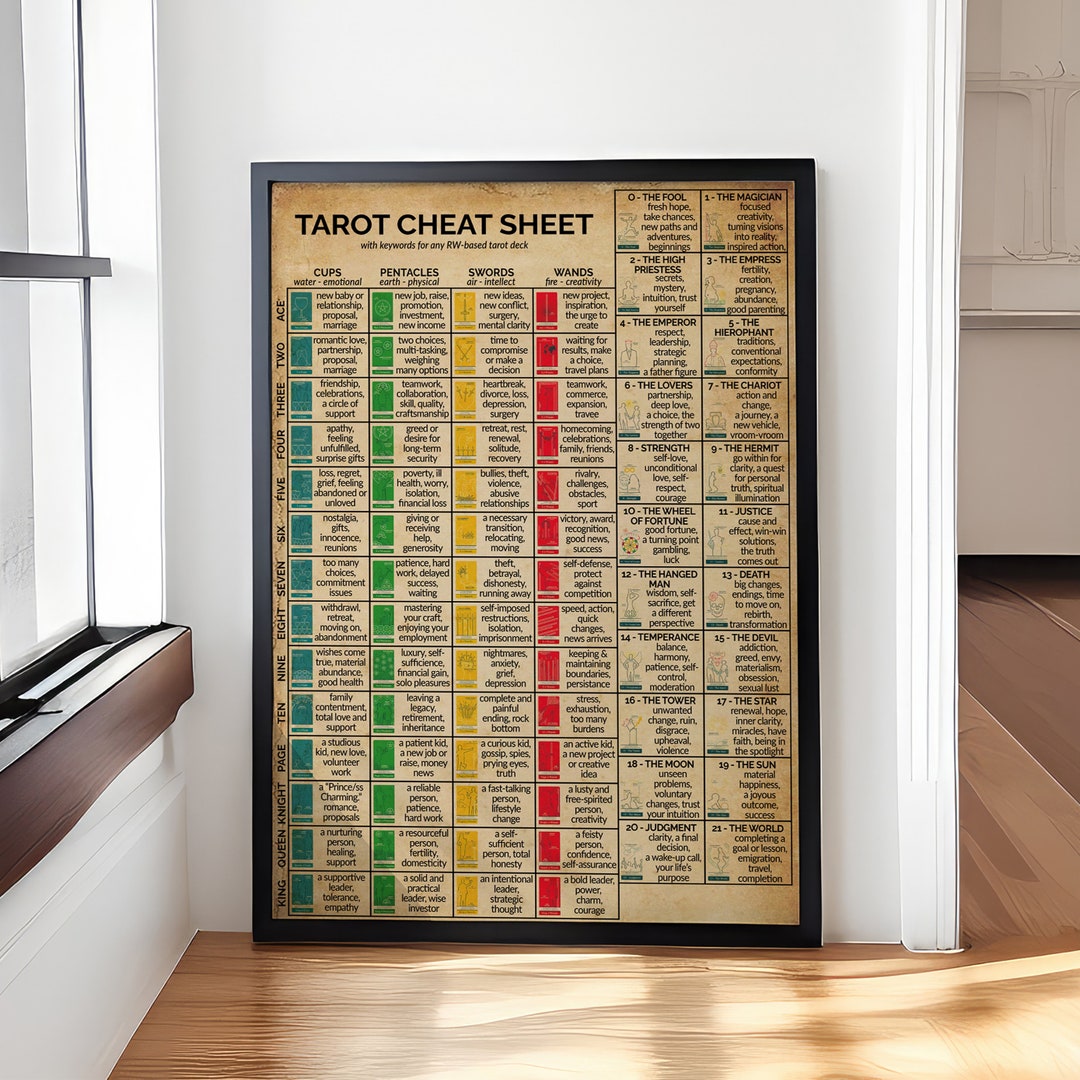
The Fool (0) – The eternal wanderer, stepping off a cliff with a loyal dog by their side. This card embodies spontaneity, new beginnings, and the courage to leap into the unknown. It’s a reminder that life’s greatest adventures often start with a single, fearless step.
The Magician (I) – A figure with one hand pointing to the sky and the other to the earth, surrounded by tools of creation. The Magician is the alchemist of your life, teaching you to harness your skills, manifest dreams, and turn ideas into reality.
The High Priestess (II) – Veiled in mystery, seated between two pillars, one black and one white. She represents intuition, hidden knowledge, and the subconscious mind. When she appears, trust your inner voice—it knows more than you think.
The Lovers (VI) – More than just romance, this card symbolizes harmony, choices, and alignment with your true self. It’s about finding balance between heart and mind, and embracing the duality within you.
Death (XIII) – Often misunderstood, this card signifies transformation, endings, and rebirth. It’s not about literal death, but the shedding of old skins—whether habits, relationships, or outdated beliefs—to make way for renewal.
The World (XXI) – A dancing figure encircled by a laurel wreath, symbolizing completion, fulfillment, and wholeness. This card marks the end of a cycle and the joy of achieving your goals, wrapped in a sense of cosmic accomplishment.
The Minor Arcana: The Tapestry of Everyday Life
While the Major Arcana tells the grand story, the Minor Arcana—56 cards divided into four suits—focuses on the nuances of daily existence. These cards reflect the ebb and flow of emotions, challenges, and triumphs we encounter regularly. Each suit is associated with an element and a facet of human experience, offering a lens to interpret life’s ordinary and extraordinary moments.
Wands: The Spark of Passion and Ambition

Linked to the element of fire, Wands represent creativity, inspiration, and the drive to pursue your passions. These cards often appear when you’re brimming with ideas or feeling the fire of motivation. From the Ace of Wands (a hand holding a wand sprouting leaves) symbolizing new opportunities to the Ten of Wands (a figure burdened by ten wands), this suit teaches you about ambition, burnout, and the balance between effort and release.
Cups: The Ocean of Emotions and Relationships
Cups are tied to water, the element of emotions, intuition, and connections. This suit delves into love, joy, heartbreak, and the depths of the human heart. The Ace of Cups, depicting a hand pouring water from a golden chalice, signifies emotional fulfillment and new beginnings in love or creativity. Meanwhile, the Five of Cups, showing a figure staring at three spilled cups, reminds you to acknowledge your sorrows but not let them overshadow the blessings still present.
Swords: The Blade of Intellect and Conflict
Swords, associated with air, cut through illusion with clarity and precision. These cards often highlight mental challenges, decisions, and the power of words. The Ace of Swords, a hand gripping a sword with a crown above it, represents breakthroughs and sharp insight. The Three of Swords, however, shows a heart pierced by three swords, symbolizing heartache or betrayal—but also the healing that follows.
Pentacles: The Roots of Stability and Prosperity
Pentacles, tied to the element of earth, ground us in reality. They reflect finances, work, health, and the tangible aspects of life. The Ace of Pentacles, a hand offering a single coin, heralds new opportunities in wealth or career. The Ten of Pentacles, depicting a family gathered under an archway, celebrates legacy, abundance, and the rewards of hard work.
Court Cards: The Characters in Your Life Story
The 16 court cards—Page, Knight, Queen, and King of each suit—are the actors in your tarot narrative. They represent people, personality traits, or even situations you might encounter. A Page could signal a student or a message, while a Queen embodies nurturing energy or a mentor. These cards add depth, showing how different energies interact within your life’s drama.
Reading the Cards: How to Interpret with Intuition
Tarot is as much about intuition as it is about memorization. While understanding traditional meanings is crucial, let your gut guide you. Notice the imagery, colors, and symbols that resonate with you. Ask open-ended questions and observe which cards repeatedly appear—they’re likely holding a message tailored just for you.
Position matters too. In a spread, the card’s placement (past, present, future, or a specific challenge) shifts its meaning. A reversed card isn’t necessarily negative; it can indicate blocked energy, internal reflection, or a need to slow down. Trust the process and allow the cards to speak in their own language.
Common Misconceptions and How to Avoid Them
Tarot is shrouded in myths—some believe it’s evil, others think it predicts the future with absolute certainty. In reality, tarot is a tool for self-reflection and guidance. It doesn’t control your fate but helps you navigate it with greater awareness. Another misconception is that you need psychic abilities to read tarot. While intuition plays a role, anyone can learn with practice, patience, and an open mind.
Conclusion
Tarot is a living, breathing art form that mirrors the complexities of life. From the sweeping narratives of the Major Arcana to the intimate details of the Minor Arcana, each card is a piece of a larger puzzle—one that reflects your journey, challenges, and triumphs. Whether you use tarot for divination, meditation, or creative inspiration, remember that its true power lies in its ability to help you see yourself and your path with clarity and courage.
FAQ
What does the Death card signify?
The Death card represents transformation, endings, and rebirth rather than literal death.
Can anyone learn to read tarot?
Yes, anyone can learn to read tarot with practice, patience, and an open mind.
Leave a Reply