Short Answer
Welcome to your comprehensive guide on the Suit of Swords in tarot! If you’ve ever drawn a card from this suit and felt a shiver down your spine—or maybe a sudden urge to question everything—you’re not alone. The Swords are the tarot’s sharpest suit, slicing through illusions, exposing truths, and sometimes leaving you with more questions than answers. But what do these cards really mean? How do they challenge us, and what wisdom can they offer? By the end of this guide, you’ll understand the dual nature of the Swords: their power to enlighten and their potential to wound. You’ll learn how to interpret their messages, navigate their challenges, and even wield their energy to your advantage. Ready to sharpen your mind? Let’s dive in.
The Swords Suit: The Mind’s Razor
The Suit of Swords is the tarot’s intellectual powerhouse, representing the realm of thoughts, words, decisions, and conflicts. Unlike the grounded energy of Pentacles or the emotional depth of Cups, the Swords operate in the airy, sometimes turbulent space of the mind. They govern logic, communication, and the choices we make when our intellect takes the lead. But here’s the twist: while the Swords can illuminate the path forward, they can also cut deep. This suit is where truth meets confrontation, where clarity can feel like a blade, and where the mind’s sharpness can either liberate or isolate you.
Imagine the Swords as a double-edged sword (pun intended). On one side, they offer the gift of discernment—the ability to see through deception, to analyze situations with precision, and to communicate with honesty. On the other side, they can bring the pain of harsh realities, overthinking, or even verbal battles. The Swords don’t sugarcoat; they reveal. And sometimes, what they reveal isn’t pretty. This suit asks you to confront your own mind’s tendencies: Are you using your intellect to solve problems, or are you trapped in a cycle of overanalysis? Are your words empowering or cutting? The Swords demand self-awareness—and that’s where their magic (and their challenge) lies.
The Symbolism of the Swords: What Do They Represent?
The imagery of the Swords is rich with symbolism, each element carrying a layer of meaning. At the most basic level, the swords themselves are tools of division—they separate truth from lies, fact from fiction, and action from hesitation. A single sword often represents a single-minded focus, clarity in decision-making, or the power of a decisive choice. When multiple swords appear, they can symbolize conflict, mental overload, or the need to cut away what no longer serves you.
Look closely at the cards in the Swords suit, and you’ll notice recurring motifs:
- Clouds and Storms: Many Swords cards feature stormy skies or turbulent weather, reflecting the emotional turmoil that can accompany intellectual struggles. The mind, when overactive, can feel like a tempest.
- Broken Swords: In some cards, swords are shattered or crossed, symbolizing defeat, stalemates, or the need to lay down arms—literally or metaphorically. This can indicate a moment to surrender control and trust the process.
- Hands Holding Swords: When a figure is depicted holding a sword, it often represents the power of choice, the responsibility of wielding truth, or the burden of knowledge. Are you holding your truth with integrity, or is it weighing you down?
- Crowns and Heads: The Swords are closely tied to the mind, so it’s no surprise that crowns (symbols of authority) or severed heads (a dramatic representation of ideas) appear in some cards. This highlights the suit’s connection to power, authority, and the consequences of our thoughts.
These symbols aren’t just decorative—they’re invitations to reflect. The Swords ask you to examine how you use your mind, your words, and your power. Are you a warrior of truth, or are you wielding your intellect like a weapon against yourself or others?
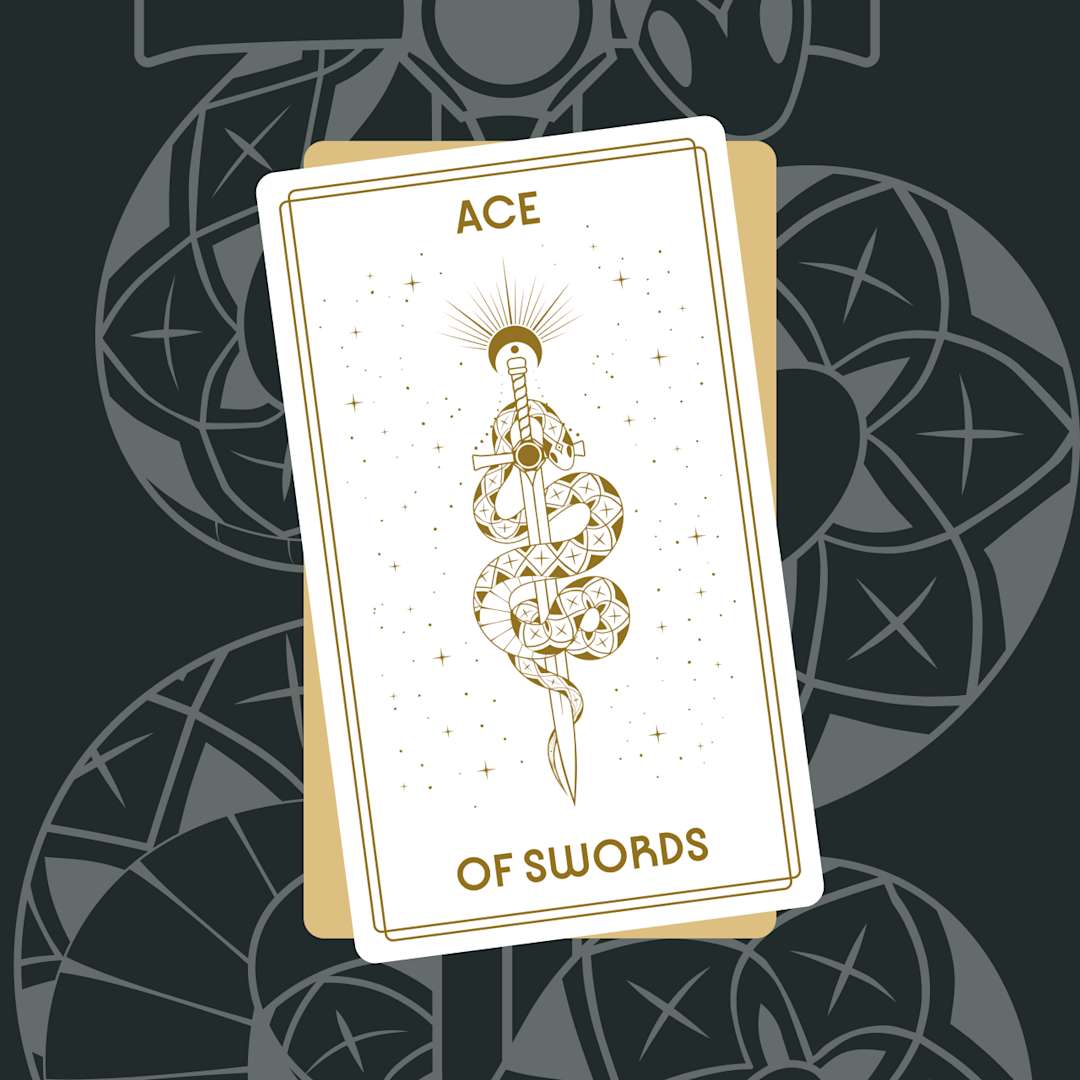
The Ace of Swords, for example, is a card of raw potential—a single sword emerging from a cloud, often crowned with a laurel wreath. It’s the spark of a new idea, a moment of breakthrough, or the clarity you’ve been seeking. But even this “positive” card carries a challenge: the sword’s edge is sharp. Will you use this clarity to cut through confusion, or will you let it cut you with doubt?
The Dual Nature of the Swords: Truth vs. Pain
The Suit of Swords is uniquely dualistic. It doesn’t shy away from the messy, painful, or uncomfortable truths—it embraces them. This duality is what makes the Swords so powerful and, at times, so difficult to navigate. On one hand, the Swords can:
- Reveal hidden truths that set you free.
- Empower you to make decisive choices with confidence.
- Help you communicate your needs and boundaries clearly.
- Guide you through intellectual challenges or creative breakthroughs.
On the other hand, they can:
- Expose vulnerabilities or harsh realities you’d rather avoid.
- Lead to overthinking, anxiety, or mental paralysis.
- Create conflict in relationships through words or unspoken judgments.
- Leave you feeling isolated or misunderstood by those who don’t share your perspective.
The key to working with the Swords is balance. Their energy isn’t “good” or “bad”—it’s a mirror. If you’re drawing Swords cards frequently, ask yourself: Am I using my mind to grow, or am I trapped in a cycle of self-criticism or conflict? The Swords don’t judge; they reflect. Your job is to decide how to respond.
How to Interpret Swords Cards in a Reading
When a Swords card appears in a tarot reading, it’s rarely neutral. It’s an invitation to pause and reflect on the role of your intellect, your words, and your choices in the situation at hand. Here’s how to interpret them:
1. Pay Attention to the Card’s Position
In a spread, the position of the Swords card can shift its meaning. For example:
- Past: The Swords here may indicate a past decision, conversation, or mental state that’s still influencing you. Have you been holding onto a grudge, a regret, or an unresolved thought?
- Present: This card often highlights a current challenge or opportunity related to communication, conflict, or clarity. Are you in a moment of decision, or are you avoiding a tough conversation?
- Future: The Swords can signal a need for preparation. Will you face a mental challenge, a confrontation, or a moment of truth soon? Use this insight to plan ahead.
2. Consider the Card’s Imagery
Each Swords card has unique imagery that adds depth to its meaning. For instance:
- Two of Swords: A blindfolded figure holding two crossed swords. This card represents indecision, stalemate, or the need to see both sides of a situation before making a choice.
- Five of Swords: A figure standing over three fallen swords, looking smug. This card warns of conflict, betrayal, or winning at someone else’s expense. It’s a reminder to consider the cost of your actions.
- Eight of Swords: A figure trapped in a circle of swords, blindfolded. This card often reflects feeling trapped by your own thoughts or limitations. The challenge? Remove the blindfold and see the way out.
3. Ask Yourself the Right Questions
The Swords thrive on introspection. When you draw one, ask:
- What truth am I avoiding?
- Am I using my words to build or destroy?
- Where do I need to cut ties or set boundaries?
- Is my mind serving me, or am I its prisoner?
Your answers will guide you toward the card’s deeper message.
Navigating the Challenges of the Swords
The Suit of Swords isn’t for the faint of heart. It demands honesty, courage, and a willingness to face discomfort. Here’s how to navigate its challenges:
1. Overcoming Overthinking
The Swords can turn your mind into a hamster wheel of “what-ifs” and “should-haves.” To quiet the noise:
- Set a time limit for decision-making. Give yourself a deadline to avoid analysis paralysis.
- Write down your thoughts to externalize them. Sometimes, seeing your worries on paper makes them feel less overwhelming.
- Practice mindfulness or meditation to ground yourself in the present moment.
2. Handling Conflict
Swords cards often signal tension—whether in relationships, at work, or within yourself. To navigate conflict:
- Choose your words carefully. The Swords remind you that words have power; use them to heal, not to harm.
- Seek compromise. The Five of Swords warns against “winning” at all costs—sometimes, the real victory is peace.
- Ask yourself: Is this conflict necessary, or am I creating drama where there doesn’t need to be any?
3. Embracing Truth (Even When It Hurts)
The Swords don’t lie, and they won’t let you hide from the truth. To work with this energy:
- Be honest with yourself first. What’s a truth you’ve been avoiding? Acknowledge it, then decide how to move forward.
- Use the Swords’ clarity to make decisions, not to punish yourself or others.
- Remember: Truth is a tool, not a weapon. Wield it with compassion.
Conclusion
The Suit of Swords is the tarot’s most intellectually demanding and emotionally charged suit. It’s where truth meets pain, where clarity can feel like a blade, and where the mind’s power is both a gift and a challenge. But here’s the beautiful paradox: the Swords don’t just cut—they also illuminate. They reveal what’s hidden, guide you through tough decisions, and push you to grow. The key is to meet their energy with awareness and intention. Are you using your intellect to create or to destroy? To connect or to isolate? To solve problems or to dwell in them?
Next time a Swords card appears in your reading, take a deep breath. The truth it brings might sting, but it’s also an opportunity—a chance to sharpen your mind, refine your choices, and step into a clearer, more empowered version of yourself. The Swords don’t just ask questions; they challenge you to answer them honestly. And in that honesty, you’ll find the strength to wield their power wisely.
FAQ
What do Swords mean in tarot?
Swords represent the realm of thoughts, words, decisions, and conflicts, often revealing harsh truths and promoting self-awareness.
How can I interpret Swords cards in a reading?
Consider the card’s position, its imagery, and ask introspective questions to uncover deeper meanings.
Leave a Reply