Short Answer
Tarot card positions are the foundation of any meaningful reading. Whether you’re pulling a single card or laying out a complex spread, the placement of each card influences its interpretation. This guide explores why card positions matter, how they shape meaning, and how they can reveal deeper insights into your life. By understanding these nuances, you’ll gain clarity, uncover hidden patterns, and experience a shift in perspective that only tarot can provide.
The Role of Tarot Card Positions in Readings
Tarot card positions act as a framework for interpretation. Each position in a spread represents a specific aspect of a question or situation, such as past influences, present challenges, or future outcomes. Without defined positions, a reading would lack structure, making it difficult to derive meaningful insights. For example, a card in the “past” position may reveal unresolved issues, while the same card in the “future” position could indicate potential growth or change. The position gives the card context, allowing the reader to weave a cohesive narrative from seemingly random symbols.
Positions also help the querent (the person receiving the reading) focus their energy on particular areas of their life. A well-designed spread, like the Celtic Cross or a simple three-card layout, guides the reader’s attention to key themes. This intentionality transforms a tarot reading from a vague prediction into a targeted exploration of life’s complexities.
How Card Placement Influences Meaning
The meaning of a tarot card can shift dramatically depending on its position in a spread. For instance, the Eight of Cups typically signifies walking away from something unfulfilling, but in the “advice” position of a spread, it might suggest that the querent needs to release a toxic relationship. Conversely, the same card in the “outcome” position could indicate a positive transformation after letting go. This fluidity is what makes tarot so powerful—it adapts to the nuances of each reading.
Positions can also highlight contradictions or hidden truths. A card that seems positive in one position might reveal its shadow side in another. For example, the Three of Pentacles often represents teamwork and collaboration, but in a “challenge” position, it could point to miscommunication or unmet expectations in a group setting. By examining the card’s placement, the reader can uncover layers of meaning that might otherwise go unnoticed.
Common Tarot Spreads and Their Positional Meanings
Different spreads use positions to explore various aspects of a question. Here are some of the most popular layouts and how their positions shape interpretation:
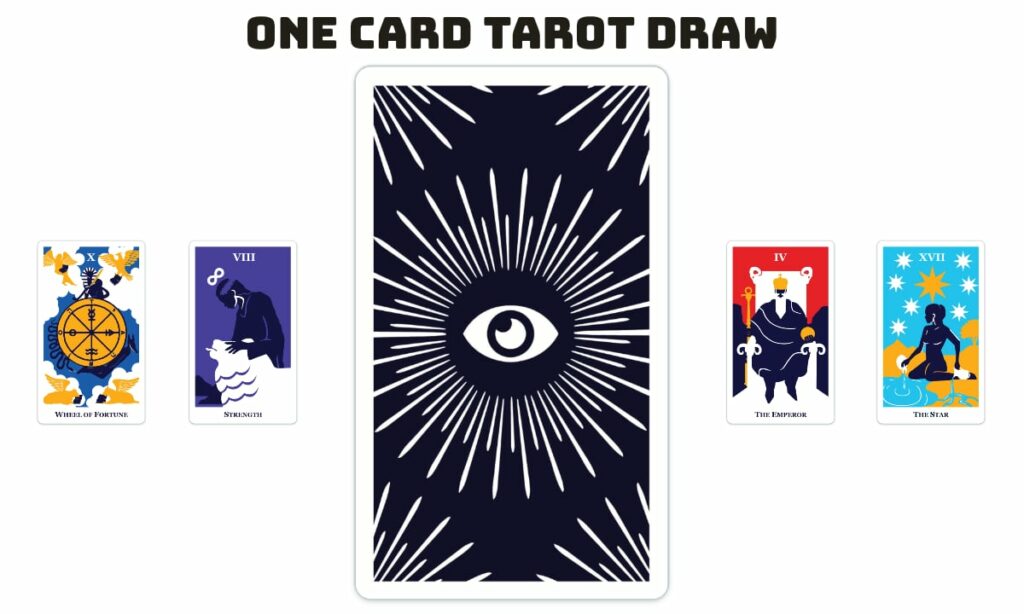
- Single-Card Spread: The card’s position is implied—it represents the present moment or immediate guidance. This is ideal for quick insights or daily draws.
- Three-Card Spread (Past, Present, Future): Each position offers a timeline, helping the querent understand how past events influence their current situation and potential future outcomes.
- Celtic Cross: This 10-card spread uses positions like “subconscious influences,” “challenges,” and “external influences” to provide a comprehensive view of a situation. The positions work together to create a dynamic narrative.
- Relationship Spread: Positions such as “you,” “them,” and “the connection” highlight individual dynamics and how they interact, revealing strengths and areas for growth.
Each spread’s positional structure is designed to address specific questions, whether it’s about love, career, or personal growth. The positions act as a roadmap, ensuring that the reading stays focused and insightful.
Why Position Matters More Than the Card Itself
While the imagery and symbolism of a tarot card are important, its position often carries more weight in a reading. A card’s traditional meaning provides a starting point, but the position refines and contextualizes that meaning. For example, the Death card is frequently misunderstood as a literal end, but in the “transformation” position, it can signal a necessary rebirth or change. The position clarifies the card’s role in the querent’s journey.
Positions also help the reader avoid overgeneralizing. Without them, a reading might rely too heavily on the card’s surface-level meaning, missing the deeper message. For instance, the Five of Swords could indicate conflict, but in the “hidden opportunity” position, it might suggest that a challenging situation is leading to a valuable lesson. The position acts as a lens, focusing the reader’s attention on the most relevant aspects of the card.
Practical Tips for Working with Tarot Positions
To make the most of tarot positions, consider the following strategies:
- Define Your Spread Clearly: Before drawing cards, decide on the positions and their meanings. This ensures consistency and clarity in your interpretation.
- Trust Your Intuition: While traditional meanings are helpful, your intuition plays a crucial role in understanding how a card’s position interacts with the querent’s question. Pay attention to subtle impressions or emotions that arise.
- Journal Your Readings: Documenting spreads and their outcomes helps you recognize patterns over time. You’ll start to see how certain cards behave in specific positions, deepening your understanding of the deck.
- Experiment with Different Spreads: Don’t limit yourself to one layout. Try spreads with varying numbers of positions to explore different angles of a question.
- Ask Open-Ended Questions: The more specific your question, the more meaningful the positions will be. Vague questions lead to vague positions, while focused inquiries yield clearer insights.
Conclusion
Tarot card positions are the backbone of a meaningful reading. They provide structure, context, and depth, transforming a simple card draw into a powerful tool for self-discovery. By understanding how placement influences meaning, you can unlock hidden layers of insight and gain a fresh perspective on life’s challenges and opportunities. Whether you’re a seasoned reader or a curious beginner, paying attention to positions will elevate your tarot practice and deepen your connection to the cards. Embrace the curiosity that tarot inspires, and let the positions guide you toward clarity and transformation.
FAQ
Why do tarot card positions matter?
Tarot card positions provide context and structure to readings, influencing the interpretation of each card based on its placement.
What are some common tarot spreads?
Common tarot spreads include the Single-Card Spread, Three-Card Spread, Celtic Cross, and Relationship Spread, each designed to explore different aspects of a question.
How can I improve my tarot readings?
Define your spread clearly, trust your intuition, journal your readings, experiment with different spreads, and ask open-ended questions.
Leave a Reply