Short Answer
Welcome to a journey where art, mysticism, and nature intertwine to create one of the most enchanting destinations in Italy. In this guide, you’ll explore the captivating world of the Tarot Garden, a surreal sculpture park in Tuscany that blends esoteric symbolism with breathtaking beauty. You’ll discover the garden’s origins, its artistic vision, and why it continues to fascinate visitors from around the globe. Whether you’re a lover of art, a seeker of spiritual insight, or simply a traveler in search of wonder, this guide will illuminate the magic behind this extraordinary place.
The Tarot Garden: A Living Metaphor of the Human Soul
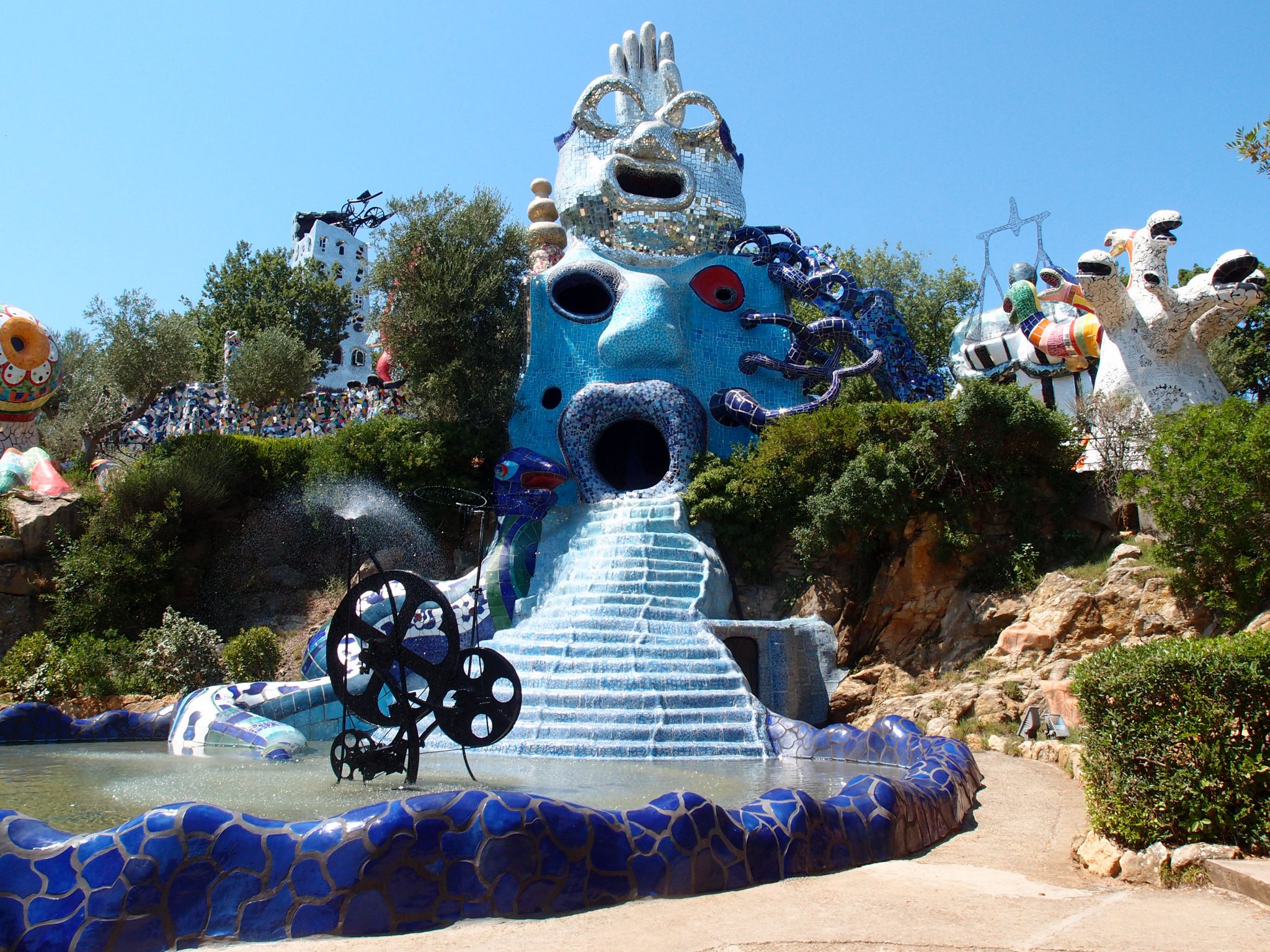
The Tarot Garden, or Giardino dei Tarocchi in Italian, is a sprawling outdoor museum dedicated to the 22 Major Arcana cards of the Tarot deck. Created by French-American artist Niki de Saint Phalle, the garden is a physical manifestation of the Tarot’s allegorical journey—a path of self-discovery, transformation, and enlightenment. Each sculpture, towering over the landscape, represents a card from the deck, from The Fool to The World, embodying themes of life, death, love, and rebirth.
What makes the garden so compelling is its ability to translate abstract Tarot symbolism into tangible, immersive art. The sculptures are not mere replicas of the cards but rather dynamic, three-dimensional interpretations that invite visitors to walk through the narrative of the Tarot itself. The garden becomes a metaphor for the human experience, where every turn reveals a new layer of meaning, much like the layers of a Tarot reading.

The Visionary Behind the Garden: Niki de Saint Phalle
Niki de Saint Phalle, the artist behind the Tarot Garden, was a pioneering figure in the world of contemporary art. Known for her bold, colorful, and often provocative works, Saint Phalle drew inspiration from her fascination with Tarot, mythology, and the human condition. Her vision for the garden began in 1979 when she purchased the land in Tuscany, a place she described as “a dream come true.” Over the next two decades, she transformed the rocky, barren terrain into a lush, vibrant sanctuary filled with her signature “Nanas”—plump, joyful female figures—and towering Tarot sculptures.
Saint Phalle’s work was deeply personal. She saw the Tarot Garden as a gift to humanity, a place where people could connect with their inner selves and the mysteries of existence. Her use of mosaics, ceramics, and found objects reflects her belief in art as a healing force. The garden is not just a collection of sculptures; it’s a living testament to her creative spirit and her desire to merge art with the natural world.
:max_bytes(150000):strip_icc()/TAL-niki-de-saint-phalle-tarot-garden-TAROTGARDEN0323-9f19c99614ff4f5380ab43ab01f246f9.jpg)
Exploring the Major Arcana: A Guided Tour of the Sculptures
The Tarot Garden is divided into sections, each dedicated to a Major Arcana card. As you wander through the garden, you’ll encounter these iconic figures in a way that feels both familiar and entirely new. Here’s a closer look at some of the most striking sculptures:
- The Empress (La Papessa): A regal, throne-like figure adorned with mosaics, symbolizing fertility, abundance, and the nurturing aspects of nature. Her form is both maternal and majestic, embodying the creative power of the divine feminine.
- The Tower (La Torre): A dramatic, jagged structure representing sudden change and upheaval. Its cracked facade and exposed interior reflect the raw, transformative energy of destruction and rebirth.
- The Star (La Stella):
- The Moon (La Luna): A haunting, crescent-shaped figure with a serene yet mysterious expression. Its undulating form and reflective surfaces play with light and shadow, embodying the duality of intuition and illusion.
- The World (Il Mondo): The final card in the Tarot deck, represented by a dancing figure encircled by a wreath. This sculpture celebrates completion, wholeness, and the cyclical nature of life.
A luminous, star-shaped sculpture surrounded by a pool of water, evoking the hope and guidance of the night sky. Its mosaic tiles shimmer in the sunlight, creating a sense of tranquility and inspiration.
Each sculpture is a masterpiece in its own right, but together, they form a cohesive narrative that mirrors the journey of the Tarot. The garden encourages visitors to reflect on their own lives, drawing parallels between the cards and their personal experiences.
The Garden’s Unique Appeal: Why It Captivates the Imagination
The Tarot Garden is more than just an art installation; it’s an experience that engages all the senses. The vibrant mosaics, the scent of Mediterranean herbs, the sound of rustling leaves, and the play of light and shadow all contribute to its enchanting atmosphere. Unlike traditional museums, the garden invites interaction—visitors are encouraged to touch the sculptures, sit among them, and even climb inside some of the larger structures.
What sets the Tarot Garden apart is its ability to evoke a sense of wonder and introspection. The sculptures are not static; they seem to breathe with life, their colors shifting with the sunlight and their forms inviting contemplation. For those who are familiar with the Tarot, the garden offers a deeper understanding of the cards’ meanings. For those who are new to Tarot, it provides an accessible entry point into its rich symbolism.
The garden’s location in Tuscany adds to its allure. Nestled in the rolling hills of Garavicchio, near Pescia, the garden is surrounded by olive groves, cypress trees, and the occasional glimpse of the Mediterranean Sea in the distance. The contrast between the man-made art and the natural landscape creates a harmonious balance, reinforcing the garden’s themes of unity and interconnectedness.
Practical Information: Planning Your Visit
If you’re inspired to visit the Tarot Garden, here are some practical details to help you plan your trip:
- Location: The garden is located in Garavicchio, a small village in the province of Grosseto, Tuscany. The nearest major city is Rome, about 2.5 hours away by car.
- Opening Hours: The garden is typically open from April to October, with varying hours depending on the season. It’s best to check the official website for the most up-to-date information.
- Admission: Tickets can be purchased online or at the entrance. Prices are reasonable, and discounts are often available for students, seniors, and children.
- Accessibility: The garden is spread over a large area with uneven terrain, so comfortable shoes are recommended. Some areas may be challenging for those with mobility issues.
- Nearby Attractions: Consider combining your visit with a trip to other Tuscan gems, such as the historic city of Siena, the thermal baths of Saturnia, or the coastal town of Orbetello.
Conclusion: A Sanctuary of Art and Spirituality
The Tarot Garden is a testament to the power of art to inspire, heal, and transform. It’s a place where the esoteric meets the tangible, where ancient symbolism is brought to life in vibrant mosaics and towering sculptures. Whether you come as an art enthusiast, a spiritual seeker, or simply a curious traveler, the garden offers something profound—a chance to step into the world of the Tarot and emerge with a deeper understanding of yourself and the universe.
As you wander through the garden, take your time. Let the sculptures speak to you. Reflect on the journey they represent, from The Fool’s innocence to The World’s completion. And remember, like the Tarot itself, the garden is a mirror—it reflects not just the cards, but the soul of those who walk its paths.
FAQ
What is the Tarot Garden?
The Tarot Garden is a sculpture park in Tuscany that represents the 22 Major Arcana cards of the Tarot deck through art created by Niki de Saint Phalle.
When is the Tarot Garden open?
The Tarot Garden is typically open from April to October, with varying hours based on the season.
How can I get to the Tarot Garden?
The garden is located in Garavicchio, Tuscany, about 2.5 hours from Rome by car.
Leave a Reply