Short Answer
Have you ever drawn a tarot card and realized it was upside down? Many readers pause at this moment, wondering if the card’s reversed position holds a special meaning. This guide explores the significance of upside-down tarot cards, why they fascinate so many, and how to interpret their hidden messages. Whether you’re a seasoned reader or a curious beginner, understanding reversed cards can deepen your tarot practice and reveal layers of insight you might otherwise overlook.
Why Tarot Cards Appear Upside Down
Tarot cards are often shuffled randomly, and their orientation when drawn is largely a matter of chance. However, the position of a card—whether upright or reversed—can influence its interpretation. Some readers believe that an upside-down card is simply a reflection of the card’s energy being blocked or internalized, while others see it as a sign to explore the card’s shadow side. The fascination with reversed cards stems from their ability to add complexity to a reading, offering a nuance that upright cards alone might not provide.
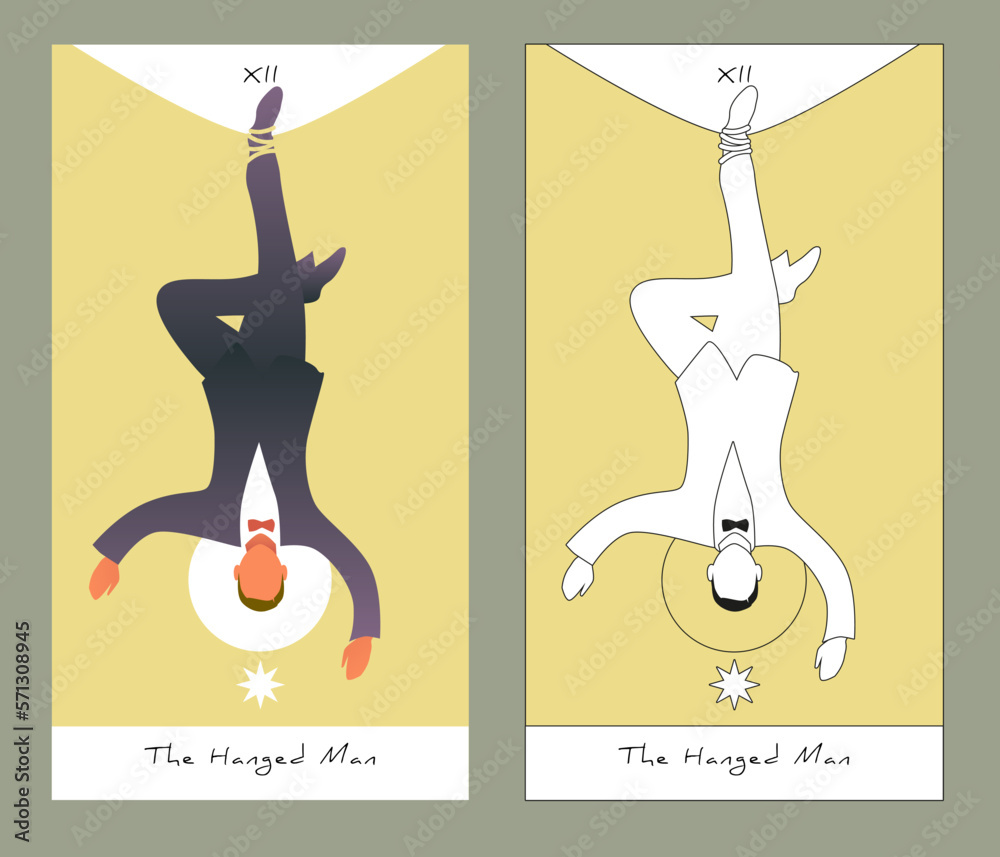
For example, the Hanged Man in an upright position often symbolizes surrender and new perspectives. When reversed, it may suggest resistance to change or feeling stuck. This duality is what makes tarot so compelling—it mirrors the dualities of life itself. The randomness of a card’s orientation also reminds us that life’s outcomes aren’t always straightforward, and sometimes, the unexpected holds the most valuable lessons.
The History and Symbolism Behind Reversed Tarot Cards
The concept of reversed tarot cards isn’t a modern invention. Early tarot decks, such as the Rider-Waite-Smith deck, were designed with intricate imagery that lends itself to multiple interpretations based on orientation. The symbolism in tarot is deeply rooted in archetypes, mythology, and esoteric traditions, where duality plays a central role. For instance, the Moon card upright represents intuition and illusion, while reversed, it might indicate confusion or repressed emotions.
Historically, tarot was used not just for divination but also as a tool for psychological and spiritual exploration. Carl Jung, the Swiss psychiatrist, saw tarot as a way to access the collective unconscious, where symbols and archetypes resonate universally. The idea of reversed cards aligns with Jung’s concept of the shadow self—the aspects of our personality we suppress or deny. When a card appears upside down, it may be inviting us to confront these hidden parts of ourselves.
How to Interpret Upside-Down Tarot Cards
Interpreting reversed tarot cards requires a blend of intuition and traditional meanings. Here’s a step-by-step approach to understanding them:
- Traditional Reversed Meanings: Many tarot guides provide specific interpretations for reversed cards. For example, the Three of Cups reversed might suggest gossip or overindulgence, while upright it represents celebration and friendship. These meanings can serve as a starting point, but they shouldn’t be taken as absolute.
- Intuitive Approach: Trust your gut feeling when a card appears reversed. Ask yourself what emotions or thoughts arise when you see it upside down. Sometimes, the reversed position highlights a personal struggle or a lesson you’re currently facing.
- Context Matters: Always consider the card’s position in the spread. A reversed card in a past position might indicate unresolved issues, while in a future position, it could signal a challenge to overcome. The surrounding cards can also provide clues about whether the reversal is positive or negative.
- Card-Specific Nuances: Some cards have more dramatic shifts in meaning when reversed. The Tower, for example, upright signifies sudden upheaval, while reversed might suggest avoiding necessary change or delaying an inevitable breakdown. Pay attention to these subtleties.
Common Misconceptions About Reversed Tarot Cards
Despite their popularity, reversed tarot cards are often misunderstood. One common misconception is that they always indicate a negative outcome. In reality, a reversed card can highlight an area where you’re already making progress or where a challenge is being addressed internally. For example, the Strength card reversed might suggest you’re learning to control your emotions, which is a positive step toward mastery.
Another myth is that reversed cards are less important than upright ones. On the contrary, they can be just as insightful, if not more so. They often bring attention to subconscious patterns or areas needing growth. Additionally, some readers avoid using reversed cards altogether, believing they complicate the reading. However, omitting them might result in missing key messages that could provide clarity or guidance.
Practical Tips for Working with Reversed Tarot Cards
If you’re new to reversed tarot cards, here are some practical tips to incorporate them into your practice:
- Use a Clarifying Question: When a card appears reversed, ask a clarifying question like, “What lesson is this card trying to teach me?” or “How can I address the energy of this card?” This helps shift the focus from a purely negative interpretation to one of growth.
- Experiment with Different Spreads: Try spreads specifically designed for reversed cards, such as the Celtic Cross with a focus on challenges or the Past-Present-Future spread to track personal evolution. These can help you see how reversed cards fit into the bigger picture.
- Journal Your Readings: Keep a tarot journal to track reversed cards over time. Note the context of the reading, your initial reaction, and any insights that emerged. Over time, you’ll start to notice patterns in how reversed cards appear in your life.
- Combine with Other Divination Tools: Pair tarot with other tools like astrology or numerology to deepen your understanding. For example, if a reversed card appears during a Mercury retrograde, it might amplify its message about delays or miscommunication.
Why the Fascination with Upside-Down Tarot Cards Endures
The enduring fascination with reversed tarot cards lies in their ability to reflect the complexities of human experience. Life isn’t always black and white, and neither are tarot readings. Reversed cards remind us that challenges can be opportunities, and setbacks can lead to growth. They also tap into our innate curiosity about the unknown—what lies beneath the surface, what we’ve overlooked, or what we’re afraid to confront.
For many, the thrill of a reversed card is in the mystery it presents. It’s a moment of pause, a chance to dig deeper and ask, “What am I not seeing?” This reflective quality makes tarot a powerful tool for self-discovery, not just prediction. Whether you view reversed cards as omens, psychological mirrors, or simply a fun twist in your reading, they add a layer of depth that keeps the practice engaging and relevant.
Conclusion
Upside-down tarot cards are more than just a quirk of shuffling—they’re a gateway to deeper understanding. By embracing reversed cards, you open yourself to a richer, more nuanced interpretation of the tarot’s wisdom. Whether you rely on traditional meanings, intuitive insights, or a combination of both, reversed cards offer a chance to explore the hidden layers of your life’s journey. Next time you draw a card upside down, pause and ask what it’s trying to reveal. The answer might surprise you.
Leave a Reply