Short Answer
Welcome to a transformative exploration of mental conflict tarot cards, specifically designed to help you recognize when your brain is lying to you. In this guide, you’ll discover how these cards can serve as powerful tools for shifting perspectives, fostering self-awareness, and unlocking deeper insights into your thought patterns. Whether you’re new to tarot or a seasoned practitioner, this resource will illuminate the ways these cards can challenge cognitive distortions and guide you toward clarity. By the end, you’ll understand how to use these tarot cards not just as divination tools, but as catalysts for personal growth and emotional resilience.
Understanding Mental Conflict Tarot Cards
Mental conflict tarot cards are a specialized subset of tarot imagery and symbolism designed to reflect the internal battles we face when our minds distort reality. These cards often depict themes of confusion, self-doubt, and cognitive dissonance—common experiences when anxiety, depression, or stress clouds judgment. Unlike traditional tarot cards that focus on external events or future outcomes, mental conflict cards zero in on the psychological landscape, making them uniquely suited for introspection.
At their core, these cards act as mirrors, reflecting back the narratives your brain constructs—often unconsciously—to protect or mislead you. For example, a card titled “Your Brain is Lying to You” might show a figure with a fractured mirror, symbolizing distorted self-perception. By engaging with such imagery, you invite a pause in automatic thought processes, creating space to question whether your interpretations of events are based in truth or fear.
The Role of Perspective Shifts in Tarot
One of the most compelling promises of mental conflict tarot cards is their ability to facilitate perspective shifts. When you pull a card that resonates with a limiting belief or negative thought loop, you’re presented with an opportunity to reframe your understanding. For instance, if the card “The Brain Tarot Card” appears during a reading about self-worth, it might prompt you to consider whether your inner critic is exaggerating flaws or whether past experiences are skewing your present judgment.
These shifts aren’t about denial or toxic positivity; they’re about cognitive flexibility—the ability to see multiple angles of a situation. Tarot acts as a neutral third party, offering symbolic language that bypasses the brain’s resistance to direct confrontation. By externalizing your thoughts onto the cards, you create psychological distance, making it easier to challenge ingrained patterns without feeling attacked or overwhelmed.
Curiosity as a Gateway to Insight
Curiosity is the driving force behind meaningful tarot work, especially when dealing with mental conflict. Instead of approaching the cards with rigid expectations or a need for definitive answers, mental conflict tarot invites you to adopt a curious stance. Ask yourself: What is this card trying to show me about my thought process? or Where in my life am I believing a lie without questioning it? This open-ended inquiry prevents the tarot from becoming a tool of self-judgment and transforms it into a collaborative exploration.
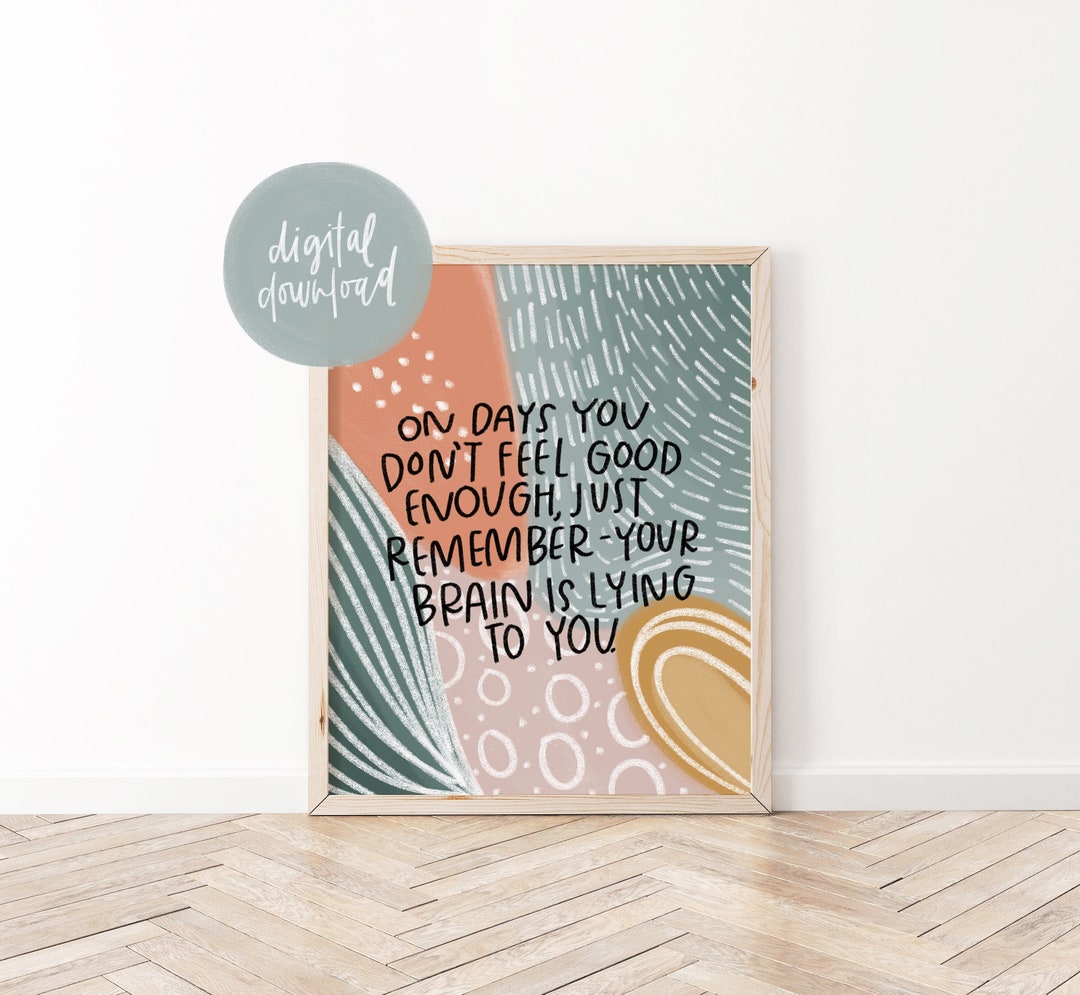
For example, the card “Mental Health Printable Art | Your Brain is Lying to You Print” might depict a tangled web of thoughts. Rather than interpreting this as a sign of failure, curiosity leads you to explore: What specific thoughts feel tangled right now? or How might my brain be simplifying a complex situation? This approach fosters a sense of agency, reminding you that your thoughts are not absolute truths but interpretations you can examine and reshape.
Practical Applications: How to Use These Cards
Incorporating mental conflict tarot cards into your routine can be as simple or as structured as you like. Start by selecting a card that resonates with a current challenge—perhaps one that reflects a recurring negative thought or emotional block. Place it somewhere visible, like a journal or desk, to serve as a daily reminder to pause and reflect. When you notice the thought arising, ask: Does this align with the card’s message? or What evidence contradicts this belief?
For deeper work, use the cards in a structured reading. Pull one card each morning to set an intention around challenging distorted thinking. Journal about how the card’s imagery and title relate to your day’s potential pitfalls. Alternatively, use them in evening reflections to review moments when you might have fallen into cognitive traps. Over time, this practice builds a habit of self-awareness, making it easier to catch and correct mental distortions in real time.
Breaking Down Cognitive Distortions with Tarot
Cognitive distortions are systematic errors in thinking that reinforce negative emotions and behaviors. Common examples include black-and-white thinking, catastrophizing, and personalization. Mental conflict tarot cards can help identify and dismantle these distortions by providing a visual and symbolic language to articulate what’s happening in your mind. For instance, a card titled “Your Brain is Lying” might highlight the distortion of mind-reading—assuming you know what others think about you without evidence.
To use the cards for this purpose, pull a card and ask: Which distortion does this remind me of? Then, write down a counter-thought that aligns with reality. For example, if the card suggests you’re catastrophizing, reframe the thought from “This will never work out” to “I don’t know the future, but I can handle challenges as they come.” This exercise bridges the symbolic and practical, turning tarot into a bridge between insight and action.
Cultivating Emotional Resilience Through Symbolism
The imagery in mental conflict tarot cards is intentionally evocative, designed to bypass the logical mind and speak directly to the subconscious. Symbols like broken mirrors, tangled threads, or shadowy figures represent the fragmentation and confusion that arise when our brains mislead us. By engaging with these symbols, you train your mind to recognize patterns of distortion and respond with compassion rather than judgment.
For example, a card showing a figure trapped in a labyrinth might symbolize feeling lost in overthinking. Instead of spiraling into self-criticism, you can use the card as a prompt to ask: What would it look like to step outside this labyrinth? or Where is the exit in this metaphorical maze? This symbolic interaction fosters emotional resilience by externalizing the problem and making it feel more manageable.
Conclusion
Mental conflict tarot cards offer more than just symbolic insights—they promise a shift in perspective and a renewed sense of curiosity about your own mind. By engaging with these cards, you create a dialogue between your conscious and subconscious, challenging the narratives that no longer serve you. Whether used for daily reflection, structured readings, or breaking down cognitive distortions, these cards act as a mirror and a guide, helping you see when your brain is lying and how to realign with truth.
Remember, the goal isn’t to eliminate all doubt or negative thoughts but to cultivate a relationship with your mind that prioritizes awareness and growth. As you integrate mental conflict tarot into your practice, you’ll likely find that the cards become less about predicting the future and more about understanding the present—your thoughts, your patterns, and your potential for change. Embrace the curiosity they inspire, and let them be a catalyst for the perspective shifts you seek.
FAQ
What are mental conflict tarot cards?
Mental conflict tarot cards are a specialized subset of tarot designed to reflect internal psychological battles, helping individuals recognize cognitive distortions and fostering self-awareness.
How can I use mental conflict tarot cards?
You can use mental conflict tarot cards by pulling one that resonates with a current challenge, journaling about its imagery, and reflecting on how it relates to your thoughts.
Leave a Reply