Short Answer
Embarking on your tarot journey can feel overwhelming at first—with 78 cards, each carrying layers of symbolism, history, and interpretation, it’s easy to wonder where to even begin. Many beginners start by feeling drawn to the cards but quickly get stuck trying to memorize meanings or decipher complex spreads. The truth is, tarot isn’t about rigid rules or instant mastery; it’s about connection, intuition, and gradual understanding. In this guide, you’ll discover a simplified approach to tarot card meanings, designed to help you build confidence without the overwhelm. You’ll learn how to interpret cards intuitively, recognize common patterns, and apply meanings in a way that feels authentic to you. Whether you’re exploring tarot for personal growth, spiritual curiosity, or creative inspiration, this guide will provide the foundation you need to start reading with clarity and ease.
Why Tarot Captivates Us: The Allure of Symbolism and Self-Reflection
Tarot’s enduring fascination lies in its ability to reflect the human experience back to us in vivid, symbolic language. Unlike other divination tools, tarot cards are rich with archetypal imagery—from the Fool’s leap into the unknown to the Ten of Swords marking an inevitable ending—each card acts as a mirror to our inner world. This visual storytelling taps into something primal: our need to make sense of life’s mysteries. When we hold a deck, we’re not just shuffling paper; we’re engaging with a centuries-old tradition that blends art, psychology, and spirituality. The cards don’t predict the future with certainty; instead, they highlight possibilities, challenges, and hidden aspects of ourselves we might overlook. This dual role—as both a tool for guidance and a catalyst for self-discovery—explains why tarot resonates so deeply across cultures and eras. For beginners, the key is to embrace this duality: use the cards as a conversation starter with your subconscious, not as a rigid script.
The Major Arcana: Your Life’s Big Picture
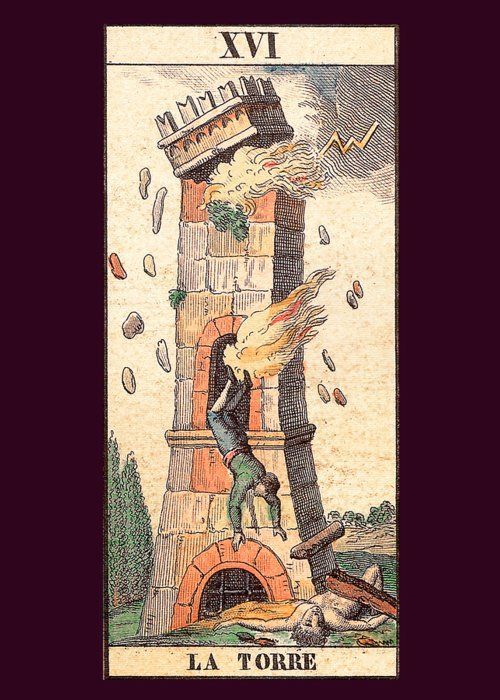
The Major Arcana consists of 22 cards, each representing a significant life lesson or spiritual milestone. These cards are the heart of tarot’s narrative, often appearing in readings to signal major themes or turning points. For example, The Magician embodies resourcefulness and action, while The High Priestess invites you to trust your intuition. A common beginner mistake is treating these cards as standalone predictions, but their power lies in their context. If The Lovers card appears in a career reading, it might suggest a choice between two paths rather than a literal romantic decision. To simplify, focus on the card’s core energy: Is it about beginnings (The Fool), transformation (Death), or revelation (The Tower)? Pair this with the surrounding cards to uncover the bigger story. Over time, you’ll start to see how the Major Arcana weaves a universal narrative—one that mirrors your own journey.
Minor Arcana: The Everyday Details of Life
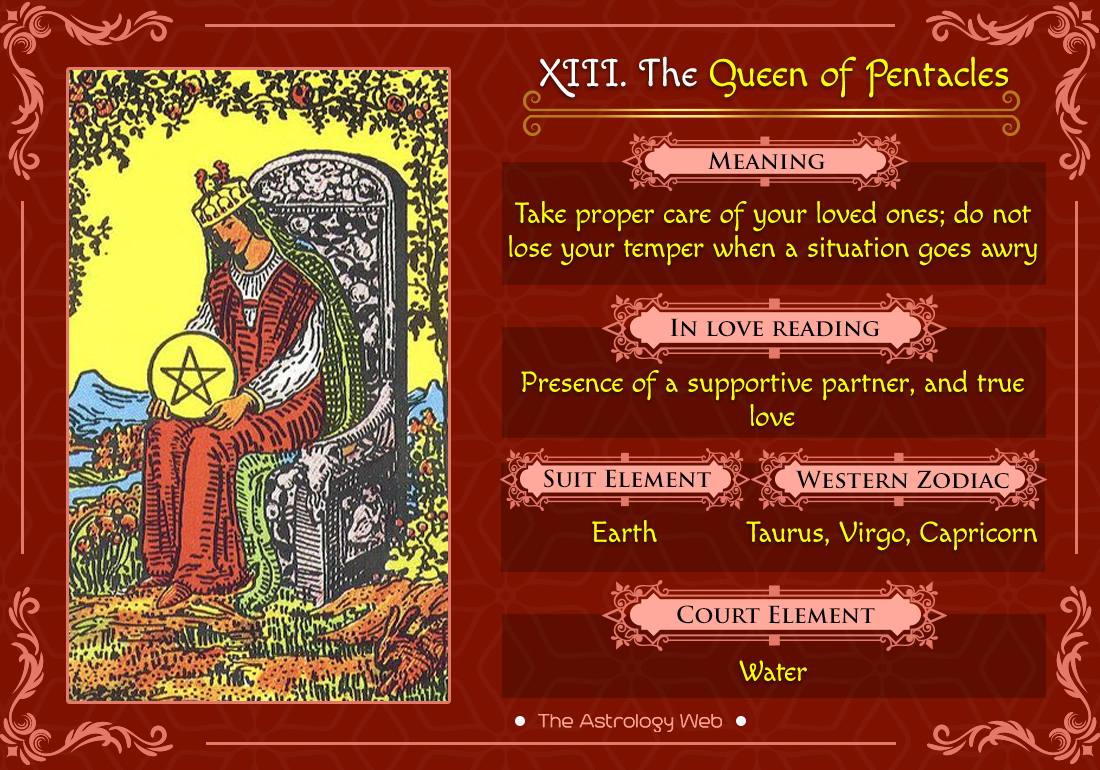
While the Major Arcana sets the stage, the Minor Arcana—56 cards divided into four suits (Cups, Pentacles, Swords, Wands)—fills in the details of daily life. Each suit corresponds to an element and a realm of experience: Cups govern emotions, Pentacles represent material matters, Swords deal with intellect, and Wands spark creativity. For instance, the Three of Cups celebrates joyful connections, while the Five of Pentacles highlights financial struggle. A practical way to learn the Minors is to associate them with real-life scenarios. When you draw the Eight of Wands, think of fast-moving events or sudden opportunities, much like a burst of inspiration or a travel plan coming together. Unlike the Majors, the Minors often reflect immediate situations, making them essential for practical readings. Start by memorizing key phrases for each card, then observe how they play out in your own life or in the lives of others.

Reversed Cards: Embracing the Shadow Side
Reversed cards—when a card appears upside down—often spark confusion or anxiety for beginners. Do they mean the opposite of the upright meaning? Not necessarily. Reversals typically highlight blocked energy, internal struggles, or a need for introspection. For example, the upright Three of Cups is about celebration, but reversed, it might reveal loneliness or a friendship that’s draining your energy. The key is to avoid labeling reversals as “bad”; instead, see them as invitations to explore what’s beneath the surface. Ask yourself: What part of this card’s energy feels out of balance in my life? This approach shifts reversals from a source of fear to a tool for deeper understanding. Over time, you’ll notice that reversed cards often bring the most profound insights, acting as a compass for personal growth.
Simple Spreads to Start Practicing
You don’t need complex spreads to begin reading tarot effectively. Start with a one-card pull to set a daily intention or a three-card spread (Past, Present, Future) to track a situation’s evolution. For example, pull a card to reflect on your day ahead, or use the Celtic Cross once you’re comfortable with the basics. The beauty of simple spreads is that they force you to focus on the cards’ core messages without getting lost in interpretation. As you practice, pay attention to recurring themes or cards—these often point to areas of your life that need attention. Remember, the goal isn’t perfection; it’s connection. Even if your readings feel vague at first, trust that clarity will come with time and repetition.

Trusting Your Intuition: The Secret to Personalized Readings
Tarot’s most powerful readings come from within, not from a guidebook. While traditional meanings provide a foundation, your intuition is the bridge between the cards and your unique perspective. For instance, if the Ten of Swords appears in a reading about a relationship, you might initially think of betrayal—but your gut might whisper, “This is about finally walking away.” To strengthen your intuitive muscle, try this exercise: Shuffle your deck while focusing on a question, then pull a card without looking. Note your immediate reaction before checking the guidebook. Over time, you’ll notice patterns in how you interpret cards, which will become your personal tarot language. The more you practice, the more the cards will feel like a dialogue rather than a puzzle to solve.
Common Pitfalls and How to Avoid Them
Beginners often fall into traps that can make tarot feel frustrating or confusing. One of the biggest is over-reliance on guidebooks, which can stifle your natural interpretation. Another is treating tarot as a fortune-telling tool rather than a reflection of subconscious patterns. To avoid these, remind yourself that tarot is a tool for empowerment, not prediction. If a reading feels ominous, ask: What is this card teaching me? What action can I take? Also, avoid reading for others until you’re comfortable with your own interpretations—your energy influences the cards, and it’s important to develop your style first. Lastly, don’t rush. Tarot is a practice, not a race. The more you engage with the cards without pressure, the more meaningful your connection will become.
Conclusion
Tarot doesn’t have to be complicated to be powerful. By focusing on the cards’ core energies, trusting your intuition, and approaching readings with curiosity rather than fear, you’ll find that tarot becomes a trusted companion on your journey. Start small—learn a few cards at a time, practice with simple spreads, and let the meanings unfold naturally. Remember, the fascination with tarot isn’t just about the cards themselves; it’s about the way they mirror our hopes, fears, and untapped potential. Whether you’re seeking clarity, inspiration, or a deeper connection to yourself, tarot offers a language to explore it all. The deck is waiting; all you have to do is begin.
FAQ
What are tarot cards?
Tarot cards are a deck of cards used for divination and self-reflection, each card carrying unique meanings and symbolism.
How do I start reading tarot?
Begin with understanding the cards’ meanings, practicing simple spreads, and trusting your intuition during readings.
FAQ
What is the purpose of tarot cards?
Tarot cards are used for guidance, self-reflection, and personal growth, helping individuals connect with their intuition.
How can beginners start reading tarot?
Beginners can start by learning a few card meanings, practicing simple spreads, and trusting their intuition for interpretations.
What are the Major and Minor Arcana?
The Major Arcana consists of 22 cards representing significant life lessons, while the Minor Arcana has 56 cards that detail everyday experiences.
Leave a Reply