Short Answer
Embarking on your tarot journey can feel overwhelming, especially when faced with 78 unique cards, each brimming with symbolism and meaning. This guide is designed to simplify the process, breaking down tarot meanings into digestible, stress-free lessons. Whether you’re a complete beginner or looking to refresh your understanding, you’ll find structured content tailored to different learning styles. From foundational concepts to advanced interpretations, this resource ensures you grasp the essence of each card without unnecessary complexity. Let’s dive into what awaits you in this comprehensive guide.
Understanding the Basics of Tarot
Before diving into individual card meanings, it’s essential to grasp the core structure of tarot. A standard tarot deck consists of 78 cards divided into two main groups: the Major Arcana and the Minor Arcana. The Major Arcana comprises 22 cards, each representing significant life themes and spiritual lessons, such as “The Fool” or “The Lovers.” These cards often signify major life events or internal growth. The Minor Arcana, on the other hand, contains 56 cards divided into four suits—Cups, Pentacles, Swords, and Wands—each reflecting everyday experiences and challenges. Cups relate to emotions and relationships, Pentacles to material wealth and practicality, Swords to intellect and conflict, and Wands to creativity and passion. Understanding this framework will help you navigate the deck with confidence and clarity.

Major Arcana: The Soul of the Tarot
The Major Arcana cards are the heart of tarot, each telling a story of personal evolution and universal truths. Starting with “The Fool” (Card 0), which symbolizes new beginnings and spontaneity, and ending with “The World” (Card 21), representing completion and fulfillment, these cards guide you through life’s journey. For example, “The Magician” (Card 1) embodies manifestation and resourcefulness, while “The High Priestess” (Card 2) encourages intuition and inner wisdom. Learning these cards first provides a strong foundation, as they often appear in readings to highlight pivotal moments or spiritual growth. Focus on memorizing their core themes and numerological significance to deepen your connection with them.

Minor Arcana: Navigating Everyday Life
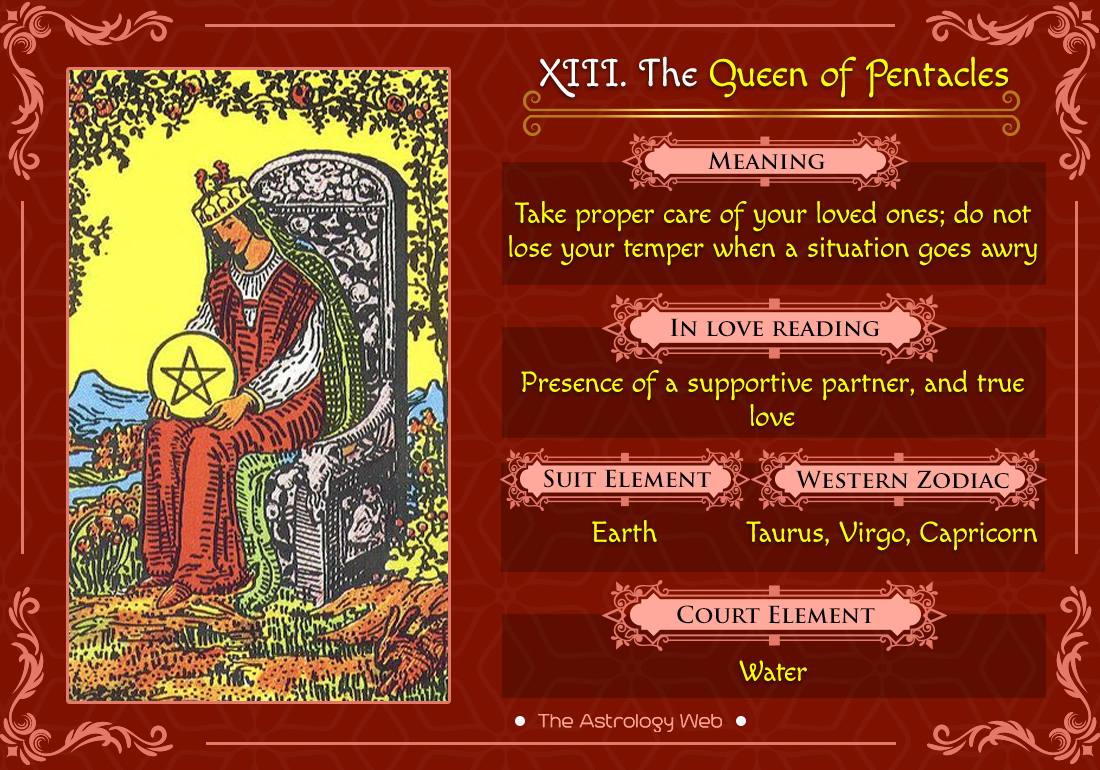
The Minor Arcana cards bring tarot into the realm of daily experiences, offering insights into relationships, career, and personal challenges. Each suit has its own energy and focus. For instance, the Cups suit delves into emotional states and connections, with cards like “Three of Cups” celebrating friendship and “Five of Cups” highlighting loss. Pentacles, on the other hand, ground you in reality, covering topics like financial stability (“Ten of Pentacles”) and hard work (“Five of Pentacles”). Swords cut through illusions, addressing mental clarity and conflict, while Wands ignite your passions and ambitions. To master the Minor Arcana, study each suit individually, paying attention to the numerological patterns and elemental associations (Water for Cups, Earth for Pentacles, Air for Swords, and Fire for Wands).
Reversed Tarot Cards: Uncovering Hidden Layers
Reversed tarot cards add depth to your readings by revealing blocked energy, internal struggles, or subconscious influences. When a card appears upside down, its traditional meaning may be reversed or intensified. For example, the upright “The Chariot” signifies determination and victory, while reversed, it may indicate a lack of direction or self-doubt. Similarly, the “Three of Swords” upright warns of heartbreak, but reversed, it suggests healing from emotional pain. Learning to interpret reversals requires practice and intuition. Start by comparing the upright and reversed meanings of each card, and use reversals sparingly in readings until you feel comfortable with their nuances. This approach ensures your interpretations remain balanced and insightful.

Practical Tips for Memorizing Tarot Cards
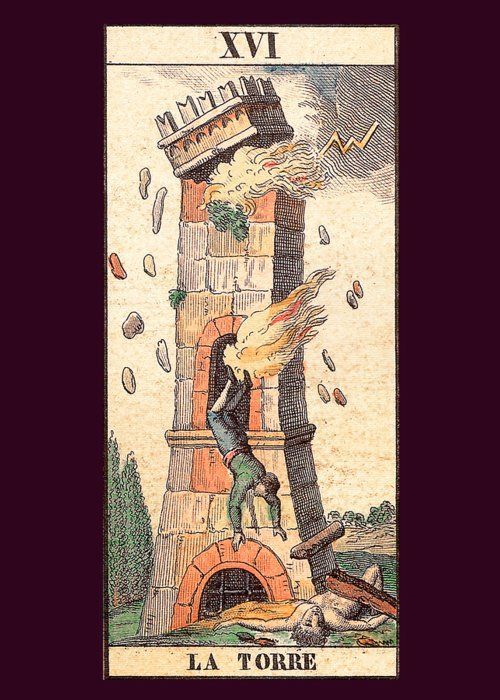
Memorizing 78 cards can feel daunting, but with the right techniques, it becomes manageable and even enjoyable. Start by associating each card with a vivid image or keyword. For example, “The Tower” might remind you of sudden change or upheaval, while “The Empress” evokes nurturing and abundance. Use mnemonic devices, such as creating a story linking the cards in order of the Major Arcana. Flashcards are another effective tool—write the card name on one side and its meaning on the other. Practice daily, even if it’s just for a few minutes, and test yourself by pulling random cards to recall their meanings. Additionally, incorporate tarot into your daily life by drawing a single card each morning to reflect on its message. Over time, these methods will solidify your knowledge and deepen your intuitive connection to the deck.
Reading Tarot for Yourself and Others
Once you’re familiar with the cards, the next step is applying your knowledge to readings. Start with simple spreads, like a three-card layout representing past, present, and future, or a situation-action-outcome spread. When reading for yourself, focus on self-reflection and guidance rather than seeking definitive answers. For others, approach each reading with an open mind and heart, allowing the cards to reveal insights without imposing your interpretations. Pay attention to the querent’s (the person asking the question) energy and body language, as these can provide additional context. Always end readings with a positive affirmation or advice to empower the querent. With practice, you’ll develop a unique style that blends traditional meanings with your intuitive insights.
Common Mistakes to Avoid
Even experienced readers can fall into traps that skew their interpretations. One common mistake is relying too heavily on guidebooks or memorized meanings without trusting your intuition. While traditional interpretations are valuable, your personal connection to the cards is equally important. Another pitfall is overcomplicating readings with too many cards or complex spreads before mastering the basics. Start simple and gradually expand your techniques as your confidence grows. Additionally, avoid reading for others if you’re feeling emotionally drained or distracted, as this can cloud your interpretations. Lastly, don’t dismiss reversed cards as purely negative—view them as opportunities for growth and self-awareness. By staying mindful of these pitfalls, you’ll cultivate a more authentic and insightful tarot practice.
Conclusion
Learning tarot doesn’t have to be a stressful or overwhelming experience. By breaking down the deck into manageable sections—starting with the Major Arcana, exploring the Minor Arcana suits, and understanding reversals—you can build a strong foundation without feeling buried in information. Practical tools like flashcards, daily draws, and simple spreads make the process engaging and rewarding. Remember, tarot is a journey of self-discovery, and every card holds a lesson waiting to be uncovered. As you grow more comfortable with the cards, your readings will become more intuitive and meaningful. Whether you’re seeking guidance for yourself or others, tarot offers a powerful tool for reflection, clarity, and empowerment. Embrace the process, trust your instincts, and let the cards illuminate your path.
FAQ
What are the Major Arcana cards in tarot?
The Major Arcana consists of 22 cards that represent significant life themes and spiritual lessons, such as ‘The Fool’ and ‘The Lovers.’
How can I memorize tarot card meanings?
You can memorize tarot card meanings by using techniques like flashcards, mnemonics, and associating each card with a vivid image.
What does a reversed tarot card mean?
A reversed tarot card can indicate blocked energy or internal struggles, often reversing or intensifying the card’s traditional meaning.
Leave a Reply