Short Answer
In this comprehensive guide, you’ll explore the rare but significant phenomenon of tarot combinations that may hint at actual death. While tarot cards are primarily used for introspection, guidance, and symbolic interpretation, certain card combinations can carry profound implications when viewed through a literal lens. This article delves into the nuances of these combinations, their potential meanings, and how to approach them with both reverence and caution. Whether you’re a seasoned tarot reader or a curious seeker, you’ll gain insights into recognizing when a reading might transcend metaphor and touch upon the literal.
The Role of Tarot in Predictive Readings
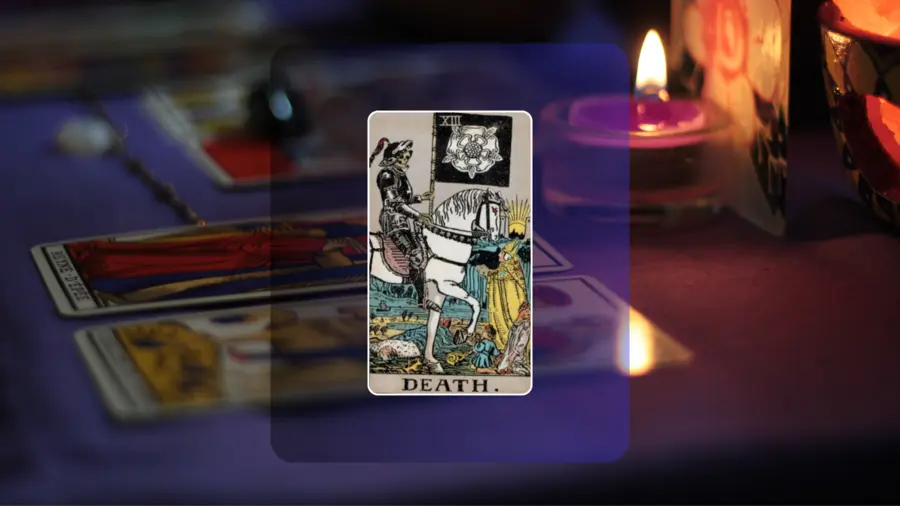
Tarot cards have long been associated with divination, offering insights into the future through symbolic imagery and archetypal narratives. While most readings focus on personal growth, decision-making, or spiritual guidance, some combinations may suggest events of a more serious nature. It’s essential to understand that tarot is not a tool for predicting death with certainty—rather, it serves as a mirror reflecting potential energies and outcomes. The Death card, for instance, is often misunderstood as a literal omen of mortality. In reality, it symbolizes transformation, endings, and rebirth. However, when paired with other cards, such as the Tower, Ten of Swords, or Three of Swords, the narrative can shift, warranting deeper reflection.
Key Tarot Combinations Suggesting Actual Death
Certain card combinations are more likely to raise concerns about literal death due to their historical and symbolic associations. Below are some of the most significant pairings to consider:
Death + The Tower
The Tower represents sudden upheaval, chaos, and destruction, often linked to traumatic events. When combined with the Death card, this pairing may indicate a catastrophic or life-altering event. While not always literal, the imagery suggests irreversible change, such as the loss of a loved one, a severe accident, or a life-altering diagnosis. The key here is to examine the surrounding cards for context—are there cards of healing (e.g., Strength, Temperance) or further destruction (e.g., Five of Pentacles, Eight of Swords)?

Death + Ten of Swords
The Ten of Swords depicts a figure lying face down with ten swords in their back, symbolizing betrayal, defeat, and a painful end. When paired with Death, this combination can suggest a scenario where the end is final and brutal. In a literal sense, this might reflect a sudden death, a violent incident, or an irreversible loss. However, it’s crucial to remember that tarot is not deterministic—these cards may instead highlight the need to release a toxic situation or relationship that has run its course.
Death + Three of Swords
The Three of Swords shows a heart pierced by three swords, representing heartbreak, sorrow, and emotional pain. When Death appears alongside it, the combination can signal a profound loss, such as the death of a loved one, a devastating breakup, or a deep betrayal leading to emotional turmoil. While the focus here is often on grief rather than physical death, the intensity of the imagery warrants careful consideration of the querent’s emotional state.
Distinguishing Between Symbolic and Literal Interpretations
One of the most challenging aspects of tarot is discerning when a reading leans toward the literal versus the symbolic. Several factors can help clarify the message:
- Surrounding Cards: Cards adjacent to the Death combination can provide context. For example, the presence of the Star or the Moon may soften the reading, suggesting hope or intuition rather than literal doom.
- Querent’s Intuition: The individual receiving the reading often has an intuitive sense of whether the message feels like a warning or a metaphor. Trusting their gut reaction is vital.
- Card Positioning: In a spread, the position of the cards (past, present, future) can indicate whether the death is a past event, a current concern, or a potential future outcome.
- Reversed Cards: A reversed Death card might suggest resistance to change or a fear of endings, rather than an actual literal death. Similarly, reversed Tower or Ten of Swords could indicate that the worst has passed or is avoidable.
Ethical Considerations in Delivering Such Readings
When a tarot combination suggests the possibility of literal death, the reader bears a significant ethical responsibility. Delivering such a message requires sensitivity, empathy, and a clear distinction between guidance and prophecy. Consider the following approaches:
- Frame the Reading as a Warning, Not a Prediction: Emphasize that the cards are highlighting potential energies or areas of concern, not a fixed outcome.
- Offer Supportive Guidance: Instead of leaving the querent in fear, provide actionable advice, such as seeking medical attention, mending relationships, or practicing self-care.
- Avoid Fear-Mongering: It’s important not to amplify the message with dramatic language. Instead, present the information calmly and encourage the querent to use the insight constructively.
- Encourage Professional Help: If the reading feels overwhelming or the querent expresses distress, gently suggest speaking with a therapist, counselor, or trusted advisor.
Historical and Cultural Perspectives on Tarot and Death
Tarot’s association with death and mortality has roots in both historical practices and cultural beliefs. In medieval Europe, tarot decks were sometimes used in funeral rites or as tools for communicating with the deceased. The Death card itself, while often feared, was seen as a necessary part of the cycle of life. In modern times, tarot continues to be used in grief counseling and spiritual practices, helping individuals process loss and find meaning in endings. Understanding this historical context can provide a more nuanced view of how tarot combinations related to death are interpreted across different cultures and eras.
Practical Steps for Querents Receiving a Concerning Reading
If you’ve received a tarot reading that hints at a literal death, it’s natural to feel unsettled. Here are practical steps to process the information and take action:
- Pause and Reflect: Take time to sit with the reading without jumping to conclusions. Journal about your feelings and any intuitive hits you may have.
- Seek Additional Clarity: Consider pulling a clarifying card or having another reading to see if the message shifts or softens.
- Focus on What You Can Control: If the reading feels like a warning, channel your energy into self-care, strengthening relationships, or addressing any health concerns.
- Talk to Someone You Trust: Sharing your concerns with a close friend, family member, or therapist can provide emotional support and a fresh perspective.
- Use the Insight Constructively: Even if the reading feels ominous, view it as an opportunity to make positive changes in your life or the lives of those around you.
Conclusion
Tarot combinations that hint at actual death are rare but powerful, demanding careful interpretation and ethical handling. While the Death card and its pairings can evoke fear, it’s essential to remember that tarot is ultimately a tool for growth, reflection, and empowerment. By approaching these readings with a balanced perspective—honoring their potential gravity while avoiding unnecessary alarm—you can navigate their messages with wisdom and grace. Whether the cards speak to literal or symbolic endings, their true purpose is to guide you toward transformation and renewal.
FAQ
What does the Death card symbolize in tarot?
The Death card symbolizes transformation, endings, and rebirth rather than a literal death.
How can I interpret tarot combinations suggesting death?
Consider the surrounding cards, the querent’s intuition, and the context of the reading to discern between symbolic and literal interpretations.
Leave a Reply