Short Answer
Embark on a journey through the echoes of your past, where every misstep, every stumble, and every moment of sheer audacity shaped the person you are today. This guide explores the paradoxical beauty of “The Fool Past”—a time when you were once fearless, unburdened by doubt, and brimming with the raw courage to chase the impossible. Discover how these fragments of your history are not just remnants of who you were, but the very foundation of who you are becoming. Through vivid metaphors and introspective insights, we’ll unravel the unique appeal of embracing the past’s foolishness as a catalyst for growth, resilience, and self-discovery.
The Fool Past: A Metaphor for Unfiltered Courage
The idea of “The Fool Past” is a poetic paradox—a time when you were unknowingly brave, where naivety was mistaken for wisdom, and where every failure was a stepping stone disguised as a stumble. Imagine a child running through a field, unafraid of the unknown, their laughter echoing as they chase a kite that’s just out of reach. That child was you. That unbridled enthusiasm, that willingness to leap before looking, was the essence of your past self. The fool, in this context, isn’t a derogatory term but a badge of honor—a symbol of someone who dared to dream without the weight of consequences holding them back.
This metaphor extends beyond childhood. Think of the moments when you said “yes” to an opportunity without hesitation, when you spoke your truth without fear of judgment, or when you pursued a passion simply because it felt right. These were the acts of a fool—not in the sense of being reckless, but in the sense of being unapologetically alive. The fool past is the archive of your most authentic self, a time when you were unfiltered by societal expectations or the paralyzing grip of perfectionism.
The Unique Appeal of Embracing Your Foolish Past
There’s an undeniable allure to revisiting the past through the lens of foolishness. It’s not about glorifying mistakes or dwelling on regrets; it’s about recognizing the hidden gems within those experiences. The fool past is a treasure trove of lessons disguised as folly. Consider the time you wore an outfit that was “so last season,” or the time you confidently declared your love for someone who didn’t feel the same. These moments, once cringe-worthy, are now stories that define your resilience and humor. They’re proof that you survived—and thrived—despite the odds.
Moreover, the fool past serves as a reminder that growth often begins with discomfort. Every foolish decision, every misguided leap of faith, was a chapter in your personal evolution. It’s the reason you’re now equipped to navigate life’s complexities with a blend of wisdom and whimsy. The appeal lies in the realization that your past self wasn’t just a collection of errors; it was a vibrant, messy, and utterly human version of you that paved the way for the person you are today.
The Language of the Fool: How Words Shape Our Perception
Language plays a pivotal role in how we interpret our fool past. Words like “mistake,” “failure,” and “regret” often carry negative connotations, but when reframed, they transform into narratives of courage and discovery. For instance, the phrase “I was a fool to think I could do that” can be rewritten as “I was brave enough to try something new.” This shift in perspective isn’t just semantic; it’s transformative. It allows you to reclaim agency over your narrative, turning what once felt like a stumble into a deliberate step forward.
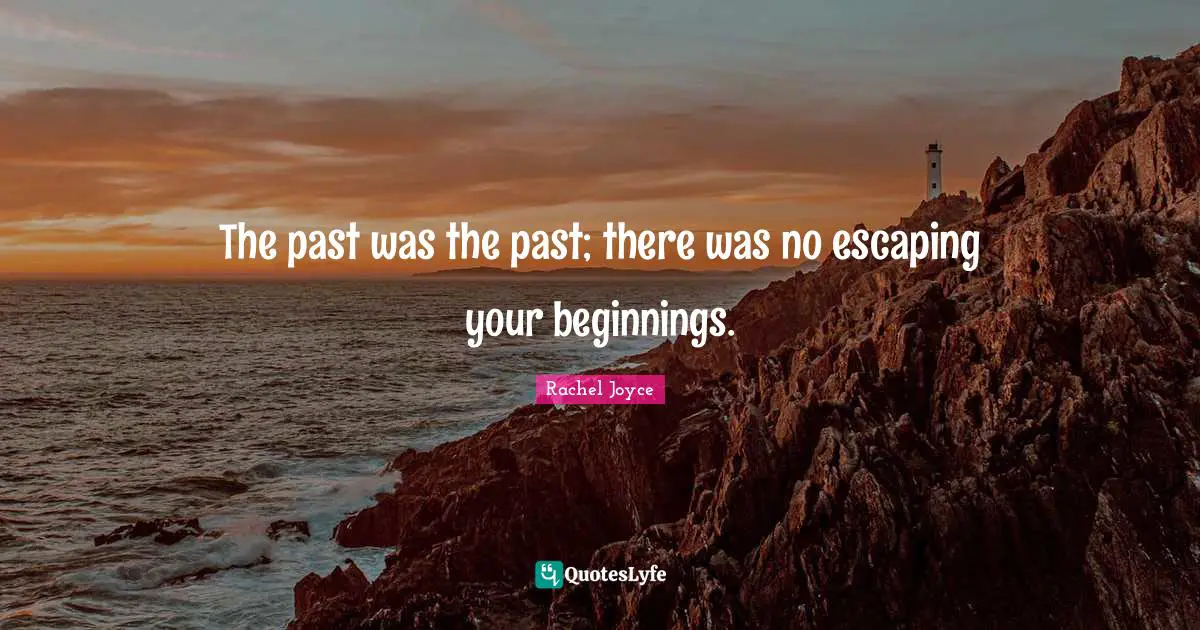
Consider the quotes that resonate with the fool past theme. One such quote reads, “The past was the past; there was no escaping your beginnings.” This line underscores the inevitability of your past while subtly reminding you that your beginnings were not chains but the seeds of your future. Another quote, “Be proud of what your past has made you become,” encapsulates the essence of embracing your fool past. It’s a call to celebrate the journey, not just the destination, and to find pride in the person you’ve become because of—rather than in spite of—your past.
Visualizing the Fool Past: A Collage of Memories
Images often speak louder than words, and the fool past is no exception. Picture a collage of photographs: a young you mid-laugh, arms outstretched as if embracing the world; a teenager holding a trophy they didn’t expect to win; an adult you, standing at a crossroads with a grin that says, “I don’t know what I’m doing, but I’m doing it anyway.” These visuals are more than just snapshots; they’re windows into the soul of your fool past. They remind you that every moment, no matter how trivial it may seem now, contributed to the tapestry of your life.
One image that perfectly encapsulates this idea is a photograph of a kite flying high in the sky, its string held loosely in the hands of a child. The kite represents the dreams and aspirations of your fool past, soaring freely despite the occasional tug of reality. The child’s grip, though not tight enough to control the kite’s path, is firm enough to keep it from drifting away entirely. This image is a metaphor for how your fool past—with all its uncertainties and wild leaps—kept you grounded while allowing you to reach for the impossible.


Transforming Foolishness into Wisdom: Practical Steps
Embracing your fool past isn’t just about nostalgia; it’s about extracting wisdom from it. Here are practical steps to transform your past foolishness into a source of strength:
- Reframe Your Narrative: Replace self-deprecating language with empowering reframes. Instead of saying, “I was so foolish to trust them,” try, “I was brave enough to give someone a chance, and that taught me valuable lessons.”
- Create a Fool Past Scrapbook: Collect photos, journal entries, and mementos from your past that represent moments of unfiltered courage. Reviewing this scrapbook can serve as a reminder of how far you’ve come.
- Embrace the “And” Mindset: Instead of viewing your past as a series of mistakes, see it as a series of experiences that shaped you. For example, “I was a fool to drop out of college, and that decision led me to discover my true passion.”
- Share Your Stories: Talk about your fool past with others. Sharing these stories not only helps you process them but also inspires others to embrace their own journeys with kindness and humor.
- Celebrate Small Wins: Acknowledge the courage it took to make those “foolish” decisions, no matter how small. Every leap of faith, no matter the outcome, is a testament to your growth.
Conclusion: The Fool Past as a Beacon for the Future
The fool past is not a chapter to close but a story to cherish. It’s the part of you that dared to dream, to fail, and to rise again—unapologetically and without reservation. By embracing these moments, you’re not just honoring your past; you’re fueling your future. The fool past teaches you that courage isn’t the absence of fear but the audacity to move forward despite it. It reminds you that every “foolish” decision was a thread in the fabric of your resilience, and every misstep was a lesson in disguise.
So, the next time you look back at your past, see it through the lens of the fool—not with regret, but with pride. Celebrate the person you were, for they are the architect of the person you are becoming. The fool past isn’t a relic; it’s a living, breathing testament to your journey, and it’s yours to own, to learn from, and to celebrate.
Leave a Reply