Short Answer
Welcome to your comprehensive guide to the meanings of all 78 Tarot cards. Whether you’re a seasoned reader or a curious beginner, this guide will help you understand the symbolism, interpretations, and deeper messages behind each card. From the Major Arcana’s life-altering journeys to the nuanced insights of the Minor Arcana, you’ll discover how these cards can serve as a mirror to your subconscious, a tool for reflection, and a guide through life’s complexities. By the end, you’ll not only recognize the cards but also appreciate their power to reveal hidden truths and inspire personal growth.
The Structure of a Tarot Deck: Major vs. Minor Arcana
A standard Tarot deck consists of 78 cards divided into two main groups: the Major Arcana and the Minor Arcana. The Major Arcana contains 22 cards, each representing significant life events or spiritual lessons. These cards often depict archetypal figures and universal themes, such as The Fool’s journey toward enlightenment or The Tower’s sudden upheaval. In contrast, the Minor Arcana consists of 56 cards divided into four suits—Cups, Pentacles, Swords, and Wands—each reflecting everyday experiences and challenges. While the Major Arcana speaks to grand narratives, the Minor Arcana offers practical insights into daily life, emotions, work, and relationships. Together, they create a holistic language that speaks to both the extraordinary and the ordinary aspects of human existence.
Understanding the Major Arcana: The Soul’s Journey
The Major Arcana cards are often seen as the heart of the Tarot deck, representing pivotal moments in a person’s spiritual and personal development. Each card tells a story, progressing from The Fool’s innocent beginnings to The World’s completion. For example, The Magician symbolizes manifestation and resourcefulness, while The High Priestess represents intuition and hidden knowledge. Cards like The Lovers and The Chariot highlight choices and determination, while The Death card—often misunderstood—signifies transformation rather than literal demise. These cards encourage introspection and highlight the cyclical nature of life, urging you to embrace change and trust the journey. By studying the Major Arcana, you gain insight into your life’s larger purpose and the universal patterns that shape your experiences.
Exploring the Minor Arcana: The Details of Daily Life
The Minor Arcana cards delve into the specifics of human experience, offering clarity on everyday situations. Each suit corresponds to an element and a facet of life: Cups (water) govern emotions and relationships, Pentacles (earth) relate to finances and material matters, Swords (air) deal with thoughts and conflicts, and Wands (fire) represent creativity and ambition. For instance, the Three of Cups celebrates friendship and joy, while the Five of Pentacles may indicate financial struggle or feeling left out in the cold. The Swords suit often brings sharp clarity or conflict, as seen in the Ace of Swords, which signifies a breakthrough in understanding. Meanwhile, the Wands suit is dynamic and forward-moving, with cards like the Ten of Wands suggesting perseverance despite burdens. Understanding the Minor Arcana allows you to navigate life’s practical challenges with greater awareness and confidence.
The Court Cards: Personalities and Influences
Within the Minor Arcana, the Court Cards—Page, Knight, Queen, and King—represent people, personalities, or energies you may encounter. These cards can describe someone’s character traits, your own inner qualities, or even situations that require a specific approach. For example, the Queen of Cups embodies emotional intelligence and compassion, while the Knight of Swords may indicate impulsive action driven by intellect. The Pages often symbolize new beginnings or messages, while the Kings represent mastery and authority. Interpreting Court Cards requires considering their suit and rank, as well as the context of a reading. They add depth to a reading by highlighting the human elements involved, whether as influences in your life or aspects of your own personality that need attention.
Reversed Cards: Uncovering Hidden Layers
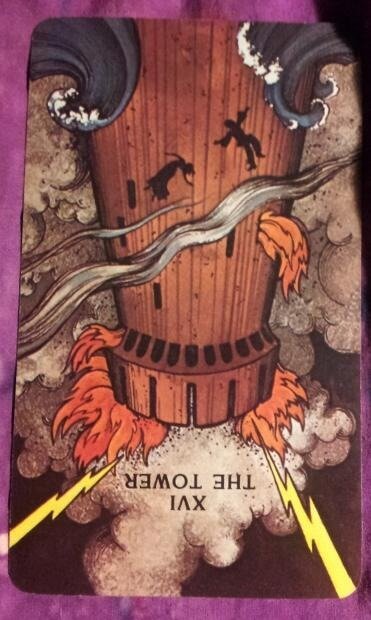
Tarot cards can appear reversed (upside down) in a spread, which often indicates blocked energy, internal struggles, or a need for introspection. For example, The Tower reversed might suggest resistance to necessary change, while the reversed Three of Cups could point to unresolved conflicts in relationships. Reversals don’t necessarily mean a negative outcome; instead, they highlight areas where you may be avoiding truth or where growth is still needed. Some readers see reversed cards as internalized messages, while others interpret them as external challenges. Understanding reversals adds a layer of nuance to your readings, allowing you to explore the deeper, sometimes uncomfortable, truths that the cards reveal.
How to Use This Guide: Practical Tips for Readers
To get the most out of this guide, start by familiarizing yourself with the imagery and basic meanings of each card. Study the Major Arcana first, as its themes provide a foundation for understanding the Minor Arcana. Use the guide as a reference when pulling cards in a spread, noting how their meanings resonate with your question or situation. Keep a journal to track your interpretations and any patterns you notice over time. Don’t rush—Tarot is a language to be learned gradually. You might also pull a single card each day as a focus for meditation or reflection. Over time, your intuition will deepen, and you’ll begin to see how the cards weave together to tell your unique story.
Common Misconceptions About Tarot
Tarot is often shrouded in mystery and misconceptions, such as the idea that it predicts the future with absolute certainty or that it’s tied to supernatural forces. In reality, Tarot is a tool for self-reflection and guidance, offering perspectives rather than fixed outcomes. Another myth is that only “gifted” individuals can read Tarot—truthfully, anyone can learn with practice and an open mind. Some also believe that reversed cards always indicate negativity, but they can simply highlight internal or less obvious aspects of a situation. By approaching Tarot with curiosity and humility, you’ll find it to be a powerful ally in navigating life’s uncertainties.
Conclusion: Embracing the Wisdom of the Tarot
The Tarot deck is more than a collection of symbols—it’s a mirror to the human experience, reflecting our fears, desires, challenges, and triumphs. By learning the meanings of all 78 cards, you unlock a language that speaks to the subconscious, offering clarity, validation, and inspiration. Whether you use Tarot for personal growth, creative exploration, or spiritual guidance, its true power lies in its ability to help you see your life—and yourself—with new eyes. As you continue your journey with the cards, remember that their magic isn’t in predicting the future but in illuminating the present. Trust your intuition, stay open to the messages, and let the Tarot guide you toward deeper understanding and empowerment.
FAQ
What is the significance of the Major Arcana in Tarot?
The Major Arcana represents significant life events and spiritual lessons, with each card telling a story of personal development.
How do I interpret reversed Tarot cards?
Reversed cards often indicate blocked energy or internal struggles, highlighting areas where growth is needed rather than always signaling negativity.
Leave a Reply