Short Answer
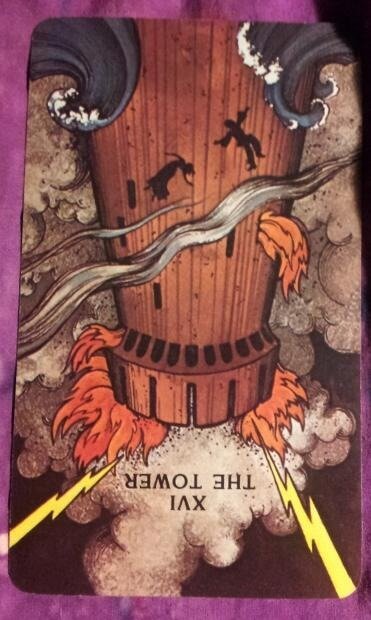
The Reversed Tower tarot card invokes a spectrum of meanings, particularly when examined through the lens of Christian theology. This card, emblematic of chaos, disruption, and revelation, manifests profound implications for spiritual contemplation. Within the Christian context, its reversal is often perceived as a harbinger of transformation—much like the metamorphosis of a chrysalis to a butterfly. This spiritual metamorphosis promises a shift in perspective, offering a renewed understanding of faith, resilience, and renewal. A deeper examination reveals how the Reversed Tower resonates with biblical doctrines, illuminating pathways toward renewal and enlightenment.
To grasp the essence of the Reversed Tower card, one must first acknowledge its upright counterpart. Traditionally, the Tower represents sudden upheaval, cataclysmic change, and the crumbling of long-standing beliefs. The lightning strike that disassembles the tower serves as a metaphor for divine intervention, compelling individuals to reassess their faith and authenticity. Conversely, when the Tower appears in reverse, we transition to a more nuanced interpretation. This inverted stance symbolizes avoidance, fear of change, or the internal struggle to embrace the inevitable disruptions that life may present. Nonetheless, within the Christian perspective, the Reversed Tower pulsates with an underlying promise of hope and renewal—themes heavily interwoven with both the New and Old Testaments.
At first glance, the Reversed Tower conveys a notion of clinging to familiarities. However, as Christians delve deeper into metaphoric interpretations, it sparks curiosity regarding divine promises. The gospel frequently depicts how God desires His followers to emerge from the shadows of despair, illuminating their lives with hope. A prime example can be drawn from Romans 12:2, which states, “Do not conform to the pattern of this world, but be transformed by the renewing of your mind.” Hence, the Reversed Tower can be understood as an invitation to redirect focus from fear to faith. This transformative process empowers the believer to reassess the foundational structures of their spiritual life, leading them away from stagnation and toward spiritual rejuvenation.
Moreover, the inversion of the Tower can indicate a personal awakening or epiphany. In Christian spirituality, new insights often stem from the ashen remains of former beliefs. Just as the phoenix rises from the ashes, so too can believers find strength in moments of vulnerability and confusion. This parallels the story of Job, who endured profound suffering yet ultimately found restoration and newfound understanding of God’s sovereignty. The Reversed Tower emulates Job’s journey, underscoring how turmoil can act as a catalyst for a deeper relationship with the divine, leading to enrichment rather than detriment.
A critical component of the Reversed Tower’s meaning is found in its emphasis on the need for self-examination. It manifests as an opportunity for intuitive awareness and profound introspection. As Christians engage with this card, they may confront personal fears or inhibitions that stymie spiritual growth. The illumination provided by the Reversed Tower is resonant with the biblical calls for repentance, a vital tenet of the faith. This movement toward introspection and acknowledgement of one’s shortcomings aligns with Proverbs 28:13, reinforcing that “he who conceals his transgressions will not prosper.” The Reversed Tower encourages believers to examine the integrity of their foundations—be they moral, emotional, or spiritual—and to dismantle the illusions that may shackle their spiritual journey.
Importantly, the Reversed Tower can prompt essential dialogues about resilience within the Christian community. It serves as a testimony to the inevitable trials of life while highlighting the capacity for healing and recovery. Just as Peter experienced a profound transformation after his denial of Christ, individuals facing their tower moments can emerge, renewed and strengthened in faith. It is through grappling with life’s upheavals that Christians are often steered closer to the heart of God—strengthening their essence and resilience. The concept of endurance is pervasive in scripture and is encapsulated in Romans 5:3-4, which advocates for a profound relationship between suffering and the cultivation of perseverance.
As believers navigate through personal and communal crises, the Reversed Tower simultaneously embodies the dual notions of caution and hope. One could argue it serves as a wake-up call to the faithful: a solemn reminder of the importance of adaptability in one’s spiritual walk. Just as the apostle James encouraged perseverance in trials, the Reversed Tower can be seen as a nudge to embrace change and uncertainty, trusting that divine providence will lead toward restoration. Engaging with this card encourages Christians to fervently seek understanding in disarray, effectively forming a more resilient faith.
Furthermore, on a broader appraised level, the Reversed Tower can herald the necessity for reconciliation and forging pathways in interpersonal relationships. When taken to heart, this card urges self-reflection on how miscommunications and misunderstandings can lead to estrangement. It aligns harmoniously with Matthew 5:24, where believers are reminded to seek reconciliation in relationships before offering their gifts at the altar. This component challenges individuals to confront their own responsibilities in the context of communal and familial bonds, paving the way for healing and renewal.
In conclusion, the Reversed Tower tarot card emerges as a profound symbol within the Christian perspective. It encapsulates the potential for renewal, introspection, and transformation in the face of disruption. The layers of meaning associated with this card compel believers to re-evaluate their understanding of faith during tumultuous times, revealing opportunities for growth that are often obscured by fear and uncertainty. As Christians engage with the complexities of their spiritual journey, the Reversed Tower serves as a poignant reminder: within every upheaval lies the potential for profound divine alignment and renewed purpose.
FAQ
What does the Reversed Tower tarot card mean?
The Reversed Tower signifies chaos and transformation, encouraging introspection and resilience in the face of upheaval.
How can the Reversed Tower be interpreted in a Christian context?
In a Christian context, the Reversed Tower represents a call to reassess faith and embrace change, highlighting themes of renewal and hope.


Leave a Reply