Short Answer
Welcome to your comprehensive guide on Tarot layouts and meanings. In this article, you’ll discover how the position of a card in a spread influences its interpretation, learn about different types of layouts, and gain insights into how to apply these readings to real-life situations. Whether you’re a beginner or an experienced reader, this guide will help you deepen your understanding of Tarot spreads and their significance.
Understanding Tarot Layouts and Card Positions
Tarot layouts, also known as spreads, are specific arrangements of cards used to explore different aspects of a question or situation. Each position in a spread represents a unique facet of the query, and the card that lands in that position provides insight into that aspect. The meaning of a card can shift dramatically depending on where it falls in the layout. For example, a card representing challenges in one position might symbolize growth in another. Understanding these nuances is key to interpreting Tarot spreads accurately.
Card positions in a spread often correspond to themes such as past influences, present circumstances, future possibilities, or subconscious motivations. By analyzing the cards in relation to their positions, you can uncover deeper layers of meaning and gain clarity on complex situations. This guide will explore various types of spreads and how to interpret the cards based on their placement.
The Significance of Card Placement in Spreads
Card placement is crucial because it contextualizes the card’s meaning. For instance, the same card could indicate a blockage if it appears in a “challenge” position, but it might suggest resilience if it lands in a “strength” position. Common positions in Tarot spreads include:
- Past: Represents influences or events that have led to the current situation.
- Present: Reflects the current state of affairs or the querent’s mindset.
- Future: Offers insight into potential outcomes or developments.
- Obstacles: Highlights challenges or external factors that may hinder progress.
- Advice: Provides guidance or suggestions for navigating the situation.
- Outcome: Reveals the likely result if current trends continue.
By paying attention to these positions, you can tailor your interpretation to the specific dynamics of the query, making your readings more precise and meaningful.
Common Tarot Spreads and Their Interpretations
There are countless Tarot spreads, each designed to explore different aspects of a question. Below are some of the most popular spreads and how to interpret the cards based on their positions:
1. The Three-Card Spread
The Three-Card Spread is one of the simplest and most versatile layouts. It typically consists of positions for Past, Present, and Future, though it can also represent Mind, Body, and Spirit or Situation, Action, and Outcome. This spread is ideal for quick insights or when you’re exploring a straightforward question.
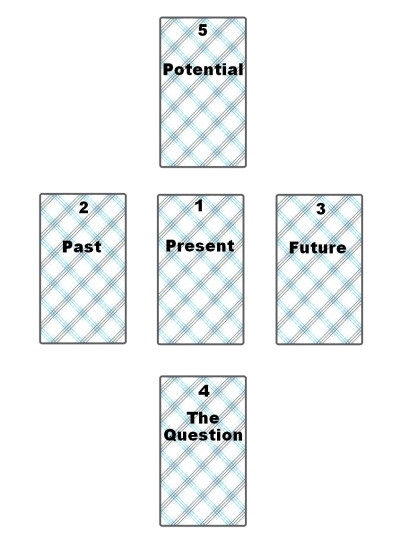
For example, if the Past position shows the Five of Cups, it may indicate lingering regret or loss. The Present card, say the Six of Wands, could suggest a period of recognition or success. The Future card, the Ten of Pentacles, might point to long-term stability or family harmony. Together, these cards paint a picture of moving from emotional setbacks to eventual fulfillment.
2. The Celtic Cross Spread
The Celtic Cross is a more complex spread with ten cards, offering a detailed exploration of a situation. The positions include the Present, Immediate Challenge, Subconscious Influences, Past, Future, and Outcome, among others. This spread is best for in-depth readings where you need a comprehensive understanding of the dynamics at play.

In this spread, the card in the “Crown” position (the second card) often represents the querent’s conscious mind or immediate challenge. If this card is the Tower, it might indicate sudden upheaval or a need for radical change. Meanwhile, the “Root” position (the sixth card) could reveal underlying fears or hidden motivations, such as the Eight of Swords, suggesting feelings of being trapped. By analyzing each position, you can uncover the layers of meaning in the querent’s situation.
3. The Horseshoe Spread
The Horseshoe Spread is a seven-card layout that provides a balanced view of a situation, covering past influences, present circumstances, future possibilities, and underlying factors. It’s a great spread for addressing complex questions or when you need a broad perspective. The positions often include Past, Present, Hidden Influences, Obstacles, External Influences, Advice, and Outcome.

For instance, if the Obstacles position shows the Three of Swords, it may highlight emotional pain or betrayal as a key challenge. The Advice card, perhaps the Queen of Cups, could suggest approaching the situation with compassion and intuition. The Outcome card, the Star, might indicate healing and renewed hope. This spread helps you see the full arc of a situation, from its roots to its resolution.
How to Interpret Cards Based on Their Positions
Interpreting cards based on their positions requires a combination of intuition and traditional meanings. Here’s a step-by-step approach to help you get started:
- Identify the Spread Structure: Familiarize yourself with the positions in the spread you’re using. Each position has a specific theme or question it addresses.
- Analyze the Card’s Traditional Meaning: Start with the core meaning of the card, considering its imagery, symbolism, and elemental associations.
- Consider the Position’s Meaning: Reflect on how the card’s traditional meaning aligns with the position’s theme. For example, a card representing creativity (Three of Cups) in a “challenge” position might indicate that creative expression is being stifled.
- Look for Patterns: Pay attention to recurring themes, such as multiple Major Arcana cards indicating significant life events or several Swords cards suggesting mental or communicative challenges.
- Synthesize the Information: Combine the meanings of the cards and their positions to form a cohesive narrative. Ask yourself how the cards interact and what story they tell about the querent’s situation.
Practical Tips for Reading Tarot Layouts
Reading Tarot layouts effectively takes practice, but these tips can help you refine your skills:
- Shuffle with Intention: Before laying out the cards, focus on your question or the area of life you’re exploring. This helps set the energy for the reading.
- Trust Your Intuition: While traditional meanings provide a foundation, your gut feeling about a card’s message is equally important. Don’t be afraid to trust your instincts.
- Consider Reversed Cards: Reversed cards can indicate blocked energy, internal struggles, or a need for introspection. Pay attention to how reversed cards interact with their positions.
- Journal Your Readings: Keep a record of your spreads, interpretations, and outcomes. Over time, you’ll notice patterns and deepen your understanding of how cards interact in different positions.
- Practice with Simple Spreads: Start with smaller spreads like the Three-Card Spread before moving on to more complex layouts. This builds confidence and helps you internalize the meanings of card positions.
Conclusion
Tarot layouts are powerful tools for gaining insight into life’s challenges and opportunities. By understanding how card positions influence interpretation, you can unlock deeper layers of meaning in your readings. Whether you use a simple Three-Card Spread or a detailed Celtic Cross, the key is to approach each reading with curiosity and an open mind. Remember that Tarot is a mirror—it reflects the energies and dynamics at play in a situation, offering guidance and clarity along the way. With practice and patience, you’ll develop the ability to craft meaningful interpretations that resonate with querents and illuminate their paths forward.
Leave a Reply