Short Answer
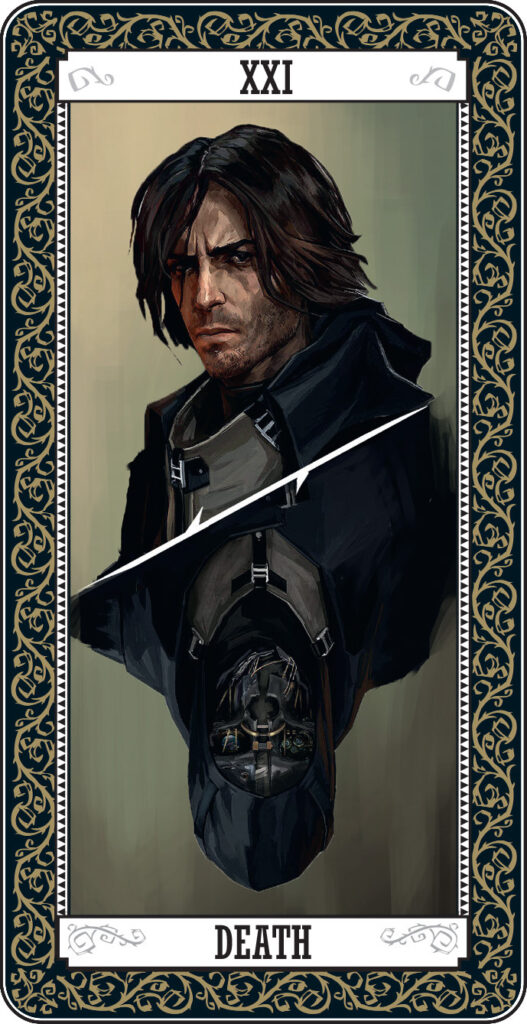
The concept of tarot cards has long captivated the human psyche, weaving together ancient symbolism with modern existential dilemmas. In the context of *Dishonored*, a popular video game series steeped in a rich mythos, the tarot cards take on a distinctive narrative weight. Each card resonates with deeper meanings, begging the observer to delve into the underlying themes of fate, power, and moral ambiguity that the game explores.
The *Dishonored Tarot Deck* invites players and enthusiasts alike to engage with its intricate design and esoteric implications, allowing for an exploration of the human experience through the lens of the game’s lore. As we sift through the cards, it becomes apparent that they transcend the typical proclamations of fortune-telling; they prompt a philosophical introspection that challenges perceptions of choice and consequence.
At the forefront of this deck is the card titled “The Empress,” which symbolizes sovereignty and the nurturing aspects of leadership. In a world ravaged by conflict and tyranny, this card serves as a reminder of the responsibilities that accompany power. It beckons the recipient to ponder their role in the broader narrative and the implications of their decisions. The lush imagery associated with the Empress card further embellishes its richness, stirring the imagination and evoking a sense of majesty intertwined with vulnerability.
Conversely, “The Tower” captures the essence of calamity and upheaval. This card offers a stark juxtaposition to the Empress, representing destruction and the subsequent dismantling of false constructs. When one encounters The Tower in a reading, it suggests a precipice of change, a necessary upheaval to instigate growth. This dual nature of chaos, leading to rebirth, reflects the tumultuous journey many characters undergo within the *Dishonored* universe, evoking curiosity about transformation amid turmoil.
The “Fool” card epitomizes beginnings, spontaneity, and the leap of faith. In the context of *Dishonored*, it can embody the naïveté exhibited by protagonists before they grasp the weight of their choices. It serves as a whimsical reminder of the possibilities that lie ahead, urging individuals to embrace uncertainty rather than shy away from it. The artful depiction of the Fool enchants the audience, creating a palpable sense of adventure that intertwines with the broader narrative.
Interspersed among these prominent cards are striking designs reflecting character archetypes and pivotal moments from the game. The “Assassin” card, resembling both Corvo Attano and Emily Kaldwin, symbolizes the multifaceted nature of identity and morality. The narrative invites contemplation on the notion of the ‘hero’ and the ‘villain’—a thematic core in *Dishonored*. This card provokes inquiry: What constitutes justice? Is the assassin merely a pawn of circumstance, or do they possess agency over their fate?
Another fascinating component of the deck is the “Crown” card, representing authority and dominion. However, the crown worn by the card’s subject is tarnished, signaling the corrupt nature of those who seek power for self-serving purposes. This nuanced depiction challenges traditional interpretations of sovereignty and power dynamics, encouraging individuals to confront their beliefs regarding leadership and its ethical ramifications.
The juxtaposition of light and shadow echoes throughout the tarot deck, leading to the profound representation of “The Shadows.” This card suggests the hidden uncertainties and unspeakable truths lurking within the psyche. A reminder of the internal battles faced by each character, it emphasizes the struggle against one’s darker impulses, often lurking beneath the surface of ambition and desire. It invokes a sense of introspective reflection—urging individuals to confront and embrace the complexities of their own motivations.
As players navigate the moral landscape of *Dishonored*, the tarot cards become not merely artifacts but vessels of philosophical exploration. Each card invites the observer to transcend surface-level interpretations and engage in a deeper dialogue with their own ethics and values. It appeals to the nuanced nature of human experience, highlighting the intricate dance between fate and free will.
This layered storytelling, facilitated by the tarot cards, enriches the *Dishonored* experience, fostering a sense of connectivity between in-game actions and real-world implications. Each card draws intrigue, encouraging users to question their assumptions while challenging the lyrical narrative woven throughout the gameplay. By confronting choices and the subsequent consequences, one engages in a vital reassessment of their own life journey—an invitation towards introspection that proves beneficial for both the casual player and the avid enthusiast.
In conclusion, the *Dishonored Tarot Cards* conjure a reverberating shift in perspective, opening pathways for contemplation regarding morality, choice, and transformation. They serve as a reminder that within every story lies a myriad of truths, urging players to venture beyond the confines of the screen and explore the depths of their own existence. Ultimately, this unique deck cultivates an ambiance of curiosity—a longing to unravel the complexities of the human condition, forging a deeper connection not only to the world of *Dishonored* but to the self as well.
FAQ
What are the main themes represented by the Dishonored tarot cards?
The main themes include fate, power, moral ambiguity, and the philosophical implications of choice and consequence.
How does the Empress card relate to the narrative of Dishonored?
The Empress symbolizes sovereignty and leadership responsibilities, prompting players to reflect on their roles in the game’s morally complex world.
Leave a Reply