Short Answer
Welcome to your comprehensive guide on Tarot Meanings in Tagalog. Whether you’re a beginner or looking to deepen your understanding, this resource will walk you through the essentials of Tarot reading, symbolism, and interpretations—all presented in your native language. You’ll discover how to interpret each card, understand their meanings in different contexts, and apply this knowledge to your readings. By the end, you’ll be equipped with the tools to perform readings confidently and accurately.
Understanding the Basics of Tarot
Tarot is a powerful divination tool that uses a deck of 78 cards to provide insight, guidance, and clarity. Each card carries unique symbolism, and its meaning can shift depending on its position in a spread. The deck is divided into two main sections: the Major Arcana and the Minor Arcana. The Major Arcana consists of 22 cards representing significant life events or spiritual lessons, such as The Fool or The Lovers. The Minor Arcana, with 56 cards, reflects everyday experiences and is further divided into four suits: Cups, Pentacles, Swords, and Wands. Understanding these categories is the first step toward mastering Tarot.
Major Arcana: The Journey of Life
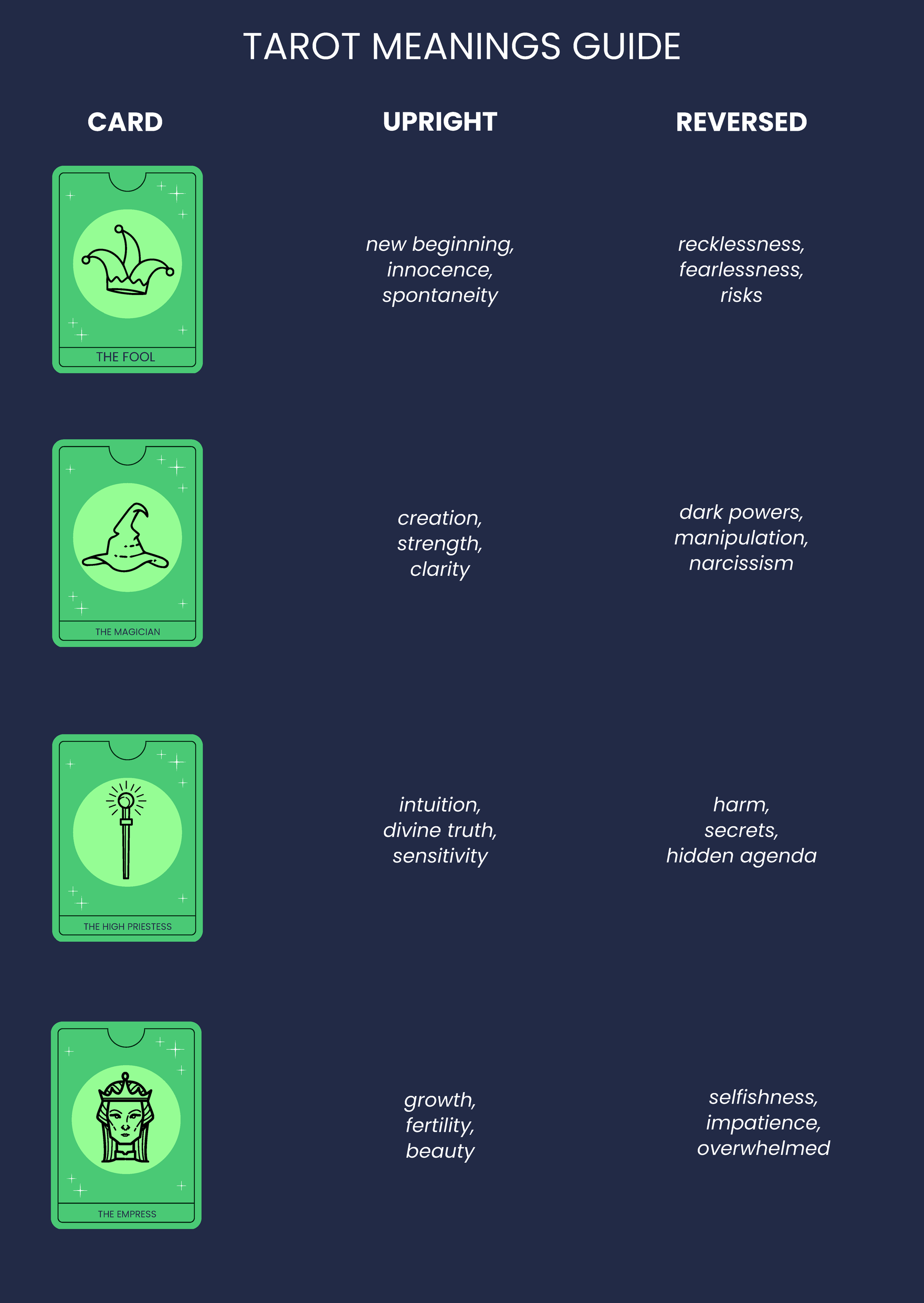
The Major Arcana cards tell a story of personal growth, challenges, and transformation. Each card represents a stage in the human experience. For example, The Magician symbolizes manifestation and resourcefulness, while Death signifies transformation rather than literal demise. When these cards appear in a reading, they often highlight pivotal moments or lessons. Learning their meanings in Tagalog will help you connect more deeply with their messages. For instance, The High Priestess might be referred to as Ang Dakilang Saserdotisa, representing intuition and hidden knowledge.

Minor Arcana: Daily Life and Challenges
The Minor Arcana cards delve into the specifics of daily life, offering insights into relationships, career, finances, and emotions. Each suit corresponds to an element: Cups (water) relate to emotions and relationships, Pentacles (earth) to material matters, Swords (air) to intellect and conflict, and Wands (fire) to creativity and passion. For example, the Three of Cups (or Tatlong Saro ng Mga tasa) might indicate celebration and friendship, while the Five of Pentacles (or Limang Saro ng Mga Barya) could suggest financial struggle. Mastering these cards allows you to provide nuanced interpretations in your readings.
Tarot Spreads: Structuring Your Readings
A Tarot spread is the layout of cards used during a reading. Different spreads serve different purposes, from simple one-card pulls to complex Celtic Cross layouts. A beginner-friendly spread is the Three-Card Spread, which represents past, present, and future. For deeper insights, the Celtic Cross spread explores multiple aspects of a situation, including challenges and potential outcomes. Learning to structure your readings ensures clarity and depth in your interpretations. Tagalog guides often include traditional Filipino interpretations, such as emphasizing community or ancestral wisdom in certain positions.
Interpreting Reversed Cards
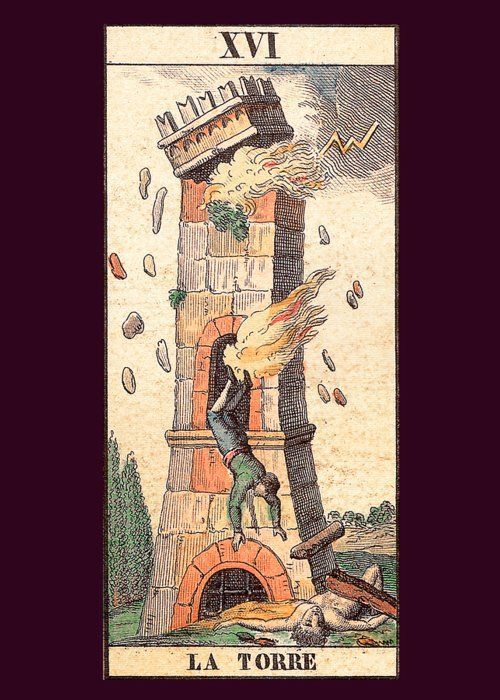
Reversed cards (or “inverted” cards) appear upside down in a spread and often indicate blocked energy, internal struggles, or the opposite of the card’s upright meaning. For example, the Reversed Tower (or Ang Nalaglag na Tore) might suggest resistance to change or delayed upheaval. However, interpretations can vary—some readers see reversed cards as a call to reflect inward rather than a negative omen. Understanding reversals adds depth to your readings and allows for more personalized insights, especially when using Tagalog interpretations that resonate with local cultural nuances.
Tarot and Filipino Culture: Blending Traditions
In the Philippines, Tarot is often blended with indigenous beliefs and practices. Some readers incorporate elements of pangangaluluwa (soul retrieval) or pamahiin (superstitions) into their interpretations. For example, the Death card might be linked to ancestral guidance, while the Tower could symbolize sudden revelations tied to Filipino folklore. A Tagalog Tarot guide often bridges Western esoteric traditions with local wisdom, making the readings more relatable and meaningful for Filipino audiences. This fusion enriches the practice and makes it uniquely adaptable to cultural contexts.
Creating Your Own Tarot Journal
Keeping a Tarot journal is an excellent way to track your progress and deepen your understanding of the cards. In your journal, note the date of each reading, the cards drawn, and your interpretations. Over time, you’ll notice patterns and develop your unique style. A Tagalog journal might include columns for the Tagalog name of each card, its traditional meaning, and any personal insights or messages received during the reading. This practice not only improves your skills but also strengthens your connection to the cards and their messages.

Ethics and Responsibility in Tarot Reading
Tarot is a tool for guidance, not a means to predict the future with absolute certainty. Ethical readers avoid giving definitive answers or exploiting vulnerable individuals. Instead, they focus on empowering the querent (the person seeking the reading) to make their own decisions. In a Tagalog context, this might involve emphasizing damay (compassion) and malasakit (care) in your readings. Always approach Tarot with respect, integrity, and a commitment to providing thoughtful, unbiased interpretations.
Conclusion
Tarot is a versatile and profound tool for self-discovery and guidance. By learning the meanings of the Major and Minor Arcana, mastering spreads, and blending traditional interpretations with Filipino cultural insights, you can offer meaningful and accurate readings. Whether you’re reading for yourself or others, the key is to approach the practice with an open mind and a willingness to learn. Use this guide as a foundation, and don’t hesitate to explore further—your journey with Tarot is as unique as the cards themselves. With practice and dedication, you’ll uncover layers of wisdom that resonate deeply, both in Tagalog and beyond.
FAQ
What is Tarot?
Tarot is a divination tool using a deck of 78 cards for insight and guidance.
How do I read Tarot cards?
Reading Tarot involves interpreting card meanings and their positions in a spread.
What are the Major Arcana cards?
The Major Arcana consists of 22 cards representing significant life events and spiritual lessons.
Leave a Reply