Short Answer
In this comprehensive guide, you’ll explore the Five of Wands tarot card—a powerful symbol of conflict, competition, and unchecked aggression. Whether you’re a seasoned tarot reader or a curious beginner, this article will break down the card’s meaning in various contexts, from personal relationships to professional challenges. You’ll learn about its upright and reversed interpretations, its symbolism, and how to apply its lessons in real-life situations. By the end, you’ll have a deeper understanding of how the Five of Wands can manifest as rage—and how to navigate it constructively.
The Five of Wands: Core Symbolism and Imagery
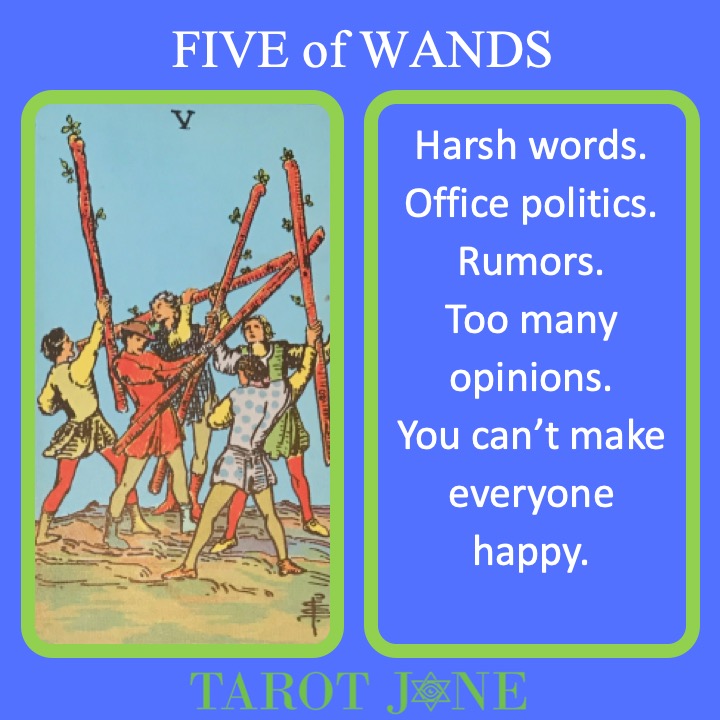
The Five of Wands is part of the Minor Arcana in tarot, specifically within the suit of Wands, which represents creativity, ambition, and action. This card often depicts five individuals brandishing wands, seemingly engaged in a chaotic or competitive struggle. The imagery suggests tension, disagreement, and a lack of harmony, but it also hints at the potential for growth through conflict.
Key symbols in the Five of Wands include:
- Wands: Representing energy, passion, and conflict. The wands clash, symbolizing opposing forces or ideas.
- Clashing Figures: The five people may symbolize different perspectives, egos, or unresolved tensions.
- Background: Often a neutral or stormy sky, reflecting the emotional or mental turmoil associated with the card.
This card’s visual chaos mirrors the internal or external struggles it represents, making it a potent symbol of rage when emotions escalate without resolution.
Upright Five of Wands: Conflict and Competition
When the Five of Wands appears upright in a reading, it signals a period of conflict, competition, or disagreement. This isn’t necessarily negative—it can indicate a healthy debate or a challenge that pushes you to grow. However, if rage is a factor, the card suggests that emotions are running high, and unchecked aggression could lead to unnecessary strife.
Key themes of the upright Five of Wands:
- Competition: You may be vying for recognition, a promotion, or a personal goal. Healthy competition can be motivating, but it can also turn toxic if it stems from ego or insecurity.
- Debate and Disagreement: There might be a clash of opinions, whether in a team setting, a relationship, or even within yourself. This card encourages you to express your views but warns against letting emotions spiral into rage.
- Unresolved Tensions: Past conflicts may resurface, or you might feel stuck in a cycle of arguing without resolution. The Five of Wands urges you to address these issues head-on rather than letting them fester.
- Creative Block: Paradoxically, this card can also indicate creative tension. The struggle you’re facing might be the catalyst you need to break through a creative rut.
To harness the Five of Wands’ energy positively, focus on channeling your competitive spirit into productive outlets. Instead of letting rage dictate your actions, use the card’s energy to fuel your determination and problem-solving skills.
Five of Wands Reversed: Suppressed Rage and Internal Struggle
When the Five of Wands appears reversed, it often points to suppressed emotions, internal conflict, or a refusal to engage in necessary confrontations. Rage in this context may manifest as passive-aggressiveness, avoidance, or a simmering resentment that eventually boils over. The reversed card suggests that you’re either avoiding conflict altogether or engaging in it in unhealthy ways.
Key themes of the reversed Five of Wands:
- Unresolved Anger: You might be holding onto past grievances, letting them color your present interactions. This can lead to outbursts of rage when the pressure becomes too much.
- Passive-Aggressiveness: Instead of addressing issues directly, you or someone else might resort to subtle jabs, sarcasm, or silent treatment. This behavior often stems from fear of confrontation but ultimately fuels more frustration.
- Burnout: The reversed Five of Wands can indicate emotional exhaustion from constantly battling internal or external forces. You may feel drained by constant arguments or the need to “prove” yourself.
- Lack of Progress: Without addressing the underlying conflicts, you might find yourself stuck in the same cycles of frustration. The card warns that avoiding tough conversations will only prolong the pain.
To transform the reversed Five of Wands’ energy, practice self-awareness and communicate your feelings openly. Therapy, journaling, or even a heart-to-heart conversation can help release pent-up rage in a constructive way.

Five of Wands in Love and Relationships
The Five of Wands in a love reading can indicate a relationship filled with tension, competition, or unresolved arguments. If you’re single, it might suggest that you’re in a competitive mindset when it comes to dating, or that past relationships have left you wary of new connections. In a committed relationship, this card can signal power struggles, jealousy, or a need to assert individuality.
How to navigate the Five of Wands in relationships:
- Communicate Clearly: Avoid letting small disagreements escalate into full-blown arguments. Address issues as they arise rather than letting resentment build.
- Set Boundaries: If competition is healthy (e.g., in a playful debate), embrace it. But if it’s causing harm, establish boundaries to protect your emotional well-being.
- Re-evaluate Expectations: Are you or your partner holding onto unrealistic expectations? The Five of Wands asks you to examine whether the conflict stems from unmet needs or ego.
- Embrace Vulnerability: Sometimes, rage in relationships masks deeper insecurities. Practice vulnerability to foster deeper connections.
Five of Wands in Career and Ambition
In a career context, the Five of Wands often represents workplace conflicts, competitive environments, or the pressure to outperform others. This card can appear when you’re vying for a promotion, dealing with a difficult colleague, or feeling stifled by office politics. Rage in this setting might manifest as frustration with unfair treatment, jealousy of a coworker’s success, or a desire to “win” at all costs.
Tips for managing the Five of Wands at work:
- Focus on Collaboration: Instead of seeing colleagues as rivals, look for ways to work together. Healthy competition can motivate you, but collaboration often leads to better results.
- Channel Your Energy: If you’re feeling competitive, redirect that energy into personal growth. Take courses, seek mentorship, or set ambitious goals that are about your own progress, not just “beating” others.
- Address Toxic Behavior: If the conflict stems from a toxic work environment, the Five of Wands encourages you to stand up for yourself. Document incidents, seek HR intervention if necessary, or consider whether the workplace aligns with your values.
- Practice Patience: Not every battle is worth fighting. Learn to pick your battles and conserve your energy for what truly matters.
Five of Wands as a Lesson in Emotional Mastery
The Five of Wands isn’t just about external conflicts—it’s also a lesson in emotional mastery. Rage, when unchecked, can destroy relationships, careers, and self-esteem. This card teaches you that conflict is a natural part of life, but how you respond to it defines your growth. Instead of suppressing anger or letting it control you, use the Five of Wands as a reminder to:
- Pause Before Reacting: When emotions run high, take a step back. Breathe, reflect, and choose a response rather than a reaction.
- Express Yourself Constructively: Find healthy outlets for your frustration, whether through art, exercise, or open communication.
- Learn from Conflict: Every disagreement is an opportunity to understand yourself and others better. Ask yourself: What triggered my rage? What can I learn from this situation?
- Release the Need to “Win”: Life isn’t a zero-sum game. Sometimes, walking away from a battle is the strongest move you can make.
Conclusion
The Five of Wands is a complex tarot card that embodies the duality of conflict—it can be a destructive force of rage or a catalyst for growth and self-improvement. Whether it appears upright or reversed, in matters of the heart or the workplace, this card challenges you to confront your emotions head-on. By understanding its symbolism and applying its lessons, you can transform rage into resilience, competition into collaboration, and chaos into clarity. Remember, the goal isn’t to avoid conflict entirely but to navigate it with intention, ensuring that your reactions align with your highest good.
FAQ
What does the Five of Wands signify in a tarot reading?
The Five of Wands signifies conflict, competition, and the potential for personal growth through challenges.
How can I manage the energy of the Five of Wands?
Focus on collaboration, channel energy into personal growth, and communicate openly to address conflicts.
What does the reversed Five of Wands indicate?
The reversed Five of Wands often points to suppressed emotions, internal conflict, and avoidance of necessary confrontations.
FAQ
What does the Five of Wands signify in a tarot reading?
The Five of Wands signifies conflict, competition, and the potential for personal growth through challenges.
How can I manage the energy of the Five of Wands?
Focus on collaboration, channel energy into personal growth, and communicate openly to address conflicts.
What does the reversed Five of Wands indicate?
The reversed Five of Wands often points to suppressed emotions, internal conflict, and avoidance of necessary confrontations.
Leave a Reply