Short Answer
Welcome to your ultimate guide to the 78 Tarot cards! Whether you’re a curious beginner or a seasoned reader looking to deepen your understanding, this comprehensive breakdown will illuminate the meanings, symbols, and potential challenges each card presents. By the end, you’ll not only know the cards by heart but also how to interpret them in readings with confidence and creativity. Let’s dive in!
Understanding the Structure of the Tarot Deck
The Tarot deck is divided into two main sections: the Major Arcana and the Minor Arcana. The Major Arcana consists of 22 cards, each representing significant life themes, spiritual lessons, and archetypal energies. These cards often signify major turning points or karmic influences. The Minor Arcana, on the other hand, contains 56 cards grouped into four suits—Cups, Pentacles, Swords, and Wands—each reflecting everyday experiences, challenges, and opportunities. Together, these 78 cards form a rich tapestry of symbolism that mirrors the human journey.
The Major Arcana: Your Cosmic Roadmap
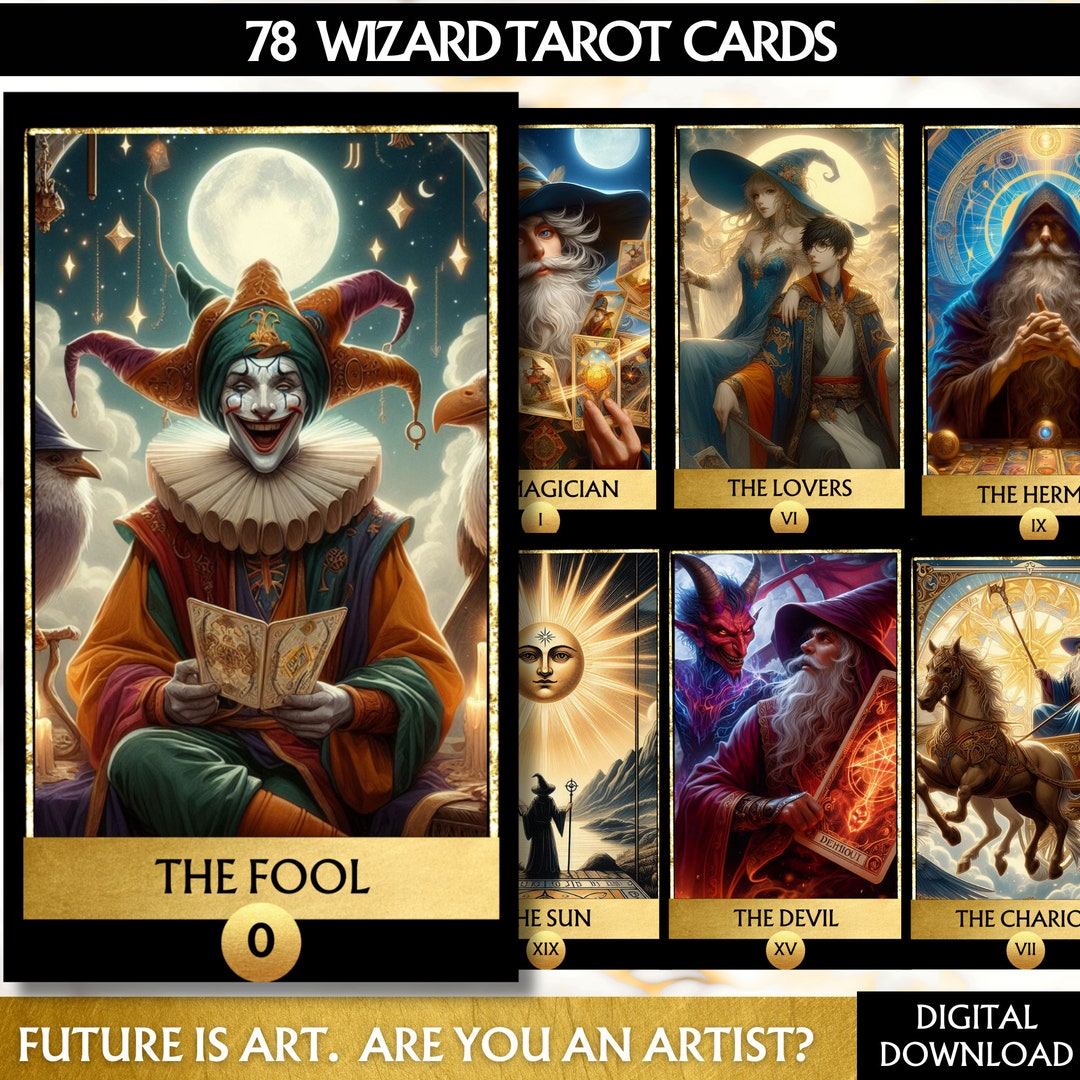
The Major Arcana cards are like chapters in a grand story, guiding you through life’s pivotal moments. Starting with The Fool (card 0), which represents new beginnings, and ending with The World (card 21), symbolizing completion and fulfillment, each card tells a part of your soul’s evolution. For example, The Magician (card 1) embodies manifestation and resourcefulness, while The High Priestess (card 2) invites you to trust your intuition. These cards often appear in readings to highlight major influences or spiritual awakenings.
Exploring the Minor Arcana: Everyday Energies Unveiled
The Minor Arcana brings the Tarot into daily life, offering insights into relationships, career, emotions, and personal growth. Each suit has its own flavor: Cups deal with emotions and relationships, Pentacles with finances and material matters, Swords with intellect and conflict, and Wands with creativity and passion. For instance, the Three of Cups celebrates joyful connections, while the Five of Pentacles signals financial struggle. Understanding these cards helps you navigate life’s ups and downs with clarity.
Interpreting Court Cards: Personalities and Energies
The court cards—Page, Knight, Queen, and King—represent people, energies, or aspects of yourself. Pages often symbolize messages or new beginnings, while Knights suggest action or movement. Queens embody nurturing or receptive energy, and Kings represent authority or mastery. For example, the Queen of Swords might reflect an independent, analytical woman, while the Knight of Wands could signal a burst of creative energy. These cards add depth to readings by highlighting the roles people play in your life or the qualities you need to embody.
Common Challenges in Reading the Tarot
While the Tarot is a powerful tool, interpreting it can be tricky. One challenge is over-reliance on guidebooks, which can stifle intuitive connections. Another is misinterpreting reversed cards—some see them as negative, while others view them as internalized or blocked energy. To overcome these hurdles, practice reading without guides and trust your gut. Ask open-ended questions and observe the imagery closely. Remember, the Tarot is a mirror, not a prediction—it reflects possibilities, not certainties.
Practical Tips for Mastering the 78 Cards
Start by familiarizing yourself with the cards one by one. Study their imagery, keywords, and traditional meanings, then observe how they resonate with your life. Pull a daily card to build intuition, or use spreads like the Celtic Cross to explore complex situations. Keep a journal to track your interpretations and notice patterns. Over time, you’ll develop a personal relationship with the deck, making readings more meaningful and insightful.
Using the Tarot for Self-Reflection and Growth
The Tarot isn’t just for fortune-telling—it’s a tool for self-discovery. Use it to explore your strengths, fears, and hidden desires. For example, pulling The Hermit might prompt you to seek solitude for introspection, while The Chariot could inspire you to take control of your goals. Ask questions like, “What energy do I need to embrace right now?” or “What lesson is this situation teaching me?” The cards can reveal subconscious patterns and guide you toward growth.

Conclusion: Your Journey with the Tarot Awaits
The 78 Tarot cards are more than just symbols—they’re a gateway to deeper self-awareness and intuitive wisdom. Whether you’re drawn to the Major Arcana’s cosmic themes or the Minor Arcana’s everyday lessons, each card offers a unique perspective on life’s journey. Embrace the challenge of learning them, trust your intuition, and let the Tarot be your guide. With practice and an open heart, you’ll uncover layers of meaning that resonate with your soul. Happy reading!
FAQ
What are the 78 Tarot cards?
The 78 Tarot cards consist of the Major Arcana and Minor Arcana, each representing different aspects of life and personal growth.
How can I interpret Tarot cards?
Interpret Tarot cards by understanding their meanings, symbols, and how they relate to your personal experiences.
What is the difference between Major and Minor Arcana?
The Major Arcana consists of 22 cards representing significant life lessons, while the Minor Arcana includes 56 cards that reflect day-to-day experiences.
Leave a Reply