Short Answer
Welcome to a gentle introduction to tarot for young readers! This guide will help children understand the magic and meaning behind tarot cards in a way that feels fun, safe, and empowering. You’ll discover simple explanations for each card, learn how to use them for self-reflection, and uncover why tarot can be a wonderful tool for kids who are curious about stories, symbols, and their own emotions. Whether a child is drawn to tarot because of a favorite storybook character or simply loves the colorful artwork, this guide makes the journey accessible and enjoyable.
Why Kids Love Tarot: A Window into Imagination and Emotion
Many children are naturally drawn to tarot because it feels like reading a story with pictures. Each card tells a visual tale—whether it’s a knight riding a horse, a smiling sun, or a mysterious moon—inviting kids to create their own narratives. This fascination often goes deeper than just the artwork. Tarot acts as a mirror, reflecting a child’s inner world back to them in symbols they can understand. For example, the “Sun” card might remind a child of a bright day at the park, while the “Moon” card could spark thoughts about dreams and nighttime adventures. By engaging with these images, children begin to explore their feelings, hopes, and questions in a creative, non-judgmental way.
Tarot also offers a sense of control and insight. In a world where children may feel unsure about big emotions or confusing situations, tarot cards provide a structured way to process experiences. A child might pull a card like “The Star” and feel reassured about a challenge they’re facing, or see “The Magician” and feel inspired to try something new. This gentle guidance helps kids build confidence in their own intuition and decision-making.
Understanding the Basics: Simple Card Meanings for Young Readers
Tarot decks for children often feature bright, friendly illustrations and straightforward meanings. The deck is divided into two main groups: the Major Arcana and the Minor Arcana. The Major Arcana contains 22 cards that represent big life lessons, like “The Fool” (new beginnings) or “The Wheel of Fortune” (change and cycles). These cards are like the main characters in a story, guiding the reader through important themes. The Minor Arcana has 56 cards divided into four suits—Cups (emotions), Pentacles (money and work), Swords (thoughts and challenges), and Wands (creativity and energy)—each with its own simple message.
For example, the “Three of Cups” card often shows three figures dancing together, symbolizing friendship and celebration. A child might interpret this as a reminder to cherish time with friends or to share joy with others. Meanwhile, the “Five of Pentacles” card, which depicts two people in need, could prompt a conversation about helping others or asking for support when things feel tough. By learning these basic meanings, children can start to see how tarot reflects real-life situations in a symbolic way.
Using Tarot for Playful Self-Reflection and Growth
Tarot isn’t just about predicting the future—it’s a tool for self-discovery and growth. For kids, tarot can be a playful way to explore questions like “What makes me happy?” or “How can I handle a problem?” Parents or teachers can guide children by asking open-ended questions after a card is drawn. For instance, if a child pulls the “Tower” card, which shows a tall building crumbling, an adult might ask, “What’s something in your life that feels shaky right now? How can you find support?” This approach helps children connect the card’s symbolism to their own experiences without feeling overwhelmed.
Another fun activity is creating a “tarot journal” where kids draw or write about the cards they pull each day. They might describe how a card made them feel or draw a picture inspired by its message. Over time, this practice can help children recognize patterns in their emotions and build a deeper understanding of themselves. For example, if a child frequently draws the “Page of Wands,” which represents creativity and enthusiasm, they might realize they have a strong interest in art or storytelling.
Choosing the Right Tarot Deck for Kids
Not all tarot decks are created equal, especially when it comes to young readers. The best decks for children feature clear, colorful images that are easy to interpret. Some popular options include decks designed specifically for kids, such as “Tarot for Kids” by Theresa Reed and Kailey Whitman, which uses relatable illustrations and simple language. Other decks, like the “Children’s Tarot” or “Wonderful Tarot,” also offer a child-friendly approach with whimsical artwork and straightforward meanings.
When selecting a deck, look for one that resonates with the child’s interests. A child who loves animals might connect more deeply with a deck that features creatures in its illustrations, while a child who enjoys fantasy might prefer a deck with magical themes. It’s also important to choose a deck that feels sturdy and durable, as kids may handle the cards frequently. Some decks come with guidebooks that explain each card in kid-friendly terms, making it easier for children to explore on their own.

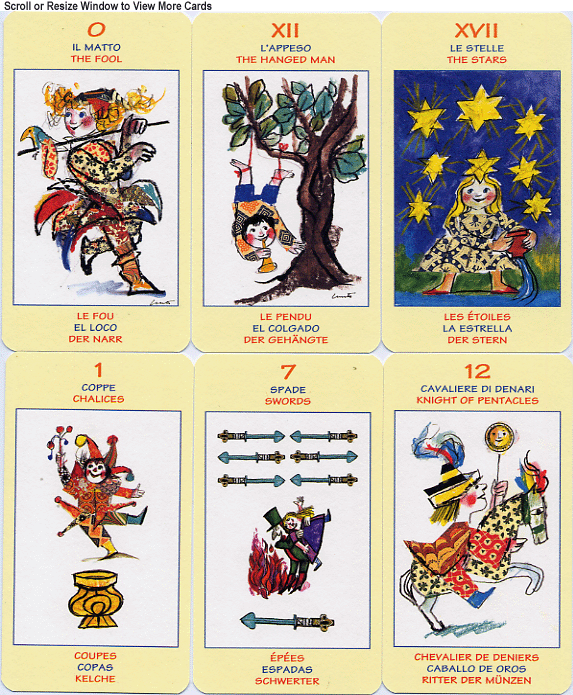

It’s also a good idea to involve the child in the selection process. Let them browse different decks and choose the one that speaks to them. This not only makes the deck feel special but also encourages a sense of ownership and excitement about using it. Some children may prefer a deck with fewer cards or simplified meanings, while others might enjoy a more traditional deck with deeper symbolism. The key is to find a balance that feels accessible and engaging for the child.
Safety and Boundaries: Tarot as a Supportive Tool
While tarot can be a wonderful tool for kids, it’s important to set healthy boundaries around its use. Tarot should never be used to predict scary or uncertain events, as this can create unnecessary anxiety. Instead, frame tarot as a way to explore feelings, ask questions, and find comfort. Parents or guardians can guide children by emphasizing that tarot is just one tool among many for understanding emotions and making decisions.
It’s also helpful to remind children that tarot cards are not magic spells or guarantees. They are symbols that reflect possibilities and feelings, not fixed outcomes. For example, drawing the “Death” card doesn’t mean someone will die—it often represents transformation or the end of one chapter in life. By clarifying these points, adults can help children use tarot in a safe and empowering way.
Additionally, encourage children to take breaks if tarot feels overwhelming. Some kids might become overly reliant on the cards for answers, so it’s important to balance tarot with other forms of self-expression, like talking to a trusted adult, drawing, or playing outside. Tarot should be a supplement to a child’s emotional toolkit, not a replacement for real-life support systems.
Conclusion
Tarot for kids is more than just a game—it’s a creative and gentle way for children to explore their emotions, build confidence, and connect with their intuition. By introducing tarot through simple meanings, playful activities, and child-friendly decks, kids can discover a tool that feels both magical and meaningful. Whether they’re drawn to the vibrant artwork, the storytelling aspect, or the chance to ask questions about their lives, tarot offers a unique pathway to self-discovery.
As children grow and change, their relationship with tarot can evolve too. What starts as a fun activity might become a lifelong practice of reflection and insight. By nurturing this journey with patience, guidance, and an open heart, adults can help children harness the power of tarot in a way that feels safe, supportive, and truly their own.
FAQ
Is tarot suitable for children?
Yes, when introduced in a gentle and supportive manner, tarot can be a fun and empowering tool for children.
How do I choose a tarot deck for my child?
Look for decks with colorful, friendly illustrations and simple meanings that resonate with your child’s interests.
Leave a Reply