Short Answer
Welcome to your comprehensive guide on understanding the reversed meanings of the Rider-Waite Tarot deck. Whether you’re a seasoned reader or just beginning your journey with the cards, this guide will help you decode the subtle messages hidden in the upside-down cards. You’ll learn how reversals invite deeper reflection, challenge your interpretations, and offer nuanced insights that go beyond surface-level meanings. By the end, you’ll see that an inverted card isn’t a sign of failure or negativity—it’s an opportunity to explore the unseen layers of your question or situation.
The Myth of “Bad” Reversals: Why Upside Down Doesn’t Mean Bad
One of the most common misconceptions about Tarot reversals is the assumption that an upside-down card automatically signifies something negative. This couldn’t be further from the truth. Reversed cards often act as mirrors, reflecting internal struggles, untapped potential, or areas requiring more attention. They can highlight delays, internal conflicts, or the need to pause and reconsider your approach. Instead of viewing reversals as ominous warnings, think of them as playful nudges from the universe, asking you to dig deeper and question your initial assumptions.
For example, the reversed Three of Cups might suggest a need to balance social connections or avoid overindulgence in celebrations. It’s not a sign that friendships are doomed—it’s a reminder to set healthy boundaries. Similarly, the reversed Tower could indicate that you’re resisting necessary change, but it’s not a prediction of disaster. It’s an invitation to embrace growth, even if it feels uncomfortable.
How Reversals Add Depth to Your Readings
Reversed cards serve as a bridge between the conscious and subconscious mind. They often reveal what’s simmering beneath the surface—unexpressed emotions, hidden motives, or suppressed truths. When a card appears upside down, it’s like a whisper from your intuition, urging you to pay attention to the details you might have overlooked. This layer of complexity makes your readings more accurate and meaningful.
Consider the Lovers card in reverse. While upright it symbolizes harmony and choices, reversed it might point to misalignment in a relationship or a decision made out of obligation rather than desire. It’s not a failure of love—it’s a call to realign your values. Reversals encourage you to ask: What am I not seeing? What am I avoiding?
Common Themes in Reversed Tarot Cards
While every card has its unique reversed meaning, some themes frequently emerge across the deck. Recognizing these patterns can help you interpret reversals more intuitively:
- Blocked Energy: Reversals often indicate stagnation or resistance. For instance, the reversed Chariot might suggest a lack of direction or inner conflict preventing progress.
- Internal Struggles: Cards like the reversed Strength or Hermit highlight self-doubt or a need for solitude to recharge.
- Delayed Outcomes: Reversals can signal that a situation isn’t ready to manifest. The reversed Ten of Pentacles, for example, might indicate financial instability or family tensions that need resolving first.
- Overindulgence or Deficiency: Reversals often show extremes. The reversed Five of Swords could warn against manipulation or unnecessary conflict, while the reversed Four of Wands might suggest a lack of celebration or community.
Pose a Playful Question: What’s the Card Trying to Tell You?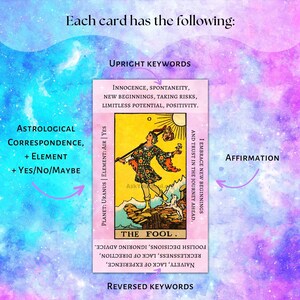
To deepen your connection with reversed cards, try this playful exercise: Flip a card and ask yourself, “If this card were a person, what would it say to me?” For example, the reversed Ace of Wands might “say,” “You’re holding back your creative fire—what’s stopping you?” This approach shifts the focus from fear to curiosity, making the reading feel like a conversation rather than a prediction.
Another fun method is to pair a reversed card with an upright one. The upright card can offer a solution or counterbalance to the reversed card’s challenge. For instance, if you draw the reversed Seven of Cups (indecision) alongside the upright Two of Pentacles (adaptability), the message might be: “You’re overwhelmed by choices, but you have the flexibility to navigate them.”
Potential Challenges and How to Navigate Them
While reversals add richness to your readings, they can also introduce challenges. One common issue is overanalyzing every upside-down card, leading to unnecessary worry. Remember, reversals are tools for insight, not omens of doom. If a reading feels overwhelming, take a step back and ask: “What’s the core message here?”
Another challenge is inconsistency in interpretations. Some readers swear by reversals, while others prefer to focus solely on upright cards. If you’re new to reversals, start by using them sparingly—perhaps only for specific questions where you need extra clarity. Over time, you’ll develop a personal style that feels authentic to you.
Practical Tips for Working with Reversed Cards
To make the most of reversed cards, keep these tips in mind:
- Trust Your Intuition: Reversals are highly subjective. Let your gut feeling guide you when interpreting them.
- Look for Patterns: If multiple reversals appear in a reading, they might point to a recurring theme, such as self-sabotage or unaddressed emotions.
- Use Keywords: Create a list of keywords for reversed cards to streamline your interpretations. For example:
- Reversed Magician: Lack of focus, manipulation, untapped potential.
- Reversed Justice: Unfairness, avoidance of accountability, imbalance.
- Journal Your Readings: Tracking reversals over time can reveal patterns in your life or recurring challenges.
Conclusion
Reversed Tarot cards are not obstacles—they’re opportunities. They invite you to slow down, reflect, and explore the nuances of your situation. By embracing reversals as playful questions rather than dire warnings, you’ll unlock a deeper layer of wisdom in your readings. Whether a card appears upright or upside down, its message is a gift, guiding you toward greater self-awareness and clarity. So the next time you draw a reversed card, smile and ask: “What’s the lesson here?”
FAQ
What does a reversed Tarot card mean?
A reversed Tarot card often signifies internal struggles, delays, or the need to reflect more deeply on a situation, rather than indicating something negative.
How can I interpret reversed cards in my Tarot readings?
Consider reversed cards as opportunities for insight. They may reflect hidden emotions or unresolved issues, encouraging deeper exploration of your questions.
Are reversed cards always negative?
No, reversed cards can provide valuable insights and highlight areas needing attention, rather than always indicating negativity.
Leave a Reply