Short Answer
Have you ever looked at a picture-perfect family scene and wondered, “What’s really going on behind those smiles?” The Ten of Cups reversed invites you to do just that. This tarot card, often associated with harmony and joy, takes on a different meaning when it appears upside down. Instead of a blissful family gathering, it may hint at hidden tensions, unrealistic expectations, or even a facade of happiness masking deeper issues. In this guide, we’ll explore what the Ten of Cups reversed truly represents, the challenges it poses, and how to navigate its messages with clarity and honesty.
Understanding the Ten of Cups Reversed
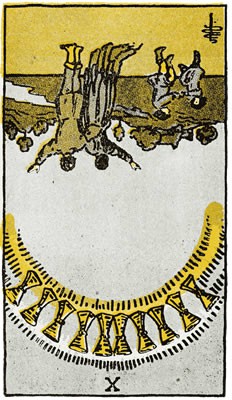
The Ten of Cups is traditionally a card of emotional fulfillment, representing happy families, strong bonds, and shared joy. When reversed, however, it flips this narrative on its head. Instead of a genuine celebration, the reversed card suggests a fake happy family—a situation where appearances don’t match reality. This could manifest in several ways: a family that puts on a united front for outsiders but struggles with internal conflicts, a relationship where one partner feels emotionally neglected, or even a personal illusion where you convince yourself everything is perfect when it’s not.
At its core, the Ten of Cups reversed asks you to question the authenticity of the happiness you see—or the happiness you’re trying to project. It’s a reminder that true fulfillment comes from honesty, not just the illusion of harmony. This card doesn’t necessarily mean your relationships are doomed; rather, it’s a call to examine whether your idea of happiness aligns with reality.
The Illusion of Perfection: Why Fake Happy Families Exist
Why do some families or relationships cling to the illusion of perfection? There are several psychological and social reasons behind this phenomenon:
- Social Pressure: Society often glorifies the nuclear family, making people feel compelled to present an idealized version of their lives. This can lead to hiding struggles behind a polished exterior.
- Fear of Judgment: Admitting that things aren’t perfect can feel risky, especially in cultures or communities where vulnerability is stigmatized. People may fear being seen as failures if they acknowledge their challenges.
- Self-Deception: Sometimes, we lie to ourselves first. If you’ve convinced yourself that everything is fine, you might ignore red flags or avoid addressing issues until they become unmanageable.
- Past Trauma: For some, the idea of a “happy family” is tied to childhood wounds. They may recreate dysfunctional dynamics because it feels familiar, even if it’s not healthy.
Recognizing these patterns is the first step toward breaking free from the illusion. The Ten of Cups reversed challenges you to ask: Am I chasing an ideal that doesn’t truly serve me or my loved ones?
Signs You’re Dealing with a Fake Happy Family
How can you tell if the happiness in your family—or your own life—is genuine or just a facade? Here are some common signs to watch for:
- Superficial Communication: Conversations revolve around surface-level topics (e.g., achievements, appearances) rather than deeper emotions or conflicts.
- Emotional Distance: Family members avoid discussing personal struggles, and conflicts are swept under the rug instead of being resolved.
- Overcompensation: Excessive displays of affection or public affection (e.g., forced hugs, exaggerated praise) may be a sign of underlying tension.
- Isolation: Family members avoid spending time together in private settings, preferring to present a united front only in public.
- Unrealistic Expectations: There’s an unspoken rule that everyone must be happy all the time, leading to guilt or shame when someone expresses dissatisfaction.
If you notice these patterns, the Ten of Cups reversed is urging you to dig deeper. Authentic relationships thrive on vulnerability, not perfection.
The Challenge Posed by the Ten of Cups Reversed
The Ten of Cups reversed doesn’t just highlight problems—it presents a challenge: Will you confront the truth, or will you keep pretending? This card forces you to face uncomfortable questions:
- Are you settling for less than you deserve? If you’re in a relationship or family dynamic where happiness feels forced, ask yourself why you’re staying. Is it out of love, fear, or habit?
- Are you enabling others’ illusions? Sometimes, we play along with the facade to avoid rocking the boat. But at what cost? The reversed Ten of Cups asks you to consider whether your silence is helping or harming the situation.
- What’s the real source of your unhappiness? Is it external (e.g., societal expectations) or internal (e.g., unresolved trauma)? Identifying the root cause is key to moving forward.
This card doesn’t offer easy answers, but it does provide a wake-up call. The challenge is to stop performing and start healing.
How to Navigate the Ten of Cups Reversed
So, what can you do when the Ten of Cups reversed appears in a reading? Here are actionable steps to bring authenticity back into your relationships:
- Start Small with Honesty: Begin by sharing your true feelings with someone you trust. This could be a friend, partner, or therapist. Vulnerability is the first step toward breaking the illusion.
- Set Boundaries: If you’re in a family or relationship where your needs are consistently ignored, it’s time to set boundaries. This might mean saying no to gatherings where you feel drained or speaking up when something bothers you.
- Challenge Perfection: Remind yourself (and others) that no family is perfect. Mistakes, conflicts, and imperfections are part of being human. Embrace them as opportunities for growth.
- Seek Support: If you’re struggling to see the situation clearly, consider talking to a therapist or joining a support group. Sometimes, an outside perspective can help you recognize patterns you’ve been overlooking.
- Redefine Happiness: The Ten of Cups reversed asks you to question what happiness truly means to you. Is it a picture-perfect life, or is it something deeper—like peace, authenticity, and mutual respect?
Case Studies: Real-Life Examples of the Ten of Cups Reversed
To bring this card to life, let’s explore a few hypothetical scenarios where the Ten of Cups reversed might appear:
- The Overachieving Family: A family where every member is expected to excel academically or professionally. Behind closed doors, there’s immense pressure, anxiety, and resentment, but no one talks about it. The Ten of Cups reversed would highlight the need to address these unspoken struggles.
- The Toxic Positivity Couple: A couple that constantly posts happy photos on social media but avoids discussing their marital issues. One partner feels lonely and unheard, while the other dismisses their feelings as “overreacting.” The reversed card would urge them to have an honest conversation.
- The Estranged Sibling: Two siblings who only interact during holidays, putting on a show of unity for their parents. In reality, they haven’t spoken in years due to unresolved conflicts. The Ten of Cups reversed would challenge them to confront their differences and decide if reconciliation is possible.
Conclusion
The Ten of Cups reversed is a powerful reminder that happiness isn’t about appearances—it’s about authenticity. Whether it’s in your family, your relationships, or your own life, this card asks you to look beneath the surface and address the real issues. It’s not about tearing down the idea of a happy family; it’s about building one that’s real, flawed, and beautiful in its imperfections.
So, the next time you see a picture-perfect family scene, ask yourself: Is this real joy, or just a carefully staged illusion? The answer might just change everything.
FAQ
What does the Ten of Cups reversed symbolize?
The Ten of Cups reversed symbolizes hidden tensions within relationships and the illusion of a perfect family, urging individuals to seek authenticity.
How can I address issues highlighted by the Ten of Cups reversed?
To address these issues, focus on honest communication, setting boundaries, and redefining what happiness means to you.
Leave a Reply