Short Answer
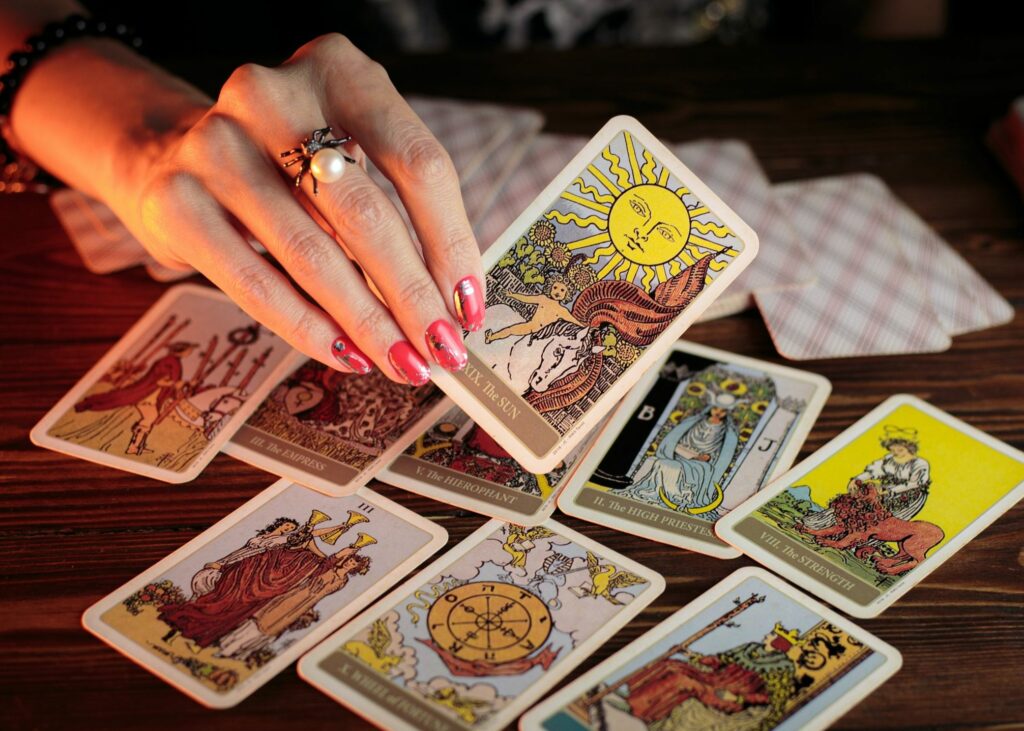
Tarot cards, though oftentimes regarded through a mystical lens, captivate the curiosity of many, including those within the Christian faith who seek to understand their implications through a biblical perspective. The symbolism and inherent meanings ascribed to tarot cards can present a substantial mise-en-scène for a shift in perspective, particularly when viewed through the prism of Christian teachings. In this discourse, we will explore the numbers corresponding to tarot cards and their interpretations, establishing a unique confluence between spiritual introspection and Christian numerology.
One must begin by contemplating the foundational nature of numbers in both tarot and Christian doctrine. Numbers convey profound meaning, not merely as quantifiers but as symbols imbued with spirituality. The significance of numbers in the Bible is well-documented; for instance, the number three symbolizes the Holy Trinity, while the number seven often represents divine completeness. Similarly, tarot assigns intricate meanings to its numbered cards, affording an opportunity to explore how these meanings might resonate with Christian beliefs.
The journey begins with the Fool, designated as number zero, symbolizing the beginning of a path and the divine potential that exists in every soul. In Christian terms, this closely aligns with the notion of ‘becoming like a child’ to enter the kingdom of heaven (Matthew 18:3). The Fool’s leap of faith embodies the necessity of surrendering oneself to divine guidance, emphasizing trust and openness—virtues echoed throughout scripture.
Transitioning to number one, The Magician summons the concept of manifestation. The Magician wields the power of creation, invoking thought and intention as instruments of divine will. This correlates with the biblical notion that God created the universe through His word, an act of divine manifestation. In this sense, The Magician not only represents potential but also the necessity of responsible stewardship of one’s gifts, akin to the parable of the talents (Matthew 25:14-30).
As we move to number two, The High Priestess embodies mystery and spiritual insight. Within Christian theology, she can be likened to figures such as Mary, the mother of Jesus, who ultimately served as the vessel for divine revelation. The High Priestess encourages one to delve into the subconscious, suggesting that communion with God often necessitates introspection and the exploration of personal intuition, echoing 1 Corinthians 2:12, which speaks to receiving spiritual truths.
The number three introduces the Empress, representative of nurturing and abundance—qualities intrinsic to God’s creation. The Empress evokes the essence of the Earthly Kingdom, reminiscent of God’s everlasting bounty as described in Genesis. Her presence invites individuals to appreciate the gifts bestowed and to extend love and compassion towards others, mirroring the Christian mandate to care for creation and community.
Next, The Emperor, number four, represents authority and structure. In Christian terms, this card can symbolize God’s sovereignty and order within the universe. It invokes an understanding of divine governance and the role of leaders as stewards under divine authority. This card teaches us that true strength is found in discernment and righteousness, encapsulating Proverbs 11:14, which reflects on wise counsel as a source of safety.
With number five, The Hierophant stands as a bridge between the divine and the mundane, symbolizing tradition and spiritual teaching. This resonates with the role of the Church, which serves as a conduit for understanding and interpreting divine law. The Hierophant encourages adherents to seek wisdom from established truths, complementing the Christian call to remain rooted in faith while navigating an ever-changing world.
As we delve into number six, The Lovers unveil the theme of union and choice. While often seen through a romantic lens, this card also embodies the intersection of divine love and personal responsibility. In Christianity, the concept of love is paramount—1 John 4:8 states that God is love. Thus, The Lovers herald a call to choose paths that align with divine love, underscoring the significance of faith-driven relationships and moral integrity.
Number seven ushers in The Chariot, a symbol of determination and triumph. Christian theology espouses perseverance as a virtue, drawing parallels to Romans 5:3-4, where tribulations yield endurance and character. The Chariot’s journey symbolizes the believer’s life, emboldened by faith to overcome adversities, instilling a sense of hope through the steadfastness of God’s promises.
In the context of number eight, Strength portrays inner courage and compassion—essential elements mirroring Christ’s teachings. This card reminds followers that true strength arises not from force but from the heart. In line with biblical admonitions to love one’s enemies (Matthew 5:44), Strength emphasizes the power found in gentleness and resolve.
Transitioning to number nine, The Hermit represents solitude and reflection. While solitude may seem daunting, it serves as an integral component of spiritual growth. The Christian faith advocates for periods of quiet contemplation, much like Jesus retreating to the wilderness for prayer. This card encourages a relationship with God that flourishes in silence, facilitating clarity and divine understanding.
Concluding our exploration is number ten, The Wheel of Fortune. This card epitomizes cycles and the divine orchestration of events, reminding believers of God’s overarching plan. It resonates with the narrative of divine providence and the unpredictable nature of life’s journey. As Ecclesiastes 3:1 reminds us, “To everything, there is a season,” The Wheel encourages acceptance of change and trust in God’s timing.
Ultimately, tarot card meanings through a Christian lens can foster a deeper understanding of self and spirituality. The integration of these interpretations piques curiosity and invites individuals to engage with their faith on a more profound level. By examining tarot numerology, one perceives not just cards but pathways to divine insight, urging a holistic exploration of faith, values, and life choices.
FAQ
What does the number zero symbolize in tarot?
The number zero, represented by The Fool, symbolizes the beginning of a journey and the divine potential in every soul.
How is the number seven interpreted in tarot?
The number seven, represented by The Chariot, signifies determination and triumph, paralleling the Christian virtue of perseverance.
Leave a Reply