Short Answer
Emotional distance in relationships can feel like a card slowly pulling away from the deck—subtle at first, but leaving a noticeable gap in its wake. Whether you’re the one creating the space or sensing it in your partner, this phenomenon is more common than you might think. In this guide, we’ll explore what emotional distance really means, why it happens, and how to bridge the gap before it grows wider. You’ll learn to recognize the signs, understand the underlying causes, and take actionable steps to reconnect. By the end, you’ll have the tools to turn silence into understanding and distance into closeness.
What Is Emotional Distance in a Relationship?
Emotional distance refers to a gradual withdrawal of intimacy, connection, and vulnerability between partners. It’s not always a sudden break but often a slow drift where one or both people start to feel more like roommates than lovers. You might notice fewer deep conversations, less physical affection, or a sense that your partner is mentally checked out. This isn’t just about arguing less—it’s about feeling like you’re sharing the same life but not the same emotional space.
Emotional distance can manifest in small ways: your partner stops asking about your day, avoids eye contact during serious talks, or seems more interested in their phone than in you. It’s the quiet before the storm, where unresolved issues simmer beneath the surface. Unlike physical absence, emotional distance is invisible but deeply felt. It leaves you questioning your connection and wondering if you’re the only one who notices the growing divide.
Why Does Emotional Distance Happen?
Emotional distance rarely appears out of nowhere. It’s often the result of deeper, unaddressed issues that accumulate over time. One common trigger is unresolved conflicts. When arguments aren’t resolved healthily, partners may start avoiding tough conversations altogether, creating a cycle of silence. Fear of vulnerability also plays a role—if one person has been hurt before, they might build emotional walls to protect themselves, even if it pushes their partner away.
External stressors, like work pressure or family problems, can also drain emotional energy, leaving little left for the relationship. Sometimes, it’s a sign of growing apart—interests change, life goals shift, and the connection that once felt effortless now requires work. In other cases, it’s a red flag for deeper issues like depression, anxiety, or even resentment that hasn’t been expressed. Ignoring these signs can turn a small gap into a canyon, making it harder to rebuild trust and closeness.
Signs You’re Experiencing Emotional Distance
Recognizing emotional distance early can prevent it from becoming a permanent rift. One of the first signs is a lack of communication. If your partner used to share their thoughts and now answers in one-word replies, it’s a warning sign. Physical affection often fades too—less hugging, kissing, or cuddling can signal emotional withdrawal. You might also notice a shift in priorities; suddenly, their work, hobbies, or even friends take precedence over spending time with you.
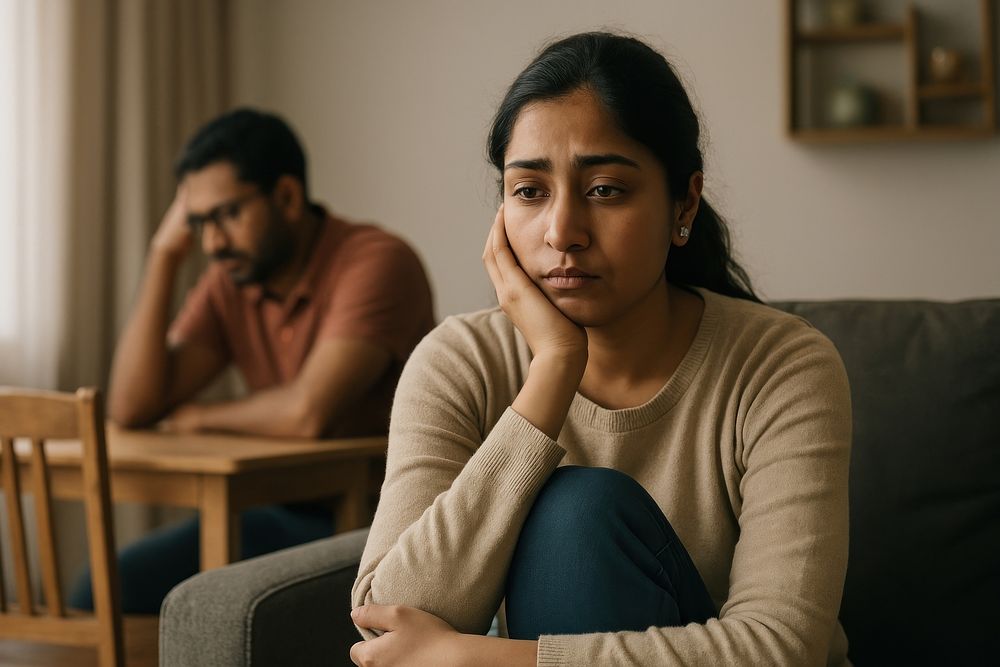
Another telltale sign is feeling lonely in the relationship. Even if you’re physically together, you might feel like you’re living parallel lives. Avoidance of deep conversations or dismissing your feelings can also indicate emotional distance. Pay attention to how you both react to conflict—do you sweep issues under the rug instead of addressing them? These patterns reveal a growing emotional chasm that needs attention before it widens.
How to Address Emotional Distance Before It’s Too Late
If you’ve noticed the signs, the next step is to take action before the distance becomes permanent. Start by initiating an honest conversation—but not during a heated moment. Choose a calm, private setting where you both feel safe to express yourselves. Use “I” statements to avoid sounding accusatory, like “I’ve been feeling disconnected lately, and I’d love to understand how you’re feeling.” This approach encourages openness rather than defensiveness.
Sometimes, emotional distance stems from unmet needs. Ask yourself (and your partner) what’s missing in the relationship. Is it quality time, emotional support, or shared goals? Small gestures can also make a difference—plan a date night, write a heartfelt note, or simply listen without trying to fix their problems. Rebuilding connection takes patience, so avoid rushing the process. If the distance feels too deep to bridge alone, consider couples therapy to explore the root causes in a neutral space.
When to Seek Help for Emotional Distance
Not all emotional distance can be fixed with a heartfelt talk. If your partner is unwilling to acknowledge the issue or consistently dismisses your feelings, it may be time to evaluate the relationship’s future. Chronic emotional unavailability, especially if it’s paired with other red flags like infidelity or contempt, suggests deeper incompatibilities. In these cases, staying won’t heal the distance—it will only prolong the pain.
Couples therapy isn’t just for crises; it can be a proactive tool to strengthen your bond. A therapist can help you both identify patterns, communicate more effectively, and rebuild trust. If your partner refuses to participate, individual therapy might help you process your feelings and decide your next steps. Remember, seeking help isn’t a sign of failure—it’s a commitment to understanding and growth.
Conclusion
Emotional distance in a relationship is like a card slowly pulling away from the deck—it starts as a small gap but can grow into something much larger if left unchecked. Recognizing the signs early, understanding the root causes, and taking intentional steps to reconnect are key to bridging the divide. Whether it’s through open communication, small gestures, or professional support, the goal is to turn silence into understanding and distance into closeness.
If you’re the one feeling distant, ask yourself what’s really holding you back. If you’re on the other side of the gap, reach out with patience and empathy. Relationships require effort, but the reward—a deeper, more fulfilling connection—is worth every step. Don’t let emotional distance become the story of your relationship. Instead, use it as a turning point to write a new chapter of closeness and trust.
FAQ
What is emotional distance?
Emotional distance refers to the gradual withdrawal of intimacy and connection between partners.
What causes emotional distance in relationships?
Common causes include unresolved conflicts, fear of vulnerability, and external stressors.
How can emotional distance be addressed?
Initiating honest conversations, understanding unmet needs, and seeking couples therapy are effective ways.
Leave a Reply