Short Answer
Welcome to this comprehensive guide where we explore the meanings of The Devil and The Fool across different contexts. Whether you’re interested in tarot card interpretations, biblical symbolism, or Reddit discussions, this article will provide detailed insights into these powerful archetypes. By the end, you’ll understand their significance in spirituality, psychology, and modern culture.
The Devil Tarot Meaning: A Deep Dive into Shadow and Bondage
The Devil card in tarot represents bondage, materialism, and the shadow self. It often symbolizes unhealthy attachments, toxic relationships, or self-imposed limitations. When this card appears in a reading, it may indicate a need to break free from destructive patterns or confront inner demons.
Key themes associated with The Devil include:
- Addiction: Whether to substances, behaviors, or people, The Devil highlights dependencies that control your life.
- Illusion: It may reveal deceptions—either self-deception or being misled by others.
- Power dynamics: Relationships where one party exerts excessive control over another.
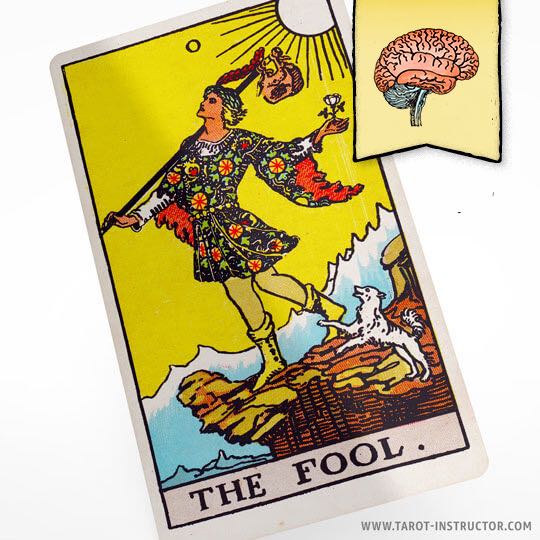
In contrast to The Fool’s innocence, The Devil embodies stagnation and fear. It challenges you to recognize when you’re trapped by your own choices and to seek liberation.
The Fool Tarot Meaning: Embracing New Beginnings and Adventure
The Fool card is the first in the Major Arcana, symbolizing spontaneity, optimism, and uncharted journeys. It represents a leap of faith—whether in love, career, or personal growth. Unlike The Devil’s cautionary tale, The Fool encourages risk-taking and trust in the unknown.
Common interpretations of The Fool include:
- Innocence: A beginner’s mindset, free from cynicism or overthinking.
- Potential: The blank slate of possibilities before you.
- Mistakes: Learning through experience, even if it means falling.
When The Fool appears, it’s a sign to trust your instincts and embrace change. However, it also warns against naivety—balance optimism with awareness.
Biblical Meaning of a Fool: Wisdom vs. Folly in Scripture
In biblical terms, a “fool” isn’t someone lacking intelligence but someone who rejects divine wisdom. Proverbs frequently contrasts the fool (who scoffs at morality) with the wise (who seeks God’s guidance). Key verses include:
- Proverbs 1:7: “The fear of the Lord is the beginning of knowledge, but fools despise wisdom and instruction.”
- Proverbs 14:16: “The wise fear the Lord and shun evil, but a fool is hotheaded and yet feels secure.”
Biblical fools often:
- Act impulsively without considering consequences.
- Mock righteousness or spiritual truth.
- Suffer due to their own poor choices.

Unlike tarot’s The Fool, the biblical fool is a cautionary figure—one who must repent or face ruin. This duality shows how archetypes evolve across cultures.
Reddit Discussions: The Devil and The Fool in Modern Contexts
Reddit hosts vibrant debates about these archetypes, blending ancient symbolism with contemporary issues. For example:
- r/occult: Users analyze The Devil card as a metaphor for societal traps (e.g., consumerism, social media addiction).
- r/Bible: Threads dissect biblical fools, linking them to modern political or religious extremism.
- r/tarot: Readers share personal stories where The Fool appeared during major life transitions.

These discussions highlight how timeless symbols adapt to modern struggles, from mental health to ethical dilemmas.
Comparing The Devil and The Fool: Key Differences
While both cards deal with human nature, their energies are opposites:
| Aspect | The Devil | The Fool |
|---|---|---|
| Energy | Binding, fearful, materialistic | Freeing, hopeful, exploratory |
| Lesson | Break free from chains | Trust the journey |
| Biblical Parallel | Rebellion against God | Childlike faith (e.g., Matthew 18:3) |
Understanding these contrasts helps you navigate life’s challenges—knowing when to release toxic ties (The Devil) and when to leap into the unknown (The Fool).
Practical Applications: How to Use These Archetypes
Incorporate these meanings into daily life:
- For self-reflection: Journal about areas where you feel “devilishly” stuck (e.g., procrastination, toxic habits).
- For decision-making: Draw a tarot card when facing uncertainty—The Fool may urge action, while The Devil warns of risks.
- For spiritual growth: Study biblical fools to identify blind spots in your own moral compass.
Online tools like tarot apps or Bible commentaries can deepen your exploration.
Conclusion
From tarot to scripture to Reddit threads, The Devil and The Fool offer profound insights into human behavior and spirituality. The Devil exposes our shadows—addictions, illusions, and toxic bonds—while The Fool reminds us of our limitless potential. Together, they form a dynamic duo: one warns, the other inspires.
Use these archetypes as mirrors to examine your life. Are you trapped by fear (The Devil)? Or are you ready to embrace a new adventure (The Fool)? The choice is yours.
FAQ
What does The Devil tarot card represent?
The Devil card symbolizes bondage, materialism, and the shadow self, indicating a need to break free from destructive patterns.
What is the meaning of The Fool tarot card?
The Fool represents spontaneity, optimism, and new beginnings, encouraging trust in the journey ahead.
How are The Devil and The Fool contrasted?
The Devil embodies fear and materialism, while The Fool signifies freedom and adventure.

Leave a Reply