Short Answer
In this comprehensive guide, you’ll explore the profound symbolism of the Five of Coins in tarot, uncovering its deep connection to the scarcity mindset. You’ll learn how this card serves as a mirror to our fears, insecurities, and limiting beliefs about lack and limitation. By the end, you’ll understand not only the psychological underpinnings of scarcity but also how to transform it into abundance through actionable insights and mindset shifts. Whether you’re a tarot enthusiast, a psychology student, or someone seeking personal growth, this exploration will illuminate the hidden forces shaping your decisions and emotions.
The Five of Coins as a Mirror: Reflecting Scarcity in Our Lives
The Five of Coins often depicts two figures walking through a snowy landscape, hunched in cold isolation, with the glow of a church window in the distance—a stark contrast to their bleak surroundings. This imagery is rich with metaphor. The figures represent individuals who feel disconnected, overlooked, or abandoned, while the distant light symbolizes hope just out of reach. In the context of the scarcity mindset, this card embodies the feeling of being deprived, whether emotionally, financially, or spiritually.
Scarcity isn’t just about tangible lack; it’s a state of mind that distorts perception. When we operate from scarcity, we see the world through a lens of limitation. Every opportunity feels like a risk, every resource feels insufficient, and every challenge feels insurmountable. The Five of Coins challenges us to recognize these patterns—not to dwell in them, but to acknowledge their presence so we can begin the work of shifting our perspective.

The Psychology Behind Scarcity: Why We Cling to Lack
Scarcity mindset is rooted in cognitive biases that prioritize short-term survival over long-term growth. Psychologist Abraham Maslow’s hierarchy of needs highlights how fear of deprivation can hijack our decision-making. When basic needs—safety, belonging, esteem—feel threatened, our brain shifts into a defensive mode, prioritizing protection over exploration. This is where the Five of Coins becomes a psychological tool: it forces us to confront the stories we tell ourselves about lack.
Consider the phenomenon of loss aversion, a concept from behavioral economics. People tend to fear losses more than they value gains, which leads to hoarding behavior, resistance to change, and an inability to take calculated risks. The scarcity mindset thrives in this environment. It whispers that there isn’t enough to go around, that competition is fierce, and that generosity is a luxury we can’t afford. Yet, this mindset is a self-fulfilling prophecy—it creates the very conditions it fears by narrowing our focus to what’s missing rather than what’s possible.
Five Key Manifestations of the Scarcity Mindset
To harness the wisdom of the Five of Coins, it’s essential to recognize its manifestations in daily life. Here are five common ways scarcity shows up:
- Financial Anxiety: Believing that money is always scarce, leading to overspending, undersaving, or chronic stress about bills. The fear of not having enough can drive irrational financial decisions, like avoiding investments or clinging to jobs that no longer serve us.
- Relationship Scarcity: Feeling that love, attention, or friendship is limited, which can result in jealousy, people-pleasing, or pushing others away out of fear of abandonment. This often stems from childhood experiences or past betrayals that left emotional wounds.
- Opportunity Scarcity: Assuming that success is a zero-sum game where only a few can win. This can manifest as procrastination, self-sabotage, or an unwillingness to collaborate, all under the guise of “playing it safe.”
- Time Scarcity: The belief that time is running out, leading to burnout, multitasking, or an inability to enjoy the present moment. This mindset often arises from societal pressures to “do more, faster,” leaving little room for rest or reflection.
- Resource Scarcity: Feeling that skills, knowledge, or support are limited, which can stifle creativity and innovation. For example, someone might hoard information at work to maintain a sense of control, even when sharing could benefit the team.
Breaking Free: Transforming Scarcity into Abundance
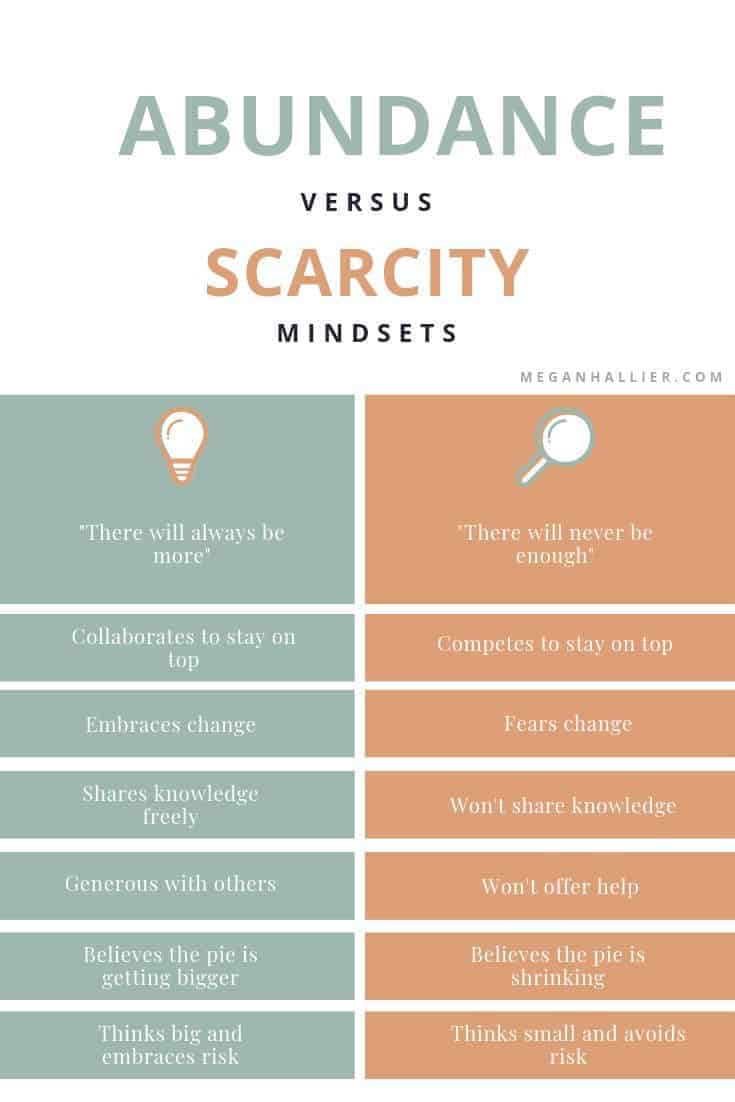
The Five of Coins isn’t just a warning; it’s an invitation to rewrite our internal narrative. Transformation begins with awareness—recognizing when scarcity is dictating our choices. From there, we can employ strategies to cultivate an abundance mindset, where opportunities are seen as plentiful and challenges are viewed as growth opportunities.
One powerful technique is reframing. Instead of asking, “What if I don’t have enough?” ask, “What if there’s more than I realize?” This shift in language opens the door to possibility. For instance, if you’re hesitant to negotiate a raise due to fear of rejection, reframe the situation: “What if my skills are valuable, and this conversation could lead to a mutually beneficial outcome?”
Another strategy is gratitude practice. Scarcity thrives in a vacuum of appreciation. By regularly acknowledging what you already have—whether it’s relationships, health, or small daily wins—you train your brain to notice abundance. Studies show that gratitude rewires neural pathways, reducing stress and increasing resilience. Start a gratitude journal or simply take a moment each day to reflect on three things you’re thankful for.
Collaboration is also key. Scarcity often isolates us, but abundance is magnified through connection. Share your resources, whether it’s knowledge, time, or support. For example, if you’re a freelancer worried about client scarcity, consider partnering with others in your field to offer bundled services. This not only expands your offerings but also builds a support network.
The Role of Community: How Shared Abundance Dispels Scarcity
Human beings are wired for connection, yet scarcity mindset often convinces us that we must compete for resources. The Five of Coins reminds us that this is a false dichotomy. True abundance isn’t about having more than others; it’s about creating systems where everyone can thrive. Communities—whether local, professional, or digital—play a crucial role in this shift.
Consider the concept of co-opetition, where businesses or individuals collaborate even while competing. For example, two restaurants in the same neighborhood might partner to host a food festival, drawing more customers to both. This approach leverages shared abundance rather than zero-sum scarcity. On a personal level, this could look like joining a mastermind group, participating in skill-sharing workshops, or simply being open to mentorship.
Community also provides a safety net. When we feel supported, the fear of scarcity diminishes. For instance, someone struggling financially might hesitate to ask for help due to shame, but in a supportive community, sharing needs becomes an act of strength rather than weakness. This collective mindset shifts the focus from “I must have it all” to “We can figure this out together.”
Conclusion: Embracing the Light Beyond the Snow
The Five of Coins is a powerful symbol of the scarcity mindset, but it’s also a beacon. It doesn’t just highlight what’s lacking; it points to what’s possible when we choose to step into the light. Scarcity is a story we tell ourselves, and like all stories, it can be rewritten. The journey from lack to abundance begins with a single question: “What if I’m wrong about what’s possible?”
As you move forward, remember that transformation isn’t linear. There will be days when scarcity creeps back in, when the snow feels endless and the light feels distant. On those days, return to the lessons of the Five of Coins. Acknowledge the fear, but don’t let it dictate your actions. Instead, take small steps toward abundance—whether it’s sharing a resource, expressing gratitude, or simply choosing collaboration over competition.
The church window in the distance isn’t just a symbol of hope; it’s a reminder that abundance is always within reach, even when it’s not immediately visible. The key is to keep walking toward it, one step at a time.
FAQ
What does the Five of Coins symbolize in tarot?
The Five of Coins symbolizes feelings of scarcity, isolation, and a scarcity mindset, reflecting emotional, financial, or spiritual deprivation.
How can I transform a scarcity mindset into an abundance mindset?
Transformation can be achieved through awareness, reframing negative thoughts, practicing gratitude, and fostering community support.
Leave a Reply