Short Answer
The Seven of Swords tarot card is often associated with cunning, strategy, and sometimes deception. In this comprehensive guide, you’ll explore the deeper meanings behind this card, its symbolism, and how it manifests in different areas of life—from relationships to career choices. Whether you’re a tarot enthusiast or simply curious about the hidden layers of this card, this article will provide insights into its upright and reversed meanings, practical advice for interpretation, and real-world applications. By the end, you’ll have a clearer understanding of how the Seven of Swords can influence your decisions and relationships.
Understanding the Seven of Swords Tarot Card
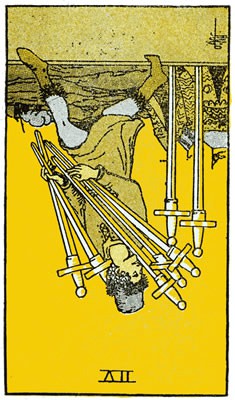
The Seven of Swords is the seventh card in the suit of Swords within the Minor Arcana of the tarot deck. It typically depicts a figure walking away from a scene while holding five swords, with two swords left behind. This imagery suggests a sense of stealth, strategy, or even dishonesty. The card often represents someone who is acting in their own self-interest, sometimes at the expense of others. However, it’s important to note that the Seven of Swords isn’t inherently negative—it can also symbolize clever problem-solving, adaptability, and the ability to think outside the box.
In a reading, the Seven of Swords may indicate that someone is being secretive or that a situation requires a strategic approach. It can also suggest that you or someone else is avoiding confrontation or taking a less direct path to achieve a goal. The key is to examine the context of the reading and the surrounding cards to fully grasp its meaning.

Symbolism and Imagery in the Seven of Swords
The Seven of Swords is rich in symbolism, each element offering clues to its deeper meaning. The figure in the card is often depicted walking away from a battlefield or conflict, holding five swords while leaving two behind. This suggests a preference for avoiding direct confrontation or taking a more subtle approach to achieve a goal. The swords themselves represent thoughts, ideas, and communication, so the act of leaving some behind may indicate a selective or strategic use of one’s mental resources.
The setting of the card is also significant. If the background shows a camp or a group of people, it may imply that the figure is leaving a community or a situation where they feel out of place. Alternatively, the absence of others could highlight independence or a desire to operate alone. The overall mood of the card is often one of quiet determination, with an underlying tension that suggests the need for caution.
Another key element is the figure’s posture and expression. If they appear tense or hurried, it may indicate guilt or unease about their actions. Conversely, if they seem confident, it could reflect a calculated move to gain an advantage. The number seven itself is associated with introspection, analysis, and strategy, reinforcing the card’s themes of planning and foresight.
Seven of Swords in Love and Relationships
In matters of the heart, the Seven of Swords can signal deception, secrecy, or a lack of transparency. If you’re in a relationship, this card may suggest that your partner is hiding something or being less than honest with you. It could also indicate that you’re the one keeping secrets, perhaps to avoid conflict or protect your own interests. Trust issues may be at play, and it’s important to address them openly to prevent further misunderstandings.
For singles, the Seven of Swords might warn against entering a new relationship too quickly without fully understanding the other person’s intentions. It’s a reminder to stay vigilant and not ignore red flags. If you’re considering rekindling an old flame, this card advises caution—past deceits could resurface. On a positive note, the Seven of Swords can also represent someone who is strategically navigating the dating world, using their wit to find the right match.
If you’re seeking advice on a relationship issue, the Seven of Swords encourages you to communicate openly and honestly. Avoid manipulation or half-truths, as they can lead to more harm than good in the long run. Instead, focus on building trust and addressing any underlying issues with clarity.
Career and Financial Implications of the Seven of Swords
In the professional realm, the Seven of Swords often points to strategic maneuvering, competition, or even unethical behavior. If you’re considering a new job or business venture, this card advises you to proceed with caution. It may indicate that someone in your workplace is acting in their own self-interest, possibly at your expense. Alternatively, it could suggest that you need to be more assertive and take calculated risks to advance your career.
Financially, the Seven of Swords can signal the need to review your spending habits or investments carefully. There may be hidden costs or risks that you’re overlooking. This card encourages you to do your due diligence before making any major financial decisions. If you’re facing a dilemma at work, such as a potential promotion or a difficult colleague, the Seven of Swords advises you to weigh the pros and cons carefully and trust your instincts.
On a more positive note, the Seven of Swords can also represent innovation and resourcefulness. If you’re working on a project that requires out-of-the-box thinking, this card is a sign that your strategic approach will pay off. Just be mindful of how your actions might affect others, as the card’s energy can be both empowering and divisive.
Seven of Swords Upright vs. Reversed: Key Differences
When the Seven of Swords appears upright in a reading, it typically signifies cleverness, strategy, and adaptability. You or someone else may be navigating a situation with a level of cunning or discretion. This card can also indicate that you’re avoiding direct confrontation, opting instead for a more indirect approach to resolve a problem. While this can be effective, it’s important to ensure that your actions aren’t causing harm to others.
In contrast, the Seven of Swords reversed often points to deception, betrayal, or a lack of transparency. If you’ve been dishonest with someone, this card serves as a wake-up call to come clean and make amends. It may also suggest that you’re feeling guilty about your actions or that someone else is not being truthful with you. The reversed Seven of Swords can also indicate poor planning or a lack of foresight, leading to unexpected setbacks.
Another interpretation of the reversed Seven of Swords is that you’re overthinking a situation or being overly secretive. This can create unnecessary stress and strain your relationships. The card advises you to embrace honesty and open communication to avoid misunderstandings. If you’re feeling stuck, the reversed Seven of Swords encourages you to take a step back and reassess your approach.

How to Interpret the Seven of Swords in a Reading
Interpreting the Seven of Swords in a tarot reading requires careful consideration of the surrounding cards and the specific question or situation at hand. Start by examining the position of the card—whether it’s in the past, present, or future—to understand the timeline of events. If the Seven of Swords appears in the past, it may indicate that someone acted deceptively or that you used strategy to overcome a challenge. In the present, it could suggest that you’re currently navigating a situation with caution or that you need to be more transparent with someone.
When the Seven of Swords appears in the future position, it may warn you to prepare for potential deception or to adopt a more strategic approach to achieve your goals. Pay attention to the other cards in the spread, as they can provide additional context. For example, if the Seven of Swords is paired with the Three of Cups, it might indicate a betrayal within a social circle. If it’s accompanied by the Six of Wands, it could suggest that your strategic efforts will lead to success.
It’s also helpful to consider the elemental associations of the Seven of Swords. As part of the suit of Swords, this card is linked to the element of air, which governs intellect, communication, and ideas. This reinforces the card’s themes of planning, deception, and mental agility. By understanding these connections, you can gain a deeper appreciation for the nuances of the Seven of Swords in your readings.
Conclusion
The Seven of Swords is a complex and multifaceted tarot card that invites you to explore themes of strategy, deception, and adaptability. Whether it appears upright or reversed, this card encourages you to examine your actions and motivations with honesty and clarity. In relationships, it advises you to prioritize trust and open communication, while in career and financial matters, it urges you to approach decisions with caution and foresight.
By understanding the symbolism and interpretations of the Seven of Swords, you can navigate life’s challenges with greater awareness and confidence. Remember that this card isn’t inherently negative—it’s a reminder that sometimes, a little cleverness and strategy can go a long way. However, it’s essential to balance your actions with integrity and consideration for others. Whether you’re using the Seven of Swords to guide your decisions or simply exploring its deeper meanings, this card offers valuable insights into the power of the mind and the importance of thoughtful planning.
FAQ
What does the Seven of Swords represent?
The Seven of Swords represents themes of cunning, strategy, and potential deception, indicating the need for careful consideration in various situations.
How should I interpret the Seven of Swords in a reading?
Interpreting the Seven of Swords requires examining the surrounding cards and the context of the reading, focusing on themes of strategy and caution.
Leave a Reply