Short Answer
Are you standing at the edge of a career crossroads, feeling the pull of something new but held back by fear or uncertainty? The Fool Career isn’t just about quitting your job—it’s about embracing a bold shift in perspective, one that sees risk not as danger but as opportunity. In this guide, you’ll discover how to transition from the familiar to the unknown with confidence, curiosity, and a playful mindset. You’ll learn why quitting can be the most strategic move you make, how to prepare mentally and financially, and what to expect when you take the leap. By the end, you’ll see quitting not as failure, but as the first step toward a life and career that truly excites you.
The Fool’s Mindset: Why Quitting Can Be Your Greatest Strategy
At the heart of The Fool Career lies a radical idea: quitting isn’t defeat—it’s a declaration of independence. The traditional career path rewards persistence, but it often traps people in roles that drain their energy without fulfilling their purpose. The Fool flips this script by embracing uncertainty as fertile ground for growth. This mindset sees every “failure” as feedback, every detour as a lesson, and every risk as a chance to discover what truly matters.

Consider the stories of those who left stable jobs to start businesses, travel, or pursue creative passions. Many report feeling a surge of creativity and clarity after quitting. Why? Because fear of the unknown forces us to focus on what’s essential. When you remove the safety net of routine, you’re forced to ask: What do I really want? What am I willing to sacrifice for it? This shift in perspective can reveal hidden strengths and passions you never knew you had.
Think of The Fool as a playful explorer, not a reckless gambler. The goal isn’t to quit impulsively but to approach the decision with curiosity and intentionality. Ask yourself: What would I do if I weren’t afraid? What kind of work would make me lose track of time? The answers might surprise you—and they could be the first step toward a career that feels less like a job and more like a calling.
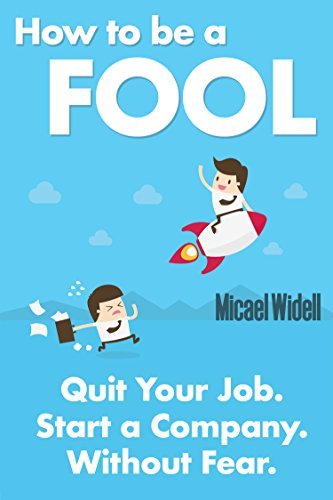
Preparing for the Leap: Practical Steps Before You Quit
Quitting without a plan can lead to chaos, but quitting with intention can lead to transformation. The key is preparation—both mental and financial. Start by auditing your current situation. How much do you need to live comfortably for six months to a year? This isn’t about hoarding money; it’s about creating a buffer that buys you time to explore without panic. Calculate your essential expenses and aim to save enough to cover them, even if your income drops temporarily.
Next, assess your skills and passions. What do you enjoy doing that could translate into income? This doesn’t mean you need a fully formed business plan—just a clear idea of how you might monetize your strengths. For example, if you love writing, could you freelance? If you’re great at organizing, could you offer consulting services? The goal is to identify low-risk ways to test your ideas before going all-in.
Networking is another critical step. Reach out to people who’ve made similar transitions. Ask about their challenges, successes, and regrets. You’ll find that most people are happy to share their stories—especially if you approach the conversation with genuine curiosity. These connections can also lead to unexpected opportunities, like collaborations or job leads in fields you’re exploring.
Finally, consider a phased approach. Can you reduce your hours at your current job? Take on a side project? Use vacation time to test-drive your new path? Small steps can help you build confidence and clarity before making the big leap. Remember, The Fool Career isn’t about burning bridges—it’s about building new ones with intention.
Navigating the Unknown: What to Expect After Quitting
Once you’ve taken the leap, the real adventure begins. The first few weeks or months might feel exhilarating, terrifying, or both. You might question your decision, doubt your abilities, or feel overwhelmed by the freedom. This is normal. The Fool Career thrives in this space of discomfort because it’s where growth happens.
One of the biggest surprises is how quickly you adapt to change. Humans are remarkably resilient, and what feels like a crisis in the moment often becomes a catalyst for reinvention. You might discover talents you didn’t know you had—like negotiating, marketing, or problem-solving—because necessity forces you to learn. Embrace the chaos as part of the process. Every misstep is a lesson, and every challenge is an opportunity to refine your path.
Another common experience is the shift in identity. When you leave a job, you’re not just leaving a role—you’re leaving a part of your self-definition. This can feel disorienting, especially in a society that ties self-worth to productivity. Combat this by exploring new ways to define yourself. Maybe you’re a “learner” now, or an “explorer,” or a “creator.” Let your new path shape your identity, rather than the other way around.
Social dynamics might change too. Some friends or family might not understand your decision, especially if they value stability over exploration. This is where The Fool’s mindset comes in handy. Stay open to their concerns, but don’t let their doubts derail your vision. Seek out communities—online or offline—of people who share your curiosity and ambition. These connections can provide the encouragement and accountability you need to keep moving forward.

Turning Passion into Purpose: Building a Career That Excites You
The ultimate goal of The Fool Career isn’t just to quit—it’s to create a life and work that excite you. This means moving beyond the idea of a “dream job” and toward a “dream life.” What does that look like? It could be a portfolio career, where you juggle multiple passions, or a single pursuit that feels like play. The key is to focus on alignment over perfection.
Start by identifying what energizes you. What activities make you lose track of time? What topics could you talk about for hours? These clues point to your passions. Next, explore how you can monetize them. This might mean starting small—like offering a service, creating content, or selling a product—and scaling up as you gain confidence. Remember, your first attempt doesn’t have to be your last. Many successful careers are built through iteration and experimentation.
Don’t underestimate the power of community in this phase. Surround yourself with people who inspire you, challenge you, and hold you accountable. Join mastermind groups, attend workshops, or participate in online forums related to your interests. These connections can provide feedback, opportunities, and the motivation to keep going when progress feels slow.
Finally, embrace the journey. The Fool Career isn’t about arriving at a destination—it’s about the transformation that happens along the way. You might pivot, change directions, or discover new passions. That’s the beauty of it. Every step, whether forward or sideways, is part of the adventure. Trust the process, stay curious, and let your curiosity guide you.
Conclusion
The Fool Career is more than a trend—it’s a mindset shift that challenges the status quo and invites you to redefine success on your own terms. By embracing uncertainty, preparing intentionally, and navigating the unknown with curiosity, you can turn quitting into a powerful act of self-discovery. Remember, the goal isn’t to escape responsibility but to take ownership of your life and career in a way that feels authentic and fulfilling.
If you’re standing at the edge of this decision, ask yourself: What’s the worst that could happen if I take the leap? And what’s the best that could happen if I stay where I am? The answers might just surprise you. The Fool Career isn’t for the faint of heart, but for those willing to embrace the unknown, it offers a path to a life that’s rich with possibility, purpose, and joy.

FAQ
What is 'The Fool Career'?
The Fool Career refers to embracing uncertainty and taking bold steps in one’s career, viewing quitting not as failure but as a strategic move towards personal fulfillment.
How can I prepare for quitting my job?
Preparation involves auditing your financial situation, assessing your skills and passions, networking, and possibly taking a phased approach to leaving your job.
What should I expect after quitting?
Expect a mix of exhilaration and doubt, and be prepared for personal growth and discovery as you navigate through the challenges of your new journey.
Leave a Reply