Short Answer
In this guide, you’ll explore the profound symbolism behind the infinity sign (∞) and its connection to IV in the Tarot deck. You’ll uncover the deeper meanings, historical roots, and practical applications of these symbols in divination and spiritual practices. Whether you’re a seasoned Tarot reader or a curious beginner, this article will illuminate how the concept of infinity weaves through Tarot imagery and what it reveals about life’s endless cycles, choices, and transformations.
The Infinity Sign: A Symbol of Eternal Cycles
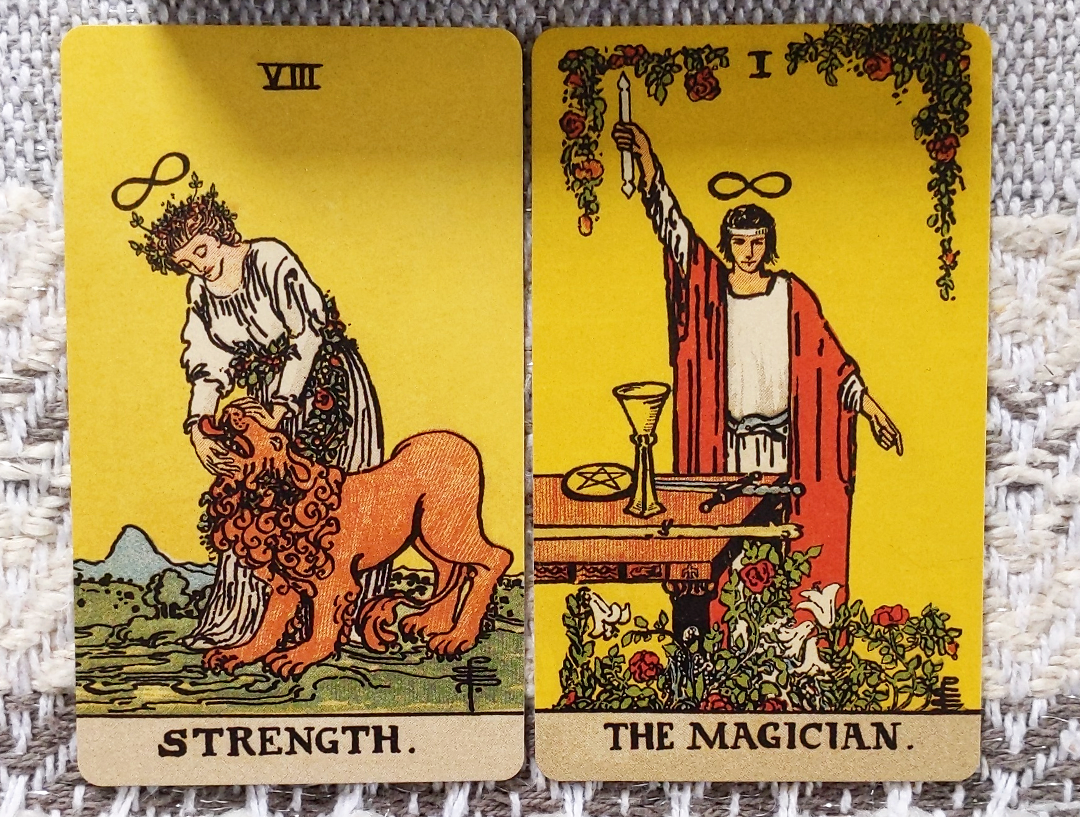
The infinity sign (∞), a horizontal figure-eight loop, is one of the most recognizable symbols in mathematics, spirituality, and philosophy. It represents boundlessness, eternity, and the cyclical nature of existence. In Tarot, this symbol often appears in cards that deal with time, transformation, and the interconnectedness of all things. The loop has no beginning or end, mirroring the continuous flow of life, death, and rebirth—a concept deeply embedded in many spiritual traditions.

Visually, the infinity sign can be seen in the Wheel of Fortune (Card X), where the wheel itself suggests an unending cycle of change. The card’s imagery—often depicting a wheel with figures ascending and descending—reinforces the idea that life’s events are part of a larger, perpetual motion. This aligns with the Tarot’s emphasis on the cyclical nature of fate and free will, where every end is a new beginning.
Beyond its visual representation, the infinity sign also speaks to the duality of existence. It embodies the balance between opposing forces—light and dark, creation and destruction, joy and sorrow. In Tarot readings, this duality is a reminder that challenges and blessings are part of the same continuum, and embracing both is essential for growth.
IV in the Tarot: The Emperor’s Rule and Structure
In the Tarot deck, the number IV (4) holds significant weight, particularly in the Major Arcana. The Emperor (Card IV) is the archetypal figure associated with this number, embodying authority, structure, and the establishment of order. Unlike the infinity sign’s fluidity, the Emperor represents the tangible, structured aspects of life—governance, discipline, and the frameworks that shape reality.
The Emperor’s throne, often adorned with rams’ heads (symbolizing Aries and assertive energy), sits atop a barren mountain, a stark contrast to the lush landscapes of other cards. This imagery underscores his role as a builder and a ruler, someone who imposes order on chaos. In a Tarot reading, the Emperor can indicate a need for structure, leadership, or a reminder to take control of one’s life with wisdom and strategy.
Yet, the Emperor’s presence also hints at the tension between freedom and constraint
The Emperor’s presence also hints at the tension between freedom and constraint. While his structured approach brings stability, it can also feel restrictive if taken to an extreme. This duality mirrors the infinity sign’s balance—where order and chaos, structure and spontaneity, must coexist. The Emperor teaches that true mastery comes from understanding when to enforce boundaries and when to allow flow, much like the infinite loop that contains both beginnings and endings.

The Intersection of Infinity and IV: Eternal Order and Transformation
The fusion of the infinity sign and the number IV in Tarot reveals a profound interplay between eternal cycles and structured growth. While the infinity sign represents the endless flow of time and experience, the number IV grounds this concept in the tangible world of rules, systems, and tangible progress. Together, they suggest that while life may feel cyclical and boundless, our actions within those cycles shape our reality.
Consider the Four of Cups, a Minor Arcana card associated with the number IV. This card often depicts a figure sitting under a tree, seemingly disinterested in the three cups offered to him while a fourth cup hovers in the air. The imagery evokes a sense of stagnation or apathy, but it also hints at the infinite possibilities that lie beyond the immediate moment. The figure’s detachment may be a pause in the cycle—a moment to reflect before choosing a new path. Here, the infinity sign’s potential is mirrored in the card’s message: even in stillness, transformation is brewing.
Similarly, the Four of Pentacles illustrates the tension between holding on and letting go. The figure clutches four coins tightly, symbolizing security but also rigidity. The infinity sign’s loop reminds us that clinging too tightly to material or emotional attachments can disrupt the natural flow of life. The card encourages a balance—enjoying stability without fearing change, much like the Emperor’s structured rule balanced with the Wheel of Fortune’s inevitable shifts.

Why Are These Symbols So Fascinating? The Deeper Reasons
The enduring fascination with the infinity sign and the number IV in Tarot stems from their ability to encapsulate universal human experiences. The infinity sign resonates because it speaks to our innate desire to understand the unending nature of life—why we are here, what happens after, and how our choices ripple through time. It’s a symbol that transcends cultures, appearing in ancient alchemy, Hinduism (as the serpent Ouroboros), and modern physics (as the concept of a closed timelike curve in cosmology).
Meanwhile, the number IV and its association with the Emperor taps into our need for control and meaning. In an unpredictable world, the idea that we can impose order—whether through discipline, planning, or leadership—is deeply comforting. Yet, the Tarot also reminds us that this control is an illusion if we ignore the cyclical nature of existence. The Emperor’s rigid structure is only as strong as the wisdom behind it; without adaptability, even the most solid frameworks can crumble.
This duality explains why these symbols are so compelling: they offer both stability and mystery. The infinity sign reassures us that life’s challenges are part of a larger, meaningful pattern, while the number IV gives us the tools to navigate those patterns with intention. Together, they create a narrative that is both empowering and humbling—a reminder that we are both the architects of our lives and participants in an infinite dance.
Conclusion
The infinity sign and the number IV in Tarot are more than just symbols; they are gateways to understanding the deeper rhythms of life. The infinity sign invites us to embrace the cyclical, boundless nature of existence, while the number IV grounds us in the practicalities of structure, discipline, and growth. Together, they form a powerful duality that reflects the human experience—balancing chaos with order, freedom with responsibility, and endings with new beginnings.
Whether you encounter these symbols in a Tarot reading or simply reflect on their meanings, remember that they are not static concepts but dynamic forces. The infinity sign teaches that life is a continuous loop, while the Emperor reminds us that within that loop, we have the power to shape our path. By integrating both perspectives, you can navigate life’s cycles with greater awareness, wisdom, and purpose.
FAQ
What does the infinity sign represent in tarot?
The infinity sign represents boundlessness, eternity, and the cyclical nature of existence, reflecting themes of transformation and interconnectedness in tarot.
What is the significance of the IV card in tarot?
The IV card, associated with The Emperor, signifies authority, structure, and the establishment of order in one’s life.
Leave a Reply