Short Answer
Welcome to a deep exploration of The Fool Keen—a concept that transcends mere definition to become a living metaphor, a philosophical lens, and a cultural touchstone. In this guide, you’ll uncover the intricate layers of meaning behind “The Fool,” dissect its symbolic resonance across literature, mythology, and modern media, and discover why this archetype continues to captivate minds across centuries. Whether you’re a student of symbolism, a lover of storytelling, or simply curious about the power of metaphor, this journey will illuminate the unique appeal of The Fool Keen and its enduring relevance in human thought.
The Fool as a Living Metaphor: Beyond the Surface
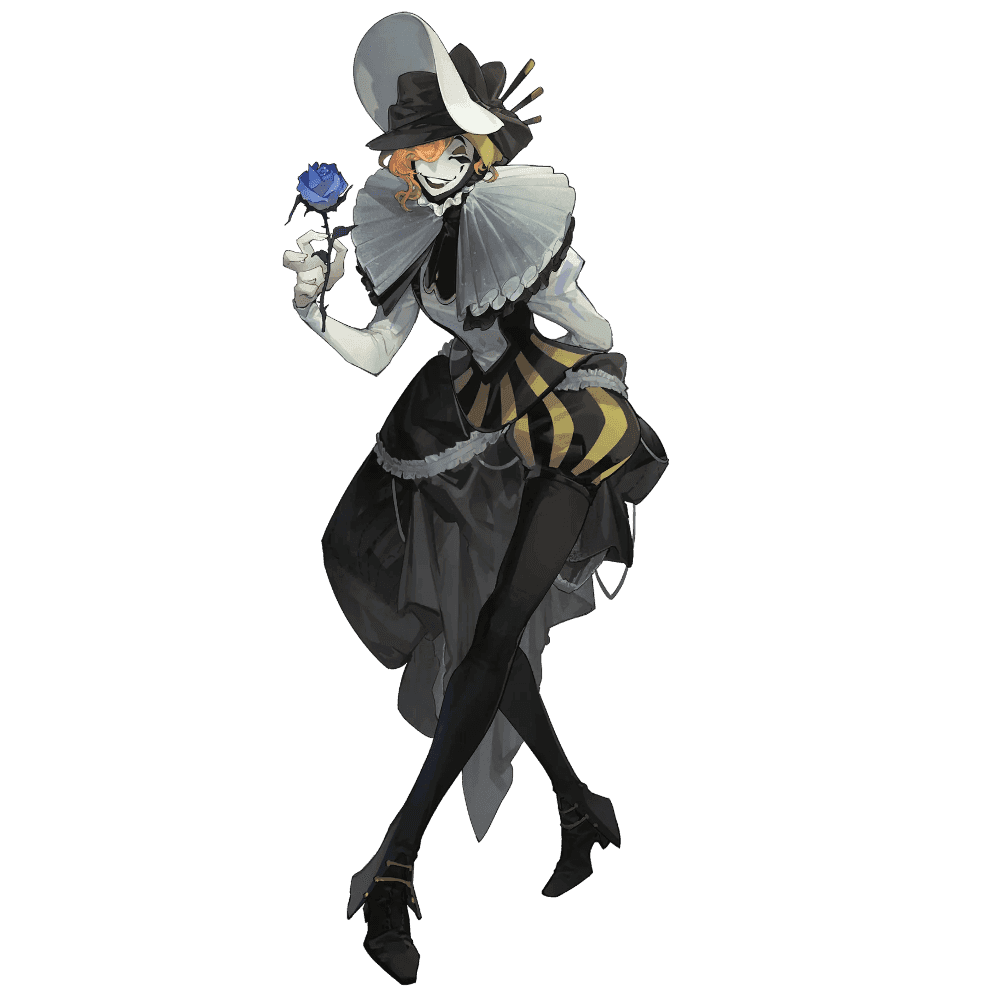
The Fool is far more than a character in a deck of cards or a figure in a tarot spread—it is a dynamic metaphor that embodies the tension between ignorance and wisdom, chaos and order, and the uncharted path of discovery. At its core, The Fool represents the beginning of a journey: unburdened by experience, unshackled by convention, and open to the unknown. This archetype is not about foolishness in the pejorative sense but about the courage to leap before looking, to trust intuition over dogma, and to embrace the vulnerability that comes with growth.
Consider the Fool in the context of the Major Arcana in tarot. Positioned at the very start of the journey, The Fool symbolizes potential, spontaneity, and the first step into the unknown. It is the blank slate upon which the rest of the tarot’s narrative unfolds—a reminder that every great adventure begins with a single, often reckless, decision. This metaphor extends beyond tarot into literature, where fools often serve as the catalysts for transformation, challenging the status quo and exposing the folly of rigid thinking.
The Language of The Fool: Words That Resonate
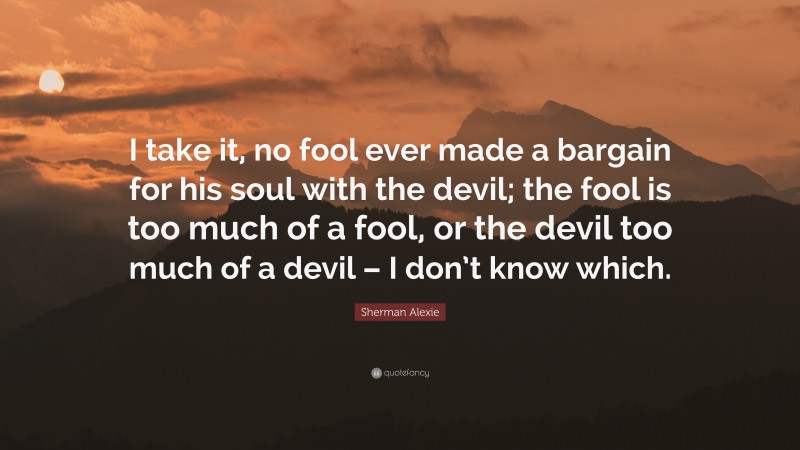
Language is the vessel through which The Fool’s metaphor is transmitted, and few quotes capture its essence as poignantly as Sherman Alexie’s reflection: “I take it, no fool ever made a bargain for his soul with the devil.” This line is a masterclass in paradox, juxtaposing the Fool’s perceived recklessness with the idea of a calculated, even Faustian, exchange. It suggests that the Fool’s journey is not one of blind folly but of deliberate, if unconventional, choices—choices that may involve risking everything for the sake of truth or transformation.
The phrase “bargain for his soul” carries weight, implying that The Fool’s actions are not frivolous but deeply consequential. It hints at the idea that wisdom often emerges from the ashes of poor decisions, and that the path to enlightenment is paved with the lessons of failure. This duality—between folly and profundity—is what makes The Fool such a compelling figure in storytelling and philosophy. It challenges us to reconsider our definitions of success and failure, urging us to see the value in the detours and dead ends of life’s journey.
The Fool in Myth and Legend: A Timeless Archetype
To understand The Fool Keen, we must trace its roots through the annals of myth and legend. In J.R.R. Tolkien’s Middle-earth, for instance, the figure of the Hobbit—particularly the Took lineage—embodies many traits of The Fool. Hobbits, with their love of comfort and aversion to adventure, are the antithesis of heroic archetypes. Yet it is Bilbo Baggins, a seemingly ordinary Hobbit, who becomes the catalyst for the quest to reclaim the Lonely Mountain. His journey begins with hesitation and ends with unexpected courage, mirroring The Fool’s arc from naivety to wisdom.
The Took family, known for their boldness and adventurous spirit, further reinforces this connection. They represent the Fool’s willingness to embrace the unknown, even when it defies convention. This archetype is not confined to fantasy; it appears in folklore worldwide, from the trickster figures of Native American tales to the court jesters of medieval Europe, who often spoke truth to power in ways that the wise could not. The Fool, in these contexts, is a disruptor—a figure who exposes the absurdity of rigid systems and invites change.

The Fool’s Unique Appeal: Why We’re Drawn to the Edge
What is it about The Fool that makes it so universally compelling? The answer lies in its paradoxical nature. The Fool is both a warning and an invitation—a cautionary tale about the dangers of recklessness, and simultaneously, a celebration of the courage to take risks. This duality speaks to a fundamental human experience: the tension between safety and growth. We are drawn to The Fool because it reflects our own struggles with fear, doubt, and the desire to break free from the constraints of our comfort zones.
In modern culture, The Fool manifests in characters like Ferris Bueller, who defies authority with charm and wit, or in the archetype of the “underdog” who triumphs against all odds. These figures resonate because they embody the hope that even the smallest, most unlikely among us can change the world. The Fool’s appeal is also tied to its role as a mirror. When we encounter The Fool in stories or art, we are forced to confront our own biases, assumptions, and fears. Are we the Fool, blindly stumbling through life? Or are we the ones who fail to recognize the wisdom in foolishness?
Moreover, The Fool represents the power of naivety. In a world obsessed with expertise and specialization, The Fool reminds us that fresh perspectives and unfiltered curiosity are invaluable. Children, artists, and innovators often embody this spirit, approaching problems with a beginner’s mind that allows for breakthroughs where experts see only dead ends. This is the essence of The Fool Keen—the idea that true wisdom sometimes begins with asking the simplest, most “foolish” questions.
Conclusion: The Fool as a Guide to Life’s Journey
The Fool Keen is more than an archetype; it is a philosophy, a guide, and a mirror. It teaches us that life’s most transformative moments often come not from careful planning, but from leaps of faith—moments when we choose to trust the unknown over the known. Whether encountered in the pages of a tarot deck, the lines of a poem, or the adventures of a Hobbit, The Fool challenges us to embrace our vulnerabilities, to question our assumptions, and to find wisdom in the most unexpected places.
In a world that often rewards caution and punishes failure, The Fool serves as a vital counterbalance. It reminds us that growth requires risk, that truth is often found in the margins, and that the path to enlightenment is not a straight line but a winding road filled with detours and surprises. So the next time you find yourself hesitating at the edge of a new beginning, ask yourself: Are you the Fool? And if so, what leap will you take?
FAQ
What is the significance of The Fool in tarot?
The Fool is the card that marks the start of the tarot journey, symbolizing unlimited potential and the willingness to step into the unknown with faith and openness.
How does The Fool archetype appear in mythology and literature?
It appears as trickster figures, jesters, or unconventional heroes who challenge norms, inspire change, and embody wisdom through seeming folly.
Why is The Fool’s journey important in personal growth?
Because it represents embracing vulnerability and uncertainty, encouraging individuals to take risks that lead to self-discovery and transformation.
Leave a Reply