Short Answer
This guide explores the enigmatic figure of Hermes Trismegistus and the profound influence of Hermeticism, a philosophical and esoteric tradition that has captivated minds for centuries. You’ll discover the origins of Hermetic thought, its core principles, and why it continues to fascinate scholars, mystics, and seekers of wisdom. By the end, you’ll understand the deeper reasons behind its enduring allure and its relevance in modern esoteric practices.
The Origins of Hermes Trismegistus
Hermes Trismegistus, often depicted as a fusion of the Greek god Hermes and the Egyptian god Thoth, is a legendary figure in esoteric traditions. Ancient texts describe him as a sage, philosopher, and master of divine knowledge, credited with writing the Corpus Hermeticum, a collection of philosophical and spiritual treatises. These writings, believed to date back to the early centuries of the Common Era, blend Greek philosophy, Egyptian mysticism, and early Christian thought, creating a unique spiritual framework.
The name “Trismegistus” translates to “thrice-great,” reflecting his revered status as a master of multiple disciplines—alchemy, astrology, theology, and philosophy. While historical evidence of his existence remains elusive, Hermes Trismegistus serves as a symbolic figure representing the synthesis of ancient wisdom traditions. His teachings emphasize the divine origin of the universe, the interconnectedness of all things, and the path to spiritual enlightenment through gnosis, or direct knowledge of the divine.
Core Principles of Hermeticism
Hermeticism is built upon a set of foundational principles that guide its philosophical and spiritual framework. These principles, often encapsulated in the Emerald Tablet and other Hermetic texts, serve as the bedrock of the tradition. One of the most famous is the Principle of Correspondence, often summarized as “As above, so below,” suggesting that the macrocosm (the universe) and the microcosm (the individual) are reflections of each other. This principle underpins the idea that understanding one level of reality can unlock knowledge of another.
Another key principle is the Principle of Mentalism, which posits that “All is Mind; the Universe is Mental.” This idea asserts that reality is fundamentally a mental construct, shaped by divine consciousness. It invites practitioners to explore the nature of perception, reality, and the power of thought in shaping existence. The Principle of Vibration further complements this, stating that everything in the universe is in motion and vibration, from the physical to the spiritual realms. This principle is central to practices like alchemy and energy work, where transformation is achieved through the manipulation of subtle forces.
The Principle of Polarity introduces the concept of duality—opposites such as light and dark, good and evil, are merely two sides of the same reality. This principle encourages seekers to transcend binary thinking and recognize the unity underlying apparent contradictions. Together, these principles form a cohesive worldview that emphasizes the interplay between the material and spiritual, the seen and unseen, and the individual and the cosmos.
The Hermetic Tradition and Its Evolution
The Hermetic tradition has evolved significantly over the centuries, adapting to cultural and historical contexts while retaining its core essence. During the Renaissance, Hermeticism experienced a revival, particularly through the translation of the Corpus Hermeticum into Latin by Marsilio Ficino in the 15th century. This period saw a fusion of Hermetic thought with Christian theology, as well as its influence on alchemy and early scientific inquiry. Figures like Giordano Bruno and Paracelsus integrated Hermetic principles into their work, bridging the gap between mysticism and empirical science.
In the modern era, Hermeticism has found new expressions in esoteric movements such as Theosophy, the Golden Dawn, and contemporary New Age spirituality. These traditions often reinterpret Hermetic principles in light of modern psychology, quantum physics, and holistic healing. For instance, the idea of mentalism aligns with concepts in quantum mechanics, where observation shapes reality, while the principle of vibration resonates with energy healing practices. This adaptability ensures that Hermeticism remains relevant, offering a timeless framework for exploring the mysteries of existence.

Hermetic Practices and Applications
Hermeticism is not merely a theoretical system but a living tradition with practical applications. One of the most well-known Hermetic practices is alchemy, which extends beyond the transmutation of metals to symbolize the purification and transformation of the self. Alchemical processes, such as the creation of the Philosopher’s Stone, are often interpreted as metaphors for spiritual evolution, where the practitioner undergoes a journey of inner refinement. Similarly, astrology in the Hermetic tradition is not just about predicting the future but understanding the cosmic influences that shape human destiny and consciousness.
Meditation and visualization are also integral to Hermetic practice, as they facilitate the direct experience of gnosis—the intuitive knowledge of divine truths. The Kybalion, a modern Hermetic text, emphasizes the importance of mental discipline and the mastery of thought as tools for aligning with the divine. Rituals, such as those found in the Golden Dawn tradition, incorporate Hermetic symbolism to invoke spiritual forces and awaken latent potentials within the practitioner. These practices highlight the active role of the individual in their spiritual development, encouraging a hands-on approach to esoteric wisdom.
In contemporary contexts, Hermetic principles are often applied to personal growth, creativity, and problem-solving. The idea of mentalism, for example, inspires individuals to harness the power of their thoughts to manifest desired outcomes, a concept popularized in modern “law of attraction” teachings. The principle of correspondence encourages a holistic view of life, where every action and thought has ripple effects across different levels of reality. This practical orientation makes Hermeticism accessible to those seeking to integrate its wisdom into daily life.
Why Hermeticism Continues to Fascinate
The enduring fascination with Hermeticism can be attributed to several factors, chief among them its ability to address fundamental human questions about existence, purpose, and the nature of reality. In an era where materialism often overshadows spiritual inquiry, Hermeticism offers a counter-narrative that emphasizes the sacredness of the universe and the divine potential within each individual. Its principles provide a sense of order and meaning in a chaotic world, offering a framework for understanding the interconnectedness of all things.
Another reason for its appeal is the mystery and ambiguity that surround Hermetic texts. Unlike dogmatic religious systems, Hermeticism invites interpretation and personal exploration, allowing seekers to engage with its teachings on a deeply individual level. This openness fosters a sense of autonomy and empowerment, as practitioners are encouraged to discover truths for themselves rather than accepting preordained doctrines. Additionally, the syncretic nature of Hermeticism—its blending of diverse traditions—makes it a rich and multifaceted system that resonates with those drawn to eclectic spiritual paths.
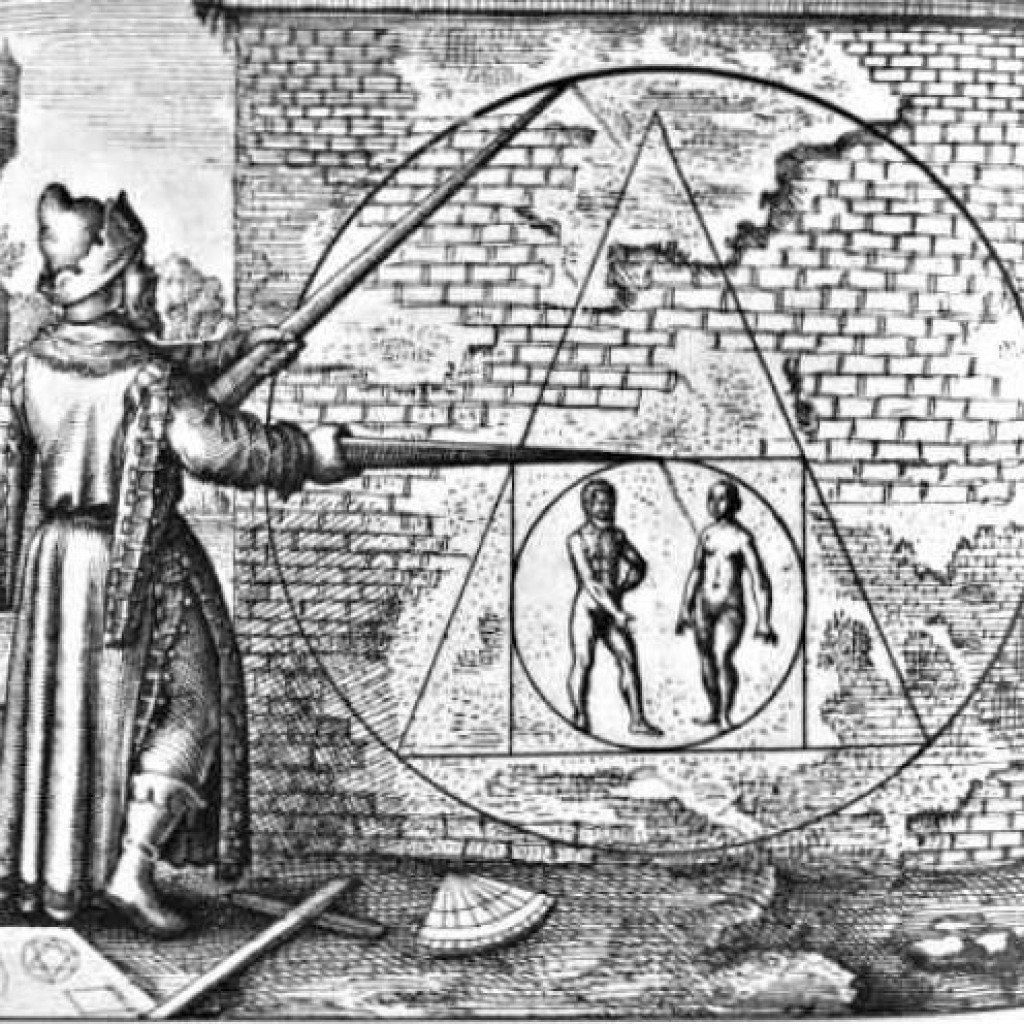
The aesthetic and symbolic richness of Hermeticism also contributes to its allure. From alchemical symbols to intricate mandalas, Hermetic imagery is visually captivating and laden with esoteric meaning. This aesthetic dimension appeals to artists, writers, and creators who find inspiration in its mystical language and iconography. Moreover, the historical and cultural significance of Hermes Trismegistus as a bridge between ancient civilizations adds a layer of intrigue, making Hermeticism a subject of both scholarly study and popular fascination.
Conclusion
Hermes Trismegistus and the Hermetic tradition represent a profound and enduring legacy of esoteric wisdom. From its ancient origins to its modern adaptations, Hermeticism offers a comprehensive framework for understanding the universe and one’s place within it. Its core principles—correspondence, mentalism, vibration, and polarity—provide a lens through which to explore the mysteries of existence, while its practical applications invite seekers to embody its teachings in their daily lives.
The fascination with Hermeticism lies not only in its historical significance but in its timeless relevance. In a world where spiritual hunger often outpaces material fulfillment, Hermeticism offers a path to deeper knowledge, self-mastery, and connection with the divine. Whether through alchemy, meditation, or the study of sacred texts, the Hermetic tradition continues to inspire those who seek to unlock the secrets of the cosmos and their own inner potential. As long as humanity grapples with questions of meaning and transcendence, the wisdom of Hermes Trismegistus will remain a guiding light on the journey of discovery.
FAQ
Who is Hermes Trismegistus?
Hermes Trismegistus is a legendary figure in esoteric traditions, often seen as a fusion of the Greek god Hermes and the Egyptian god Thoth.
What are the core principles of Hermeticism?
The core principles include Correspondence, Mentalism, Vibration, and Polarity, which guide its philosophical framework.
How has Hermeticism evolved over time?
Hermeticism has adapted through various cultural contexts, influencing movements like Theosophy and contemporary New Age spirituality.
Leave a Reply