Short Answer
Have you ever wondered why some things in life seem to go round and round, while others stand still like a well waiting to be drawn from? What if the two could meet in a playful dance of motion and stillness? In this guide, we’ll explore the fascinating world of The Well & The Wheel, a concept that blends symbolism, practicality, and a touch of whimsy. You’ll discover how these two elements have shaped cultures, inspired art, and even influenced modern storytelling. By the end, you might find yourself pondering: Can a well ever spin, or is a wheel forever rolling?
The Symbolism of the Well: Depth, Mystery, and Life
A well is more than just a hole in the ground—it’s a portal to the unseen. Historically, wells have been revered as sources of life, wisdom, and even divine connection. In many cultures, they symbolize the subconscious mind, hidden knowledge, or the mysteries of existence. Think of ancient myths where heroes descend into wells to retrieve lost treasures or gain prophetic visions. The well’s depth mirrors the layers of human experience, from the mundane to the profound.
In art and literature, wells often represent introspection or the search for truth. A well’s stillness contrasts with the chaos of the world around it, making it a perfect metaphor for moments of pause in our fast-paced lives. Have you ever stared into a well’s dark water and felt a pull, as if it were whispering secrets just beyond your reach?
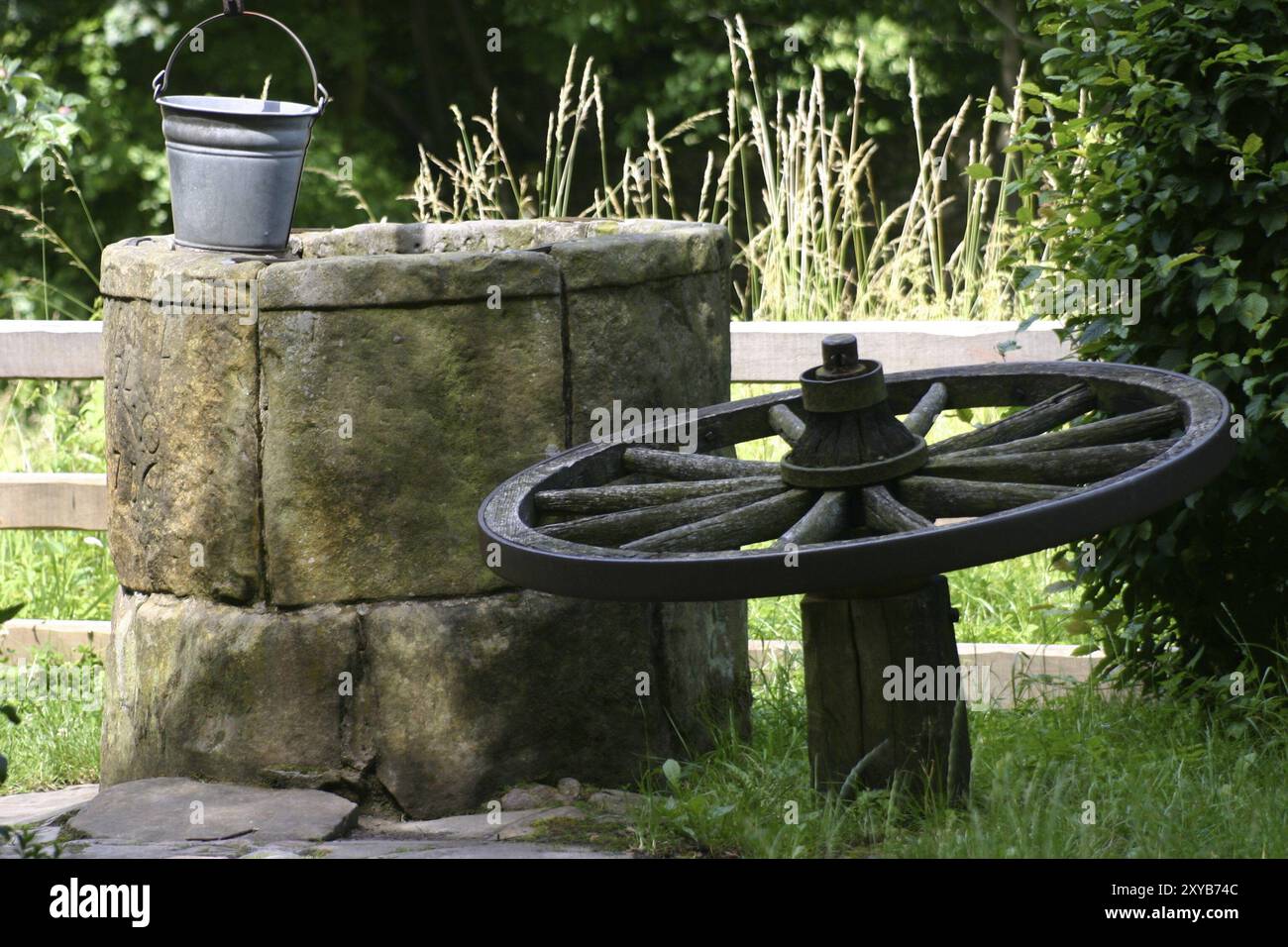
The Wheel: Motion, Progress, and the Cycle of Life
If the well represents stillness, the wheel embodies motion—endless, relentless, and transformative. Wheels have been pivotal in human progress, from the invention of the cart to the mechanics of modern machinery. They symbolize movement, change, and the passage of time. In many traditions, the wheel is a metaphor for life’s cycles: birth, growth, decay, and rebirth. The turning of a wheel can signify fate, karma, or the inevitability of change.
Consider how wheels appear in everyday life: the spinning of a Ferris wheel, the rotation of a bicycle tire, or even the turning of a page in a book. Each movement carries us forward, yet the wheel itself remains unchanged in its core purpose. This duality—constant motion with a fixed center—makes the wheel a powerful symbol of balance between dynamism and stability.
The Dance Between Stillness and Motion: Where the Well Meets the Wheel
What happens when these two opposites collide? The interplay between a well and a wheel creates a captivating narrative. Imagine a wagon wheel lowered into a well, its spokes dipping into the water below. This image blends the wheel’s motion with the well’s stillness, creating a surreal yet harmonious scene. In some cultures, this juxtaposition represents the union of opposites—masculine and feminine energies, action and reflection, or even the material and the spiritual.
This concept isn’t just poetic; it’s practical too. Ancient civilizations used wheels in wells to draw water efficiently, combining the wheel’s rotational power with the well’s depth. The wheel’s axle would turn a bucket, lifting water from the depths to the surface. This simple yet ingenious mechanism highlights how two seemingly disparate elements can work in tandem to solve real-world problems.

The Challenge: Can You Find the Well in the Wheel?
Here’s a playful challenge to test your perception: Next time you see a wheel in motion, pause and ask yourself—where is the well within it? Look for the hidden stillness in the spinning. Is it the hub, the center that remains unmoved? Or perhaps the axle, the silent anchor holding everything together? Conversely, when you encounter a well, observe how its stillness might hide a wheel beneath the surface—literally or metaphorically.
This exercise isn’t just about visuals; it’s about mindset. It encourages you to see the world through a lens of duality, where every action has a counterbalance, and every stillness holds the potential for motion. Try it during a car ride, when the wheels are turning but the road feels still. Or visit a historic well and imagine the wheels that once drew water from its depths.
The Wheel in Modern Storytelling: From Myth to Screen
The interplay of the well and the wheel isn’t confined to ancient lore—it thrives in modern storytelling. Take, for example, the TV show The Wheel, where contestants spin a giant wheel to determine their fate. The wheel’s motion drives the narrative, while the stillness of the contestants’ anticipation creates tension. Similarly, in literature, wheels often symbolize the turning points in a character’s journey, where a single decision can set everything in motion.
Artists and filmmakers leverage this symbolism to evoke emotion. A spinning wheel might represent the relentless passage of time, while a well could signify a character’s inner turmoil. By juxtaposing these elements, creators craft stories that resonate on multiple levels, inviting audiences to reflect on their own lives.
Conclusion: Embracing the Duality
The well and the wheel are more than just objects—they’re metaphors for the human experience. The well teaches us to pause, reflect, and delve into the depths of our souls, while the wheel urges us to move forward, embrace change, and find balance in motion. Together, they remind us that life isn’t about choosing one over the other but learning to dance between stillness and movement.
So the next time you pass a well or see a wheel in motion, take a moment to ponder their connection. Ask yourself: Where is the stillness in my motion? Where is the motion in my stillness? The answers might surprise you—and they might just change how you see the world.
FAQ
What does the well symbolize?
The well symbolizes depth, mystery, and introspection, often representing the subconscious mind and hidden knowledge.
What does the wheel represent?
The wheel represents motion, progress, and the cycles of life, symbolizing change and the passage of time.
How do the well and the wheel relate?
They represent the balance between stillness and motion, combining introspection with the dynamic forces of life.
Leave a Reply