Short Answer
Dreaming of tarot cards is a fascinating phenomenon that blends spirituality, psychology, and symbolism. In this guide, you’ll explore the deeper meanings behind these dreams, uncover the messages your subconscious may be sending, and learn how to interpret them for personal growth. Whether you’re a tarot enthusiast, a curious dreamer, or someone seeking self-awareness, this article will provide valuable insights into what your mind is trying to communicate.
Understanding the Symbolism of Tarot Cards in Dreams
Tarot cards in dreams often carry rich symbolism that reflects your inner thoughts, emotions, and unresolved questions. Each card represents a unique archetype or life situation, and its appearance in your dream may highlight areas of your life that require attention. For example, dreaming of the Fool card could symbolize new beginnings or a leap of faith, while the Death card might indicate transformation or letting go of the past. Paying attention to the imagery, colors, and emotions tied to the cards can help you decode their significance.
It’s also important to consider the context of the dream. Were you shuffling the cards, drawing a specific one, or observing a tarot reading? These details can provide clues about whether the dream is urging you to take action, seek clarity, or confront hidden fears. The more you familiarize yourself with traditional tarot meanings, the easier it becomes to recognize patterns in your dreams.
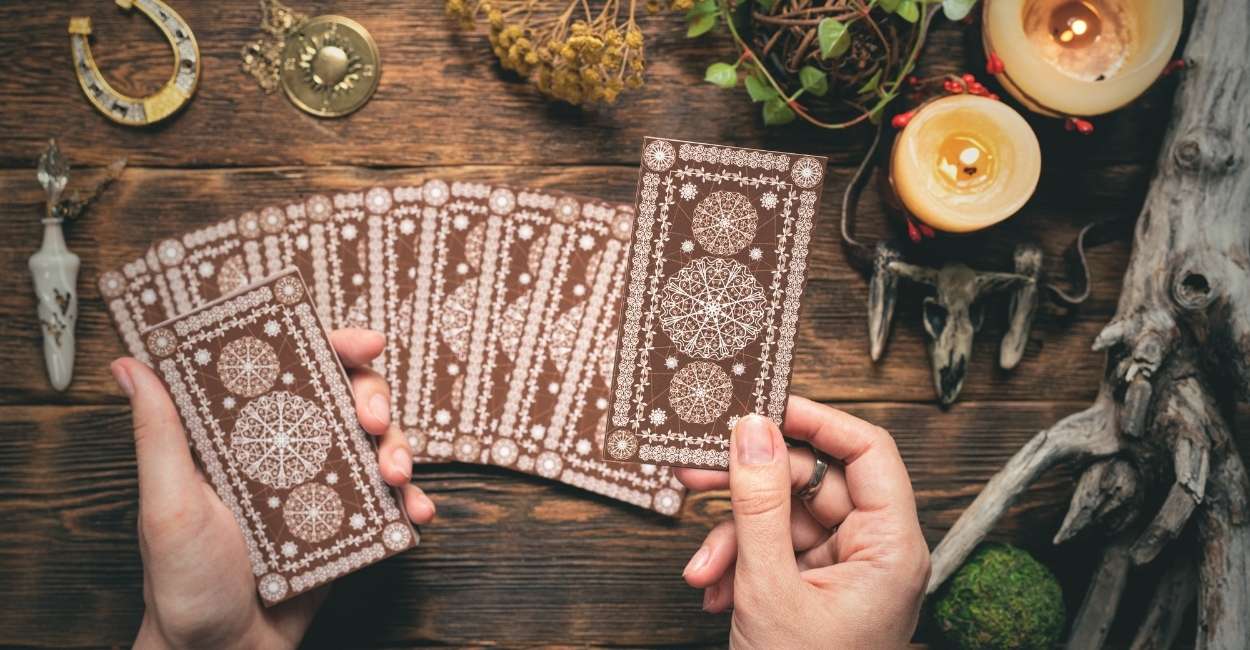
Common Scenarios of Dreaming About Tarot Cards
Dreams involving tarot cards can take many forms, each with its own interpretation. One of the most common scenarios is receiving a tarot reading in your dream. This could suggest that you’re seeking guidance or validation about a life decision. The cards drawn in the dream may reveal subconscious fears, desires, or potential outcomes. For instance, pulling the Tower card might indicate sudden change or upheaval, while the Lovers card could point to a need for harmony in relationships.
Another frequent dream involves losing or misplacing tarot cards. This may symbolize feelings of confusion, lack of direction, or fear of losing control in waking life. Alternatively, dreaming of shuffling or drawing cards repeatedly could reflect indecision or a search for answers. If you find yourself in a dream where tarot cards are being used in a ritual or ceremony, it might signify a spiritual awakening or a call to explore your intuition more deeply.
Some dreamers experience receiving unexpected or shocking tarot revelations, such as being shown the Devil card or the Ten of Swords. These dreams often surface during times of stress or when you’re grappling with difficult emotions. They serve as a reminder to examine the areas of your life where you feel trapped or defeated, encouraging you to break free from limiting beliefs.

Psychological and Spiritual Interpretations
From a psychological perspective, dreaming of tarot cards can be linked to Carl Jung’s theories of archetypes and the collective unconscious. Tarot cards themselves are deeply rooted in archetypal imagery, making them a powerful tool for exploring the subconscious. If you frequently dream about tarot, it may indicate that your mind is processing complex emotions or unresolved issues. The cards act as a bridge between your conscious and unconscious mind, bringing hidden thoughts to the surface.
Spiritually, tarot dreams are often seen as messages from higher guidance or the universe. They can serve as warnings, affirmations, or calls to action. For example, dreaming of the High Priestess might suggest that intuition and inner wisdom are guiding you, while the Magician card could be a sign to harness your skills and manifest your goals. Keeping a dream journal can help you track recurring symbols and their meanings over time, deepening your spiritual connection.
It’s also worth noting that cultural and personal associations play a role in dream interpretation. For instance, if you’ve had a strong emotional experience with a particular card, its appearance in your dream may carry a unique significance. Trusting your intuition and personal insights is key to unlocking the full message of your tarot dreams.
How to Interpret Your Tarot Dreams Effectively
Interpreting tarot dreams requires a combination of self-reflection and symbolic analysis. Start by recording your dreams in detail as soon as you wake up. Note the cards you saw, the emotions you felt, and any real-life situations that might be influencing the dream. Over time, you may notice recurring themes or cards that appear frequently, which can offer valuable clues about your subconscious patterns.
Another helpful approach is to cross-reference the tarot cards in your dream with their traditional meanings. For example, the Chariot card often represents determination and willpower, so dreaming of it might suggest that you need to take control of a situation in your waking life. If the dream felt negative, consider whether the card’s energy is being misinterpreted or if it’s highlighting an area that needs healing.
Meditation and visualization can also enhance your ability to interpret tarot dreams. Before sleep, set an intention to receive guidance or clarity through your dreams. You might even pull a single tarot card before bed and reflect on how its imagery resonates with your current life circumstances. This practice can create a stronger connection between your conscious mind and the messages your subconscious is trying to convey.
Practical Steps to Work with Tarot Dreams
Once you’ve interpreted your tarot dream, the next step is to apply its lessons to your waking life. Start by identifying any actions or changes suggested by the dream. For example, if you dreamed of the Three of Cups, which often represents celebration and friendship, you might consider reaching out to loved ones or planning a social gathering. If the dream felt unsettling, such as seeing the Five of Pentacles, it could be a prompt to address financial concerns or seek support.
Journaling is an excellent way to process tarot dreams and track their impact over time. Write down the card, your emotional response, and any insights that arise. You can also draw a card each morning to see if its energy aligns with your dream’s message, creating a cohesive narrative between your dreams and daily experiences.
For those who are new to tarot, exploring dream interpretations through guided resources or books can provide additional context. However, remember that your personal intuition is the most reliable guide. The more you engage with tarot dreams, the more attuned you’ll become to their unique language.
Conclusion
Dreaming of tarot cards is a profound experience that bridges the gap between the conscious and subconscious mind. These dreams offer a window into your inner world, revealing hidden emotions, fears, and desires through symbolic imagery. By learning to interpret the cards and their meanings, you can gain valuable insights into your life’s path and make more informed decisions. Whether you view tarot as a spiritual tool or a psychological framework, its presence in your dreams is a reminder that your subconscious is always communicating with you. Embrace these messages, trust your intuition, and allow the wisdom of tarot to guide you toward greater self-awareness and growth.
FAQ
What do tarot cards symbolize in dreams?
Tarot cards in dreams symbolize your inner thoughts, emotions, and unresolved questions, reflecting areas of your life requiring attention.
How can I interpret my tarot dreams?
Start by recording your dreams in detail, noting the cards and emotions involved, and cross-referencing with traditional tarot meanings.
Leave a Reply