Short Answer
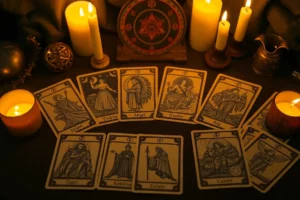
Tarot cards have long captivated the imagination of many, serving as a conduit between the mundane and the mystical. While traditionally associated with divination, the interpretation of reversed tarot cards holds particular significance. In a Christian context, understanding these meanings transcends mere curiosity and often delves into the realms of morality and spirituality. This article will dissect the implications of reversed tarot cards through a lens resonant with Christian ideals.
The fascination with reversed tarot cards may stem from their ability to uncover hidden dimensions of self. By flipping a card upside down, one invites introspection—an examination of the less savory aspects of human experience. In Christian theology, sin is a constant theme. Reversed tarot cards can parallel the concept of moral failing or spiritual disorientation, urging believers to reflect on their inner lives and the paths they navigate.
In reading tarot, the reversed cards oftentimes signify the obverse of their upright meanings. For instance, while the upright Fool card represents new beginnings and potential, its reversal may suggest recklessness, naivety, or a lack of direction. This transformation is critical for understanding how these cards influence our psyche. Much like the Biblical tales of lost sheep or wayward sons, reversed cards serve to remind believers of the importance of guidance and the need for redemption.
A specific example is the reversal of the Ten of Swords. Traditionally, this card signifies betrayal or a painful ending. When reversed, however, it could denote recovery, regeneration, or the possibility of overcoming adversity. In a Christian framework, this aligns with themes of resurrection and renewal, reflecting the belief that from suffering, one can emerge strengthened and more aligned with divine will.
The emotional turmoil often depicted through the reversal of tarot cards can be likened to the struggle between sin and grace. For Christians, grappling with the darker aspects of any situation invites growth and transformation, akin to the trials faced by figures like Job or Jonah. Each reversed card, therefore, acts as a spiritual prompt—an invitation to delve deeper into the soul’s journey and the lessons that must be learned.
Moreover, examining the role of fear within the framework of reversed tarot cards presents a fascinating dialogue with Christian teachings. Many cards, when reversed, relay messages steeped in anxiety or trepidation—such as the reversed Wheel of Fortune, which may portend misfortune or a loss of control. In Christian doctrine, fear is frequently addressed through the lens of faith. “Fear not,” as articulated in Scriptures, reminds believers to lean on a higher power when confronted with life’s unpredictability. In this regard, reversed cards can serve as both a cautionary tale and a call to deeper reliance on faith.
Additionally, the articulation of relationships and personal dynamics through reversed tarot cards offers a unique intersection with Christian values. The Two of Cups, symbolizing partnership and harmony in an upright position, when reversed, often points to miscommunication or discord. Grappling with the notion of strained relationships can lead to a fruitful discourse on forgiveness—a core tenet of Christianity. The act of reconciling differences exemplifies the process of seeking peace and actively working towards unity, inviting individuals to embody Christ-like compassion in resolving conflicts.
Each reversed card introduces a tapestry of complex emotions and scenarios that compel reflection. The thematic resonance of love, loss, and redemption surfaces, revealing the intricate relationship between suffering and enlightenment. For example, the reversed Empress, while symbolizing stagnation or dependence, challenges believers to cultivate self-empowerment and stewardship over their gifts in alignment with God’s plan.
The theological undertones present in reversed tarot readings are profound. By confronting adversity or inner turmoil depicted in these inversions, believers can embrace their frailty, calling them to forge a path toward spiritual maturity. It becomes evident that, in many respects, engaging with these reversed meanings allows Christians to navigate their faith amidst the chaos of human existence. Much like navigating the trials outlined in the New Testament, each reversal presents an opportunity for growth and spiritual enrichment.
The imperative to connect with oneself and God through the lens of reversed tarot cards unfolds layers of meaning that provoke critical questions: How can an individual rise from despair? What role does grace play in the suffering evoked by life’s circumstances? How can prayer and reflection act as transformative instruments in the face of adversity? Hence, in a vastly interconnected world woven with threads of spirituality, the exploration of reversed tarot cards provides a compelling narrative rooted in Christian understanding.
Ultimately, the discourse surrounding reversed tarot cards invites profound contemplation. Whether seen as cautionary tales of human frailty or as embodiments of divine lessons in growth, they forge a crucial dialogue between tradition and modernity. The intersection of tarot with Christian thought not only sparks curiosity but also fosters a deeper appreciation for the complexities of the human experience. Bridging such interpretations may lead individuals to acknowledge the importance of their spiritual journeys, urging them to cultivate resilience and embrace the profound mysteries of life.
FAQ
What does it mean when a tarot card is reversed?
A reversed tarot card typically signifies the opposite of its upright meaning, often indicating challenges, introspection, or hidden aspects of a situation.
How can reversed tarot cards relate to Christian teachings?
Reversed tarot cards can reflect themes of moral failing, spiritual disorientation, and the need for guidance, resonating with various Christian ideals.
Leave a Reply