Short Answer
Have you ever wondered why the wise old hermit, or sannyasi, holds such a special place in Indian culture and spirituality? In this guide, you’ll explore the deep meaning of The Hermit in Hindi—संन्यासी का अर्थ. You’ll uncover the symbolism behind the hermit’s solitude, the lessons hidden in ancient stories, and how this figure inspires both spiritual seekers and everyday life. Whether you’re drawn to philosophy, storytelling, or personal growth, this journey into the heart of the hermit’s wisdom will leave you with valuable insights.
The Hermit in Indian Tradition: A Symbol of Solitude and Wisdom
The hermit, or sannyasi, is a revered figure in Indian spirituality, often depicted as someone who renounces worldly attachments to seek higher truth. In Hindu philosophy, the sannyasi represents the final stage of life, Sannyasa Ashrama, where one focuses entirely on self-realization and detachment from material desires. This path is not about isolation for its own sake but about deep introspection and connection with the divine.
The image of the hermit meditating in the mountains or under a tree is iconic. It symbolizes purity, discipline, and the pursuit of knowledge beyond the material world. In many ancient texts, the hermit is portrayed as a guide who imparts wisdom to those who seek it, often through riddles or parables. This figure challenges us to question our own attachments and consider what truly matters in life.

What Does ‘The Hermit’ Mean in Hindi? Understanding संन्यासी
The term संन्यासी (sannyasi) comes from the Sanskrit root sannyasa, which means “renunciation.” A sannyasi is someone who has taken a vow to leave behind worldly life to focus on spiritual growth. This concept is central to Hindu philosophy, particularly in the Upanishads and the Bhagavad Gita, where it is described as a path to liberation (moksha).
In Hindi, the word carries layers of meaning. It’s not just about giving up possessions but about transcending the ego and embracing a life of simplicity and devotion. The sannyasi is often seen as a bridge between the human and the divine, living in harmony with nature and the universe. This idea resonates deeply in a culture where spirituality and daily life are often intertwined.
The Hermit in Stories: Lessons from Folklore and Mythology
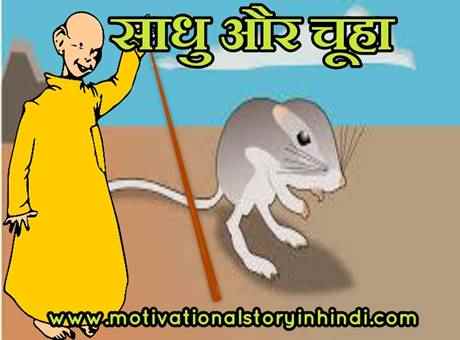
Indian folklore and mythology are rich with stories of hermits who teach profound lessons through their actions and words. One such tale is the story of the hermit and the mouse, a popular Hindi fable that illustrates the power of patience and perseverance. In this story, a hermit helps a mouse transform into a human, only to realize that true wisdom comes from accepting one’s own nature rather than forcing change.
Another well-known narrative is that of the sage Vishwamitra, who begins as a king but later becomes a hermit to attain spiritual mastery. His journey highlights the idea that wisdom is not confined to any one stage of life but is a continuous pursuit. These stories serve as metaphors for the challenges we face in our own lives—whether it’s letting go of attachments, embracing solitude, or seeking inner peace.
Through these tales, the hermit becomes more than a figure of solitude; he becomes a teacher, a guide, and a reminder that wisdom often lies in the simplest of lives.
Posing a Playful Question: What If You Were a Hermit for a Day?
Imagine waking up tomorrow and deciding to live like a hermit for just one day. What would you do? Would you wake up at dawn to meditate, spend hours in quiet reflection, or perhaps write down your deepest thoughts in a journal? The idea might seem daunting at first, but it’s a powerful exercise in self-awareness.
This playful challenge invites you to step out of your routine and experience the world from a different perspective. You might discover that solitude isn’t loneliness but an opportunity for clarity. You could find that the constant noise of daily life often drowns out the voice of your inner self—and that silence can be a gateway to understanding your true desires and fears.
Try it: Spend an hour in complete silence, away from distractions. Notice how your mind reacts. Do you feel restless, or do you find a sense of calm? This small experiment can reveal a lot about your relationship with solitude and what it means to live intentionally.
The Hermit in Modern Life: Balancing Solitude and Connection
In today’s fast-paced world, the idea of living like a hermit might seem impractical, even extreme. However, the essence of the hermit’s wisdom—introspection, detachment, and mindfulness—is more relevant than ever. Modern life often pulls us in countless directions, leaving little time for self-reflection. The hermit reminds us that it’s okay to slow down, to disconnect from the digital world, and to reconnect with ourselves.
This doesn’t mean you have to abandon your responsibilities or live in isolation. Instead, it’s about finding moments of solitude in your daily routine. Whether it’s a morning walk, a few minutes of meditation, or simply sitting quietly with a cup of tea, these small acts of solitude can recharge your mind and spirit. The hermit’s path teaches us that wisdom isn’t found in constant busyness but in the stillness between our thoughts.
Conclusion: Embracing the Hermit’s Wisdom in Your Life
The hermit, or sannyasi, is far more than a relic of ancient tradition. He is a symbol of the timeless human quest for meaning, a reminder that wisdom often lies in the quiet moments we overlook. Whether through ancient stories, philosophical teachings, or modern mindfulness practices, the hermit’s message is clear: solitude is not emptiness but a space for growth, clarity, and connection with the divine.
As you go about your daily life, consider how you can incorporate the hermit’s wisdom. Maybe it’s through a daily meditation practice, a weekend retreat in nature, or simply taking a few minutes each day to reflect. The hermit doesn’t ask you to abandon the world but to see it—and yourself—with fresh eyes.
So, the next time you feel overwhelmed by the noise of life, ask yourself: What would the hermit do? And perhaps, more importantly, what can you learn from the hermit’s quiet strength?
FAQ
What is the meaning of Hermit in Hindi?
In Hindi, the Hermit is referred to as संन्यासी (sannyasi), which means one who renounces worldly life for spiritual growth.
How does the Hermit symbolize wisdom?
The Hermit symbolizes wisdom by representing introspection, detachment, and a connection with the divine, often imparting lessons through solitude.
What modern relevance does the Hermit have?
In modern life, the Hermit serves as a reminder to find moments of solitude and mindfulness amidst the fast-paced world.
Leave a Reply