Short Answer
Have you ever wondered why some homes feel like a sacred sanctuary, radiating warmth and divine energy? What if I told you that the way you arrange your living space could invite blessings, prosperity, and spiritual harmony into your life? Welcome to the fascinating world of Puja Ghar Vastu, where ancient wisdom meets modern living. In this guide, we’ll explore the significance of a house dedicated to the divine, uncover the secrets of Vastu Shastra for your worship room, and reveal how small changes can transform your home into a haven of peace and positivity.
The Sacred Space: Why a Puja Ghar Matters
A Puja Ghar, or a dedicated worship space within your home, is more than just a corner for rituals—it’s a spiritual anchor. In Hindu tradition, the home is considered a miniature universe, and the Puja Ghar acts as the heart of this universe. It’s where you connect with the divine, seek blessings, and cultivate inner peace. Unlike a temporary altar, a well-designed Puja Ghar is a permanent space that fosters consistency in your spiritual practice. Whether you live in a sprawling villa or a compact apartment, dedicating a space to worship can elevate the energy of your entire home.
But why is this space so crucial? In Vastu Shastra, the science of architecture and design, the Puja Ghar is believed to attract positive vibrations. Placing it in the right direction—ideally the northeast corner of your home—can enhance the flow of cosmic energy, or prana. This corner is associated with the element of water, which symbolizes purity and abundance. When you align your Puja Ghar with Vastu principles, you’re not just following tradition; you’re creating a space that harmonizes with the natural forces around you.
Designing Your Divine Abode: Key Elements of a Puja Ghar
Creating a Puja Ghar that resonates with spiritual energy involves more than just placing idols on a shelf. Every element, from the direction of the room to the materials used, plays a role in amplifying its sacredness. Here’s a breakdown of the essential components:
1. Location and Direction
The ideal location for your Puja Ghar is the northeast corner of your home, as this direction is governed by Lord Shiva, the embodiment of cosmic energy. If this isn’t feasible, the north or east directions are also favorable. Avoid placing the Puja Ghar in the southwest, as this can disrupt the flow of positive energy. For those living in apartments, even a small shelf in the northeast corner of a room can suffice, provided it’s kept clean and clutter-free.
2. Idols and Deities
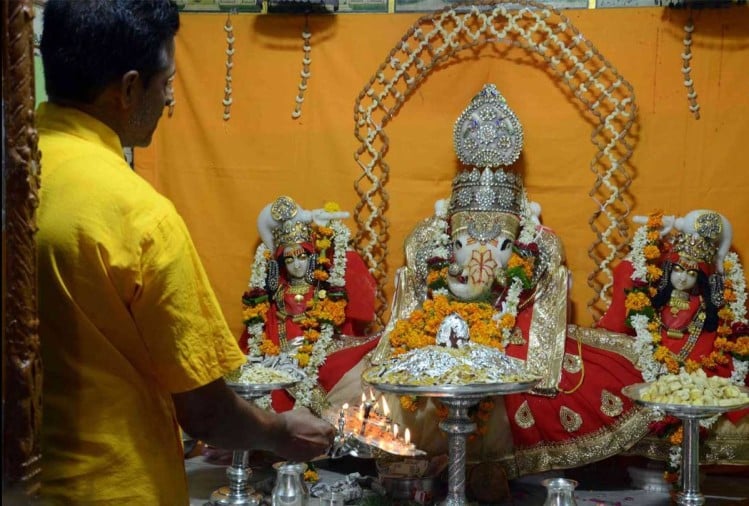
The choice of idols or images in your Puja Ghar should reflect your personal beliefs and the deities you revere. Common choices include Lord Ganesha, Lord Shiva, Goddess Lakshmi, and Lord Vishnu. It’s essential to place the idols facing east or west, as this allows the divine energy to flow outward. Avoid placing idols in the south direction, as this is associated with the element of fire and can create an imbalance. Regular cleaning and anointing of the idols with water or chandan (sandalwood paste) keeps the space energetically vibrant.
3. Colors and Materials
The colors and materials used in your Puja Ghar should evoke purity and tranquility. White, light yellow, and pastel shades are ideal, as they represent clarity and peace. Avoid dark or overly bright colors, which can create a sense of restlessness. For materials, opt for wood, marble, or brass for the altar, as these are considered auspicious. If you’re using a shelf, ensure it’s made of a natural material like teak or neem. Decorate the space with fresh flowers, diyas (oil lamps), and incense sticks to enhance the sensory experience.
4. Lighting and Ventilation
Natural light is a vital component of a Puja Ghar, as it symbolizes the presence of the divine. Ensure your worship space has ample sunlight, especially during the early morning hours. If natural light is limited, use soft, warm lighting to create a serene ambiance. Avoid harsh or flickering lights, which can disrupt the meditative atmosphere. Ventilation is equally important—keep the space well-ventilated to allow fresh air to circulate, symbolizing the free flow of divine energy.
Vastu Shastra for Puja Ghar: Do’s and Don’ts
Vastu Shastra offers a set of guidelines to optimize the energy of your Puja Ghar. While these rules are rooted in ancient wisdom, they can be adapted to modern living. Here’s a quick guide to help you create a harmonious worship space:
Do’s:
- Keep the Puja Ghar clean and clutter-free: A tidy space invites positive energy. Regularly dust the idols, sweep the floor, and remove any unnecessary items from the altar.
- Use a separate mat or carpet: Sit on a dedicated mat or carpet while performing rituals to create a boundary between the sacred and the mundane.
- Place a bell near the altar: Ringing a bell before starting your prayers purifies the space and invites divine blessings.
- Keep the Puja Ghar elevated: If possible, place the altar on a slightly raised platform to signify its importance.
Don’ts:
- Avoid placing the Puja Ghar in the bathroom or kitchen: These areas are associated with impurities and can disrupt the sacred energy of the space.
- Don’t store unnecessary items in the Puja Ghar: Keep only the essentials, such as idols, holy books, and ritual items. Avoid storing shoes, books, or other household items here.
- Avoid mirrors facing the altar: Mirrors can reflect the energy of the idols, which is considered inauspicious in Vastu Shastra.
- Don’t place the Puja Ghar under a beam: Beams are believed to create negative energy, which can affect the spiritual vibrations of the space.
The Spiritual Benefits of a Well-Designed Puja Ghar
Beyond the aesthetic appeal, a thoughtfully designed Puja Ghar offers profound spiritual benefits. Here’s how it can transform your life:
- Enhanced Focus and Concentration: A dedicated worship space minimizes distractions, allowing you to immerse yourself fully in prayer and meditation.
- Positive Energy Flow: When aligned with Vastu principles, your Puja Ghar becomes a source of positive energy, which can permeate your entire home.
- Emotional Well-being: Regularly spending time in your Puja Ghar can reduce stress, anxiety, and negativity, fostering a sense of inner peace.
- Strengthened Spiritual Connection: A sacred space acts as a bridge between the material and the divine, deepening your spiritual practice.
- Attracts Prosperity and Abundance: According to Vastu Shastra, a well-placed Puja Ghar can attract wealth, health, and happiness into your life.
Overcoming Challenges: Common Mistakes and Solutions
Even with the best intentions, creating the perfect Puja Ghar can come with challenges. Here are some common pitfalls and how to address them:
1. Limited Space
If you live in a small apartment, dedicating an entire room to a Puja Ghar may not be feasible. The solution? Use a foldable altar or a wall-mounted shelf in the northeast corner. You can also create a portable Puja kit with idols, a small mat, and essential ritual items that you can set up when needed.
2. Choosing the Right Idols
With countless deities to choose from, selecting the right idols can be overwhelming. Start with the deities you feel most connected to, such as Lord Ganesha for wisdom or Goddess Lakshmi for prosperity. You can gradually expand your collection as your spiritual practice evolves.
3. Maintaining Cleanliness
A cluttered Puja Ghar can disrupt the flow of positive energy. To keep it pristine, set aside a few minutes each day to tidy the space. Use a soft cloth to wipe the idols, and avoid placing food or other items on the altar.
4. Balancing Modern and Traditional Elements
Incorporating modern decor into a traditional Puja Ghar can be tricky. Opt for minimalist designs that complement the sacred space without compromising its spiritual essence. For example, a sleek wooden shelf with clean lines can blend seamlessly with contemporary interiors.
Conclusion
The Puja Ghar is more than just a corner of your home—it’s a sanctuary where the divine and the mundane coexist in harmony. By following the principles of Vastu Shastra and infusing your space with intention, you can create a Puja Ghar that not only enhances your spiritual practice but also transforms the energy of your entire home. Whether you’re a seasoned practitioner or a beginner, the journey to designing your divine abode begins with a single step: intention. So, light a diya, place your idols with care, and let the sacred energy flow.
FAQ
What is a Puja Ghar?
A Puja Ghar is a dedicated worship space in a home where individuals perform rituals and connect with the divine.
Why is Vastu Shastra important for a Puja Ghar?
Vastu Shastra provides guidelines to enhance positive energy in the Puja Ghar, optimizing spiritual practices.
What are the key elements to consider when designing a Puja Ghar?
Key elements include location, choice of idols, colors and materials, and ensuring proper lighting and ventilation.


Leave a Reply