Short Answer
Have you ever watched a juggler in action and wondered what deeper meanings might lie behind their dazzling display? The poems “The Judgement” and “The Juggler” invite readers to explore themes of balance, skill, and the unexpected twists life throws our way. In this guide, we’ll dissect these two poems, uncovering their symbolism, structure, and the playful yet profound questions they pose. Whether you’re a poetry enthusiast or a curious reader, you’ll find insights that challenge and inspire.
The Playful Challenge of Juggling Life’s Demands
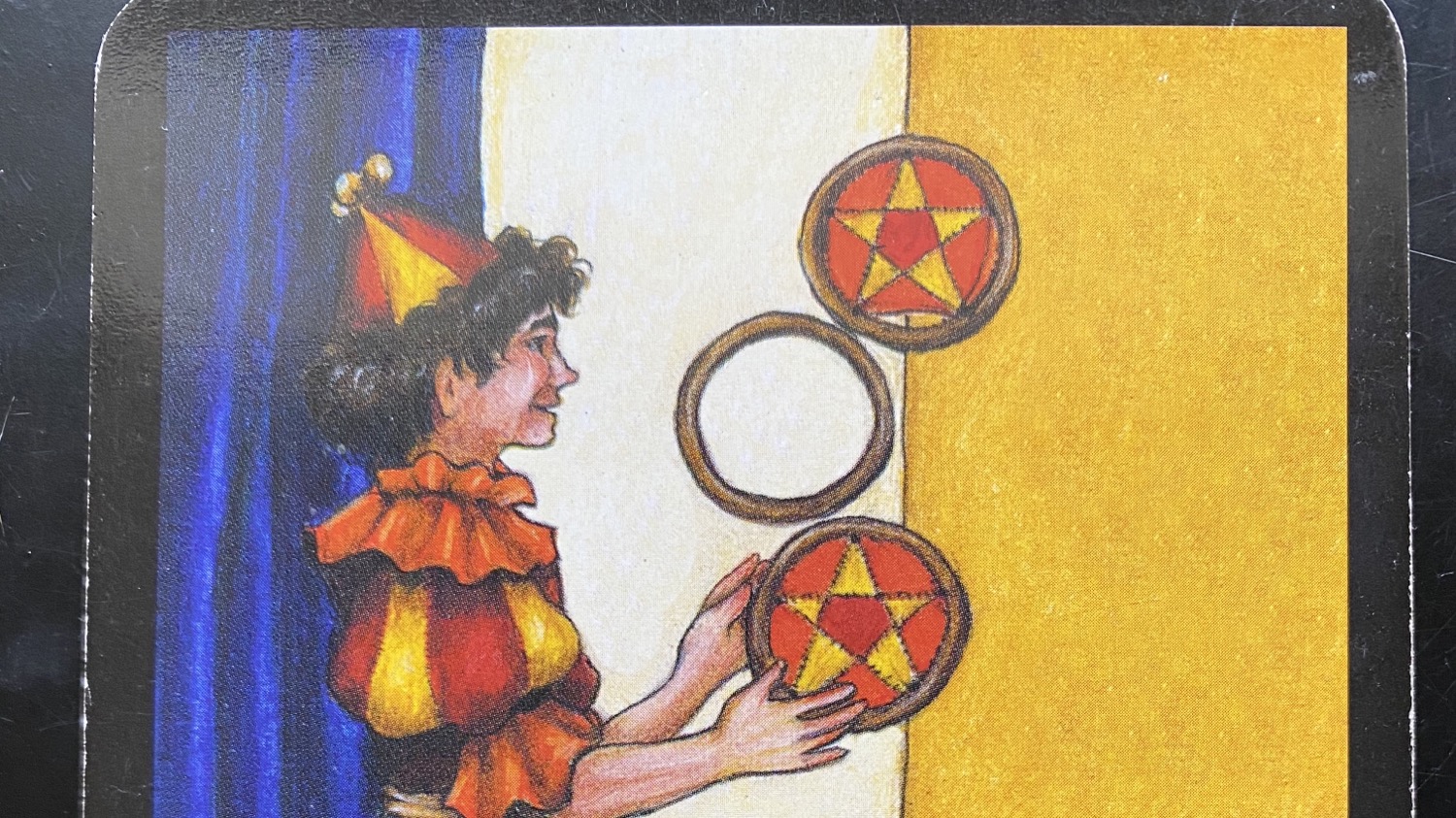
The poem “The Juggler” by Richard Wilbur presents a vivid image of a performer keeping multiple objects in the air. This act isn’t just about physical dexterity; it’s a metaphor for life’s constant balancing act. The juggler’s ability to maintain control over chaos mirrors how we navigate responsibilities, relationships, and unexpected events. Wilbur’s choice of imagery—balls, plates, and torches—each represents different facets of life that demand our attention. The poem asks: Can we, like the juggler, find harmony in the midst of disorder? The challenge isn’t just in keeping things afloat but in doing so with grace and precision.
The juggler’s performance is fleeting, much like the moments we strive to control. Wilbur’s language emphasizes movement and impermanence, reminding us that balance is temporary. Yet, the act itself is a celebration of human ingenuity. The poem doesn’t just describe a performance; it invites us to reflect on our own attempts to “juggle” life’s demands. Are we performers, too, crafting our own narratives amidst the chaos?

The Weight of Judgement and the Illusion of Control
“The Judgement” introduces a contrasting tone, where the act of balancing takes on a moral or existential dimension. Unlike the juggler’s playful display, this poem explores the burden of judgment—how we weigh our actions, others’ perceptions, and the consequences of our choices. The poem poses a critical question: Who holds the power to judge, and what happens when we internalize that judgment? The juggler’s objects are tangible, but the weight of judgment is often invisible, yet heavier.
The imagery in “The Judgement” might include scales, mirrors, or even a courtroom, symbolizing the scrutiny we face. The poem challenges the reader to consider the duality of judgment—both as a tool for growth and as a source of oppression. Are we the jugglers of our own lives, or are we subject to the judgments of others? The poem doesn’t provide easy answers but instead urges us to examine the role judgment plays in our daily lives. It’s a reminder that while we may strive for balance, the act of judging—whether of ourselves or others—can tip the scales in unexpected ways.
Structure and Style: How Form Enhances Meaning
Both poems use structure to reinforce their themes. “The Juggler” employs a rhythmic, almost musical cadence, mimicking the juggler’s movements. The stanzas flow like the objects in the air, creating a sense of motion and continuity. Wilbur’s use of enjambment—where lines spill into one another—further emphasizes the juggler’s relentless motion, as if the poem itself is in motion. This structural choice mirrors the poem’s central metaphor: life’s ongoing dance.
In contrast, “The Judgement” might use shorter, more abrupt lines to convey the sharpness of judgment. The poem’s form could reflect the finality of a verdict or the weight of a decision. The contrast between the two poems’ structures highlights their differing focuses: one on the fluidity of life, the other on the rigidity of judgment. Together, they create a dialogue about control, perception, and the human experience.
Symbolism: Objects as Metaphors for Life
The objects juggled in Wilbur’s poem are more than just props; they’re symbols of life’s complexities. A ball might represent a mundane task, a plate could symbolize a relationship, and a torch might signify a passion or responsibility. Each object’s trajectory—its rise and fall—mirrors the ebb and flow of our own priorities. The poem asks us to consider: What are the “objects” in our lives that we’re constantly balancing? And what happens when one drops?
In “The Judgement,” the symbols are less concrete but equally potent. A scale might represent fairness, a mirror could symbolize self-reflection, and a gavel might signify authority. The poem uses these symbols to explore the tension between external expectations and internal values. It challenges the reader to question who gets to judge and by what standards. Are we judging ourselves by the same criteria we use for others?
Lessons from the Juggler: Finding Balance in Chaos
The juggler’s performance is a masterclass in adaptability. When one object wobbles, the juggler adjusts, demonstrating resilience and quick thinking. This adaptability is a lesson for us all. Life rarely goes as planned, and the ability to pivot—whether in our careers, relationships, or personal goals—is invaluable. The poem suggests that balance isn’t about perfection but about persistence. Even when things fall, the juggler picks them up and starts again.
Yet, the poem also hints at the fragility of this balance. The juggler’s act is temporary, and the objects will eventually fall. This impermanence is a reminder to appreciate the moments of harmony while they last. It’s also a call to embrace the chaos, knowing that it’s part of the performance. The juggler doesn’t resist the motion; they lean into it, finding beauty in the struggle.
Conclusion: Embracing the Juggler’s Spirit
Together, “The Judgement” and “The Juggler” offer a profound exploration of life’s dualities. One poem celebrates the art of balancing, while the other confronts the weight of judgment. Yet, both invite us to reflect on our own roles in the performance of life. Are we the jugglers, crafting our narratives with skill and grace? Or are we subject to the judgments that shape our world? The answer, perhaps, lies in the act itself—the willingness to keep the objects in the air, even when the fall seems inevitable.
These poems remind us that life is a series of performances, each with its own challenges and rewards. The juggler’s spirit is one of resilience, adaptability, and joy in the midst of chaos. By embracing this spirit, we can navigate the judgments and demands of life with a lighter heart and a steadier hand. So, the next time you find yourself juggling too many things at once, remember the juggler. Their act isn’t about perfection; it’s about persistence, and so is yours.
FAQ
What are the main themes of 'The Judgement' and 'The Juggler'?
The main themes include balance, judgment, and the complexities of human experience.
How does juggling relate to life?
Juggling serves as a metaphor for managing life's various responsibilities and challenges.
Leave a Reply