Short Answer
Welcome to a profound exploration of the Half Moon and the Hanged Man—two powerful symbols that reveal deep truths about relationships, personal growth, and the cycles of life. In this guide, you’ll uncover the hidden meanings behind these archetypes, their metaphorical significance, and how they shape our emotional and spiritual journeys. Whether you’re drawn to the enigmatic allure of the Half Moon or the transformative wisdom of the Hanged Man, this article will illuminate their unique appeal and guide you toward deeper self-awareness.
The Half Moon: A Symbol of Balance and Intuition in Relationships
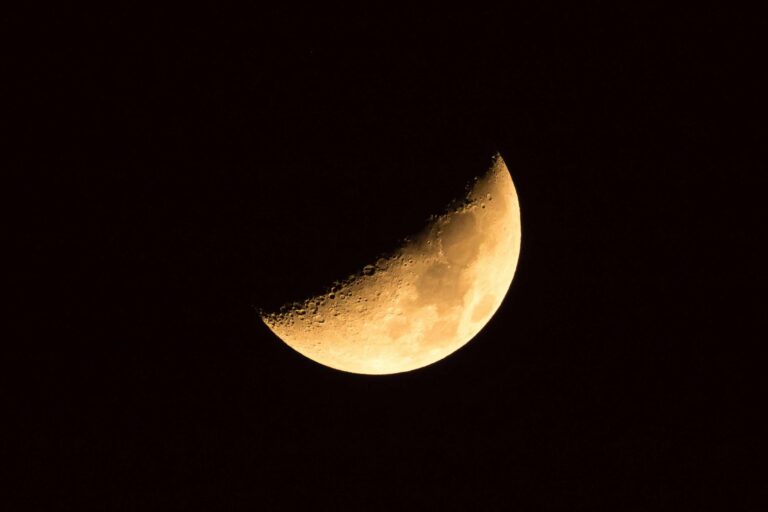
The Half Moon, often associated with the waxing and waning phases of the lunar cycle, represents a delicate balance between light and shadow. In relationships, it embodies the ebb and flow of emotions, the push and pull of intimacy, and the intuitive understanding that comes with emotional maturity. Unlike the full moon, which radiates complete illumination, the Half Moon suggests a journey—one that is still unfolding, still learning, and still growing.
Metaphorically, the Half Moon can be seen as a mirror to our inner selves. It reflects the parts of us that are visible and those that remain hidden, the conscious and subconscious aspects of our emotional landscape. In a romantic context, it symbolizes the early stages of love, where passion is tempered by uncertainty, and trust is built through vulnerability. The Half Moon teaches us that relationships are not static; they are dynamic, evolving entities that require patience and adaptability.
The Hanged Man: Surrender and Transformation in Love
The Hanged Man, a card from the Tarot deck, is one of the most intriguing symbols in spiritual and psychological lore. Depicted as a figure suspended upside down, often with a serene expression, this archetype represents surrender, sacrifice, and the transformative power of letting go. In relationships, the Hanged Man invites us to release control, embrace uncertainty, and trust in the process of growth—even when it feels uncomfortable or counterintuitive.
Unlike traditional depictions of love as a force of unity or harmony, the Hanged Man introduces a paradox: sometimes, love requires us to pause, to reflect, and to see things from a new perspective. This card encourages us to question our attachments, to detach from outcomes, and to recognize that personal evolution often comes at the cost of temporary discomfort. In a partnership, the Hanged Man may signal a period of stagnation or a need for both individuals to reassess their roles and expectations.

Synergy Between the Half Moon and the Hanged Man: A Dance of Light and Shadow
When the Half Moon and the Hanged Man appear together in a reading or a personal reflection, they create a powerful synergy—a dance between intuition and surrender. The Half Moon’s gentle illumination helps us see our emotional patterns with clarity, while the Hanged Man’s upside-down perspective challenges us to release old narratives and embrace change. Together, they suggest a relationship—or a personal journey—that is neither fully illuminated nor completely in darkness, but rather in a state of becoming.
This combination is particularly potent for those navigating complex emotional terrain. It may indicate a time when you must trust your instincts (Half Moon) while also surrendering to a process that feels beyond your control (Hanged Man). Whether it’s a romantic relationship, a friendship, or a self-discovery journey, these symbols remind us that growth often requires both awareness and release.
Practical Insights: How to Apply These Symbols in Daily Life
Understanding the Half Moon and the Hanged Man is one thing; applying their wisdom is another. Here are some ways to integrate their lessons into your relationships and personal development:
- Embrace the Uncertainty: The Half Moon teaches patience, while the Hanged Man encourages surrender. Together, they remind us that not every question needs an immediate answer.
- Trust Your Intuition: The Half Moon’s association with intuition can guide you in making decisions, especially when logic feels clouded by emotion.
- Let Go of Control: The Hanged Man’s lesson is clear—sometimes, the best way forward is to release your grip on expectations and allow life to unfold naturally.
- Reflect on Your Patterns: Use the Half Moon’s reflective energy to journal about your emotional triggers and the Hanged Man’s wisdom to identify where you might be holding on too tightly.
Conclusion: The Alchemy of Love and Growth
The Half Moon and the Hanged Man are more than just symbols—they are gateways to deeper self-awareness and richer relationships. The Half Moon’s gentle glow illuminates our emotional landscapes, while the Hanged Man’s inverted perspective challenges us to see beyond the surface. Together, they form an alchemical blend of intuition and surrender, growth and release, light and shadow.
As you navigate your own journey—whether in love, friendship, or personal evolution—let these symbols guide you. Remember that relationships are not about perfection but about the courage to grow, the wisdom to reflect, and the grace to surrender when the time is right. The Half Moon and the Hanged Man are not just metaphors; they are living, breathing forces that shape the way we love, learn, and evolve.
FAQ
What is the significance of the Half Moon in Tarot?
The Half Moon signifies balance between light and shadow, representing the journey of emotions in relationships.
What does the Hanged Man teach about relationships?
The Hanged Man teaches that sometimes love requires us to pause, reflect, and let go of control for personal growth.
Leave a Reply