Short Answer
The Hierophant tarot card stands as a bridge between the spiritual and the material, tradition and innovation. In this guide, you’ll explore its deep symbolism, historical roots, and how it promises a shift in perspective—whether in love, career, or personal growth. By the end, you’ll understand how this card encourages curiosity, challenges conventions, and invites you to question what you’ve been taught. Dive in to uncover the layers of meaning behind The Hierophant and how it might influence your journey.
The Hierophant: A Symbol of Tradition and Spiritual Guidance
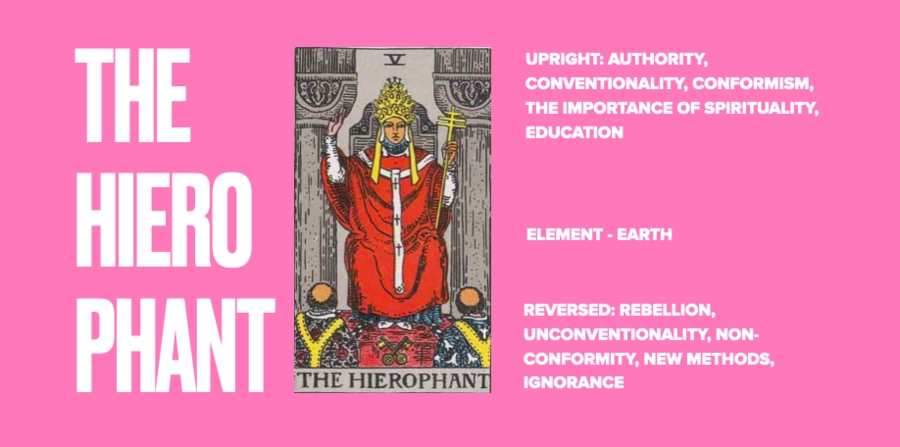
The Hierophant is the fifth card in the Major Arcana, often depicted as a religious figure seated between two pillars in a temple, flanked by two acolytes. This imagery is rich with meaning: the pillars represent duality—light and dark, knowledge and ignorance—while the acolytes symbolize the seeker’s journey toward enlightenment. Unlike the Magician, who represents individual power, The Hierophant embodies structured wisdom, tradition, and the guidance of established systems.
At its core, The Hierophant is about conformity to societal or spiritual norms, but it also hints at rebellion. The card suggests that while tradition provides a foundation, it’s essential to question its boundaries. The Hierophant doesn’t just enforce rules; it invites you to explore them critically. This duality makes it a card of both comfort and challenge—comfort in the familiar, and challenge in the potential for growth beyond it.

Key Themes: Structure, Belief, and the Search for Meaning
The Hierophant’s themes revolve around structure, belief systems, and the search for meaning. It often appears when you’re grappling with questions about religion, education, or moral dilemmas. The card encourages you to seek answers within established frameworks but also to remain open to alternative perspectives. For example, if you’re facing a career decision, The Hierophant might suggest aligning with traditional values—but it could also nudge you to challenge outdated norms in your field.
In matters of love, The Hierophant can indicate a relationship built on shared beliefs or traditions, such as a marriage rooted in cultural or religious customs. However, it may also signal the need to examine whether these traditions truly serve your highest good. Are you staying in a partnership because it aligns with your values, or because you fear breaking away from expectations? The Hierophant asks you to reflect on these questions.

Tradition vs. Rebellion: The Hierophant’s Dual Nature
One of the most intriguing aspects of The Hierophant is its dual nature—it represents both adherence to tradition and the potential for rebellion. On one hand, the card can signify conformity, whether in religion, education, or societal roles. It might appear when you’re expected to follow a path laid out by family, society, or institutions. On the other hand, The Hierophant can also be a call to question these paths. It asks: Are these traditions truly yours, or have you inherited them without examination?
This duality is especially relevant in modern contexts. For instance, if you’re considering a career in a field that values innovation, The Hierophant might urge you to honor traditional skills while also pushing boundaries. In spirituality, it could mean exploring established practices while remaining open to personal interpretations. The card doesn’t reject tradition outright; instead, it invites you to engage with it thoughtfully, blending reverence with curiosity.
The Hierophant in Love, Career, and Health
Love: In a relationship reading, The Hierophant can indicate a bond rooted in shared values or cultural expectations. It might suggest a traditional partnership, such as marriage or a long-term commitment based on mutual beliefs. However, it can also signal the need to evaluate whether these traditions are fulfilling or restrictive. Are you staying in the relationship out of love or obligation? The Hierophant encourages you to explore this balance.
Career: In career contexts, The Hierophant often points to structured environments like corporate jobs, academia, or roles within religious or educational institutions. It may suggest seeking mentorship or aligning with a company’s established values. Yet, it can also hint at the need to challenge outdated systems. If you’re feeling stifled in your career, The Hierophant might be urging you to question whether the path you’re on truly serves your growth.
Health: When it comes to health, The Hierophant can represent traditional healing methods, such as herbal medicine or established medical practices. It might encourage you to seek guidance from experts or follow time-tested routines. However, it can also remind you to listen to your intuition. If conventional treatments aren’t working, The Hierophant suggests exploring alternative approaches while staying grounded in evidence-based practices.
How The Hierophant Encourages a Shift in Perspective
The Hierophant isn’t just about following rules; it’s about expanding your understanding of them. This card promises a shift in perspective by inviting you to see tradition not as a cage, but as a starting point. For example, if you’ve always followed a particular spiritual path, The Hierophant might encourage you to explore other traditions or blend them in a way that resonates with you. Similarly, in personal growth, it can push you to question limiting beliefs and adopt a more open-minded approach.
The Hierophant also highlights the importance of mentorship. Whether it’s a teacher, a spiritual leader, or a wise friend, this card suggests that guidance is valuable—but it should empower you to think independently. The acolytes in the card’s imagery represent seekers, reminding you that the journey is yours to navigate, even with guidance.
Conclusion: Embracing Tradition While Inviting Change
The Hierophant tarot card is a powerful reminder that tradition and innovation aren’t mutually exclusive. It teaches that while structure provides stability, curiosity fuels growth. Whether it appears in a reading about love, career, or personal development, The Hierophant urges you to honor the wisdom of the past while remaining open to new perspectives. It’s a card of balance—between conformity and rebellion, between following the path and forging your own.
Ultimately, The Hierophant invites you to ask: What traditions serve me, and which ones no longer align with my truth? By embracing this duality, you can navigate life’s challenges with both reverence and a willingness to evolve. Let The Hierophant be your guide—not just to the wisdom of the past, but to the possibilities of the future.
Leave a Reply