Short Answer
The Hanged Man is one of the most enigmatic cards in the tarot deck, often associated with surrender, sacrifice, and a shift in perspective. When this card appears in its reversed position, it introduces a playful challenge—one that invites you to question your current path, decisions, or mindset. In this guide, you’ll explore what The Hanged Man reversed truly means, how it contrasts with its upright counterpart, and how to interpret its messages in love, career, and personal growth. By the end, you’ll have a clearer understanding of how this card’s energy can manifest as both a playful nudge and a potential obstacle.
The Hanged Man Reversed: A Playful Question to Your Current Path
The Hanged Man reversed often arrives as a lighthearted but pointed question: “Are you overcomplicating things?” Unlike its upright version, which encourages patience and new perspectives, the reversed card suggests that you might be resisting change or clinging to outdated beliefs. This energy can feel like a playful tease—almost as if the universe is nudging you to stop and reconsider your approach. Instead of seeing this as a punishment, think of it as a gentle wake-up call to reassess your priorities.
In practical terms, The Hanged Man reversed may indicate procrastination or avoidance. You might be delaying a decision because you’re afraid of the outcome, or perhaps you’re stuck in a cycle of overanalyzing. The card asks you to recognize when you’re making things harder than they need to be. Sometimes, the solution lies in letting go of control and trusting the process.
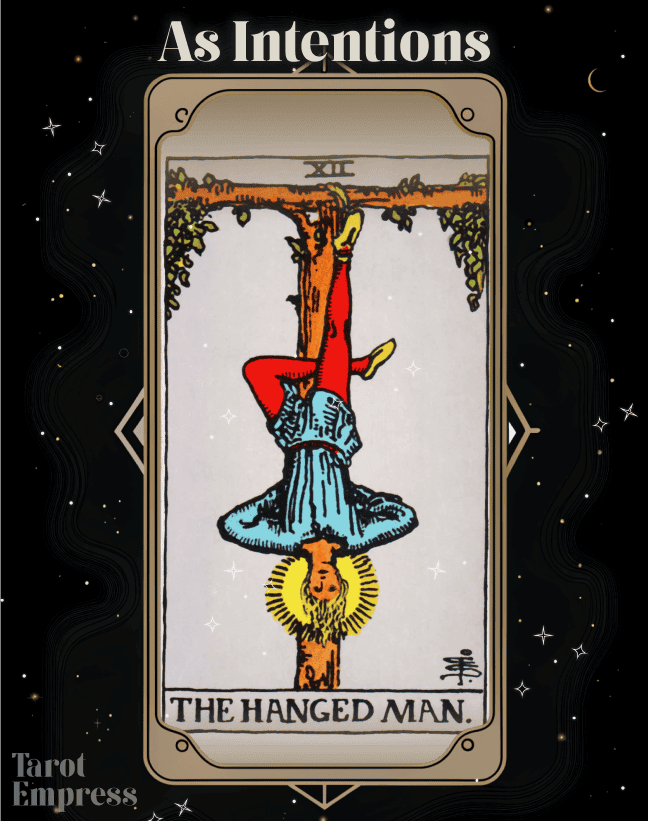
How It Differs from the Upright Hanged Man
While The Hanged Man upright represents wisdom through stillness, sacrifice, and a willingness to see things differently, its reversed counterpart flips this narrative. Instead of embracing pause and reflection, you might find yourself resisting the very lessons the card offers. The upright Hanged Man teaches patience; the reversed version highlights impatience, frustration, or a refusal to adapt. Where the upright card suggests a necessary delay for greater clarity, the reversed card warns against stagnation or unnecessary delays caused by stubbornness.
Another key difference is the energy of surrender. Upright, The Hanged Man is about voluntary sacrifice for a higher purpose. Reversed, it can feel like an involuntary struggle—where you’re forced into a situation you didn’t choose, or where you’re resisting change out of fear. This contrast makes the reversed card a powerful mirror, reflecting back your own resistance to growth.
Love and Relationships: When the Hanged Man Reversed Appears
In matters of the heart, The Hanged Man reversed can signal a period of imbalance or unmet expectations. If you’re single, the card might suggest that you’re holding onto past relationships or idealizing potential partners in a way that’s unrealistic. For those in relationships, it could indicate a lack of effort, emotional detachment, or a refusal to compromise. The playful question here is: “Are you waiting for love to happen to you, or are you actively creating it?”
This card can also highlight a toxic dynamic where one person is sacrificing too much without reciprocity. The reversed Hanged Man asks you to evaluate whether the relationship is truly serving both parties or if you’re staying out of fear of being alone. It’s a reminder that love shouldn’t feel like a one-sided sacrifice—it should feel like a shared journey.

Career and Finances: Navigating Stagnation
In your professional life, The Hanged Man reversed might appear when you’re feeling stuck in a job that no longer fulfills you. Instead of taking proactive steps to change your situation, you might be procrastinating or making excuses. The card’s playful challenge is: “What’s really holding you back?” It could be fear of failure, a lack of confidence, or simply not knowing what you want next. The key here is to recognize that stagnation is often a choice—and that small, intentional actions can break the cycle.
Financially, this card can warn against impulsive decisions or avoidance of financial responsibilities. You might be ignoring bills, avoiding budgeting, or making reckless purchases to fill an emotional void. The reversed Hanged Man encourages you to pause and reassess your habits before they lead to bigger problems.
Personal Growth: The Challenge of Letting Go
The Hanged Man reversed is ultimately about the challenge of letting go—whether it’s old habits, toxic relationships, or limiting beliefs. The playful question it poses is: “What if the thing you’re holding onto is the very thing holding you back?” This card doesn’t demand drastic change; instead, it invites you to reflect on where you’re resisting growth. Are you clinging to a job, a person, or an identity that no longer serves you? The reversed Hanged Man reminds you that sometimes, the greatest act of self-care is to release what’s no longer aligned with your highest good.
It’s also a card of delayed gratification gone awry. While the upright Hanged Man teaches that good things come to those who wait, the reversed version warns against waiting for something that will never materialize. If you’re holding out for a sign, an apology, or a change that’s unlikely to happen, this card is your wake-up call to redirect your energy elsewhere.
Conclusion
The Hanged Man reversed is a card of playful rebellion against stagnation, but it’s also a gentle (or not-so-gentle) reminder that growth requires action. Whether it’s in love, career, or personal development, this card asks you to question your resistance and consider where you might be overcomplicating life. Instead of seeing it as a setback, view it as an opportunity to reassess, realign, and move forward with clarity. The next time this card appears, ask yourself: “What am I sacrificing by not letting go?” The answer might just be the key to your next chapter.
FAQ
What does The Hanged Man reversed signify?
The Hanged Man reversed often indicates resistance to change, procrastination, or overcomplicating situations.
How does The Hanged Man reversed differ from the upright version?
While the upright version encourages patience and reflection, the reversed version highlights impatience and a refusal to adapt.
What should I do if I draw The Hanged Man reversed in a reading?
Consider where you might be resisting change and evaluate your current path in love, career, and personal growth.
Leave a Reply