Short Answer
Welcome to this comprehensive guide exploring the fascinating intersection of “The Mounted Lady” and “The Muse.” Whether you’re an artist, writer, or simply someone drawn to the mystical and symbolic, this article will delve into the themes, interpretations, and creative inspirations that arise from this intriguing pairing. You’ll discover the historical and artistic significance behind these concepts, explore visual and literary representations, and gain insights into how they can fuel your own creative endeavors. By the end, you’ll have a deeper understanding of how “The Mounted Lady” and “The Muse” intertwine to inspire art, literature, and personal expression.
The Mounted Lady: Symbolism and Historical Context
The term “Mounted Lady” often evokes imagery of a woman astride a horse, symbolizing power, freedom, and a connection to nature or the divine. Historically, this motif appears in various cultures, from ancient Greek and Roman art to medieval tapestries and Renaissance paintings. The mounted woman is frequently associated with goddesses like Artemis or Diana, who embody both nurturing and fierce aspects of femininity. In folklore, she may represent a guardian of the wild or a symbol of untamed spirit.
In art, the mounted lady is often depicted in dynamic poses, emphasizing movement and grace. She may hold a bow, a staff, or simply ride with an air of confidence, suggesting a harmony between human and animal. This imagery can also extend to modern interpretations, where the mounted lady becomes a metaphor for independence, adventure, or even a journey of self-discovery. By understanding these layers of symbolism, you can appreciate how this figure continues to inspire artists and storytellers today.

The Muse: Inspiration and Creative Catalyst
The Muse, a concept deeply rooted in Greek mythology, represents the divine inspiration that artists, writers, and thinkers draw upon to create their work. Traditionally, the Muses were nine goddesses who presided over the arts and sciences, each overseeing a specific domain such as poetry, music, or history. Over time, the term has evolved to describe any source of inspiration, whether it be a person, place, or abstract idea. The Muse is often personified as a guiding force, a whisper in the creative mind that sparks ideas and fuels passion.
In literature and art, the Muse is frequently depicted as a woman, embodying beauty, wisdom, and creativity. She may appear as a muse figure in paintings, such as those by artists like Leonardo da Vinci or Gustav Klimt, where she is often portrayed as an ethereal or allegorical figure. In modern contexts, the Muse can be a real person—a mentor, a lover, or a muse-like presence in one’s life—who inspires great works. Understanding the role of the Muse can help you recognize and harness your own sources of inspiration, whether in writing, painting, or any creative pursuit.

The Intersection: The Mounted Lady as a Muse
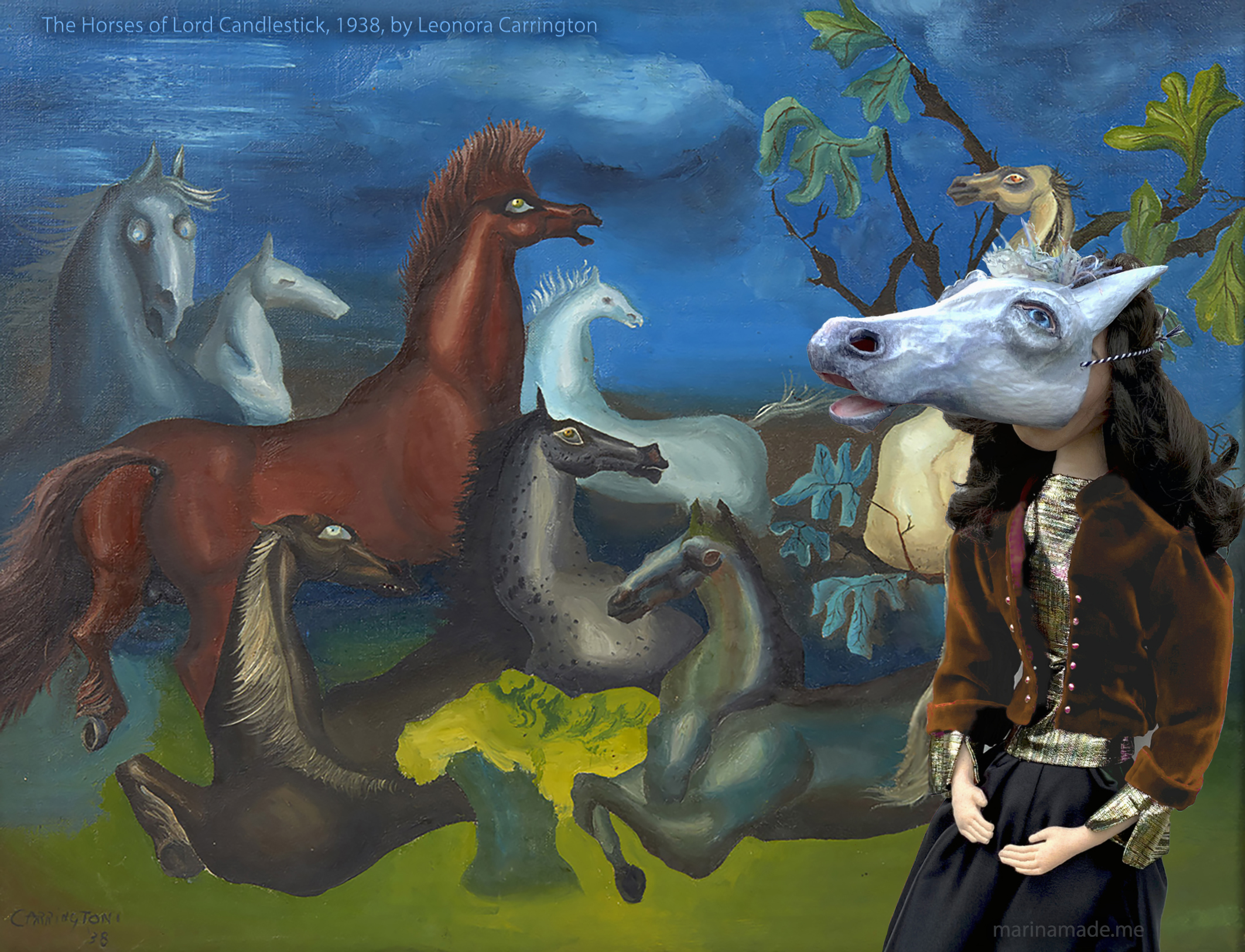
When the Mounted Lady and the Muse converge, a powerful narrative emerges—one that blends strength, freedom, and creative inspiration. This intersection can be explored in various ways, from visual art to literature. For instance, a mounted woman riding through a landscape might be seen as a Muse herself, guiding the artist or writer through uncharted territories of the mind. Alternatively, she could represent the Muse as a force of nature, embodying the untamed spirit that fuels creativity.
In literature, this pairing might manifest as a character who is both a muse and a guide, leading the protagonist on a journey of self-discovery. In art, the mounted lady could be depicted as a muse figure, her posture and expression conveying a sense of purpose and inspiration. This duality allows for rich storytelling and artistic exploration, where the Mounted Lady serves as both a symbol of empowerment and a source of creative energy. By examining these themes, you can uncover new layers of meaning in your own work or appreciation of art and literature.
Creative Applications: How to Use These Themes in Your Work
Whether you’re an artist, writer, or simply someone looking to infuse your creative projects with deeper meaning, the themes of the Mounted Lady and the Muse offer endless possibilities. For writers, consider crafting a story where the protagonist is guided by a mounted muse, leading them through a journey of self-discovery. For artists, experiment with depicting the mounted lady as a muse figure, using symbolism to convey themes of freedom, inspiration, or transformation.
You can also explore these themes in poetry, music, or even fashion design. For example, a poem might describe a woman riding through a dreamlike landscape, her presence inspiring the poet to new heights of creativity. A musician could compose a piece that captures the essence of the mounted lady, using melody and rhythm to evoke a sense of movement and inspiration. By incorporating these themes into your work, you can create pieces that resonate with universal symbols of power, creativity, and the human spirit.
Conclusion
The Mounted Lady and the Muse are more than just artistic motifs—they are symbols of inspiration, strength, and the boundless potential of the creative mind. By exploring their historical and cultural significance, as well as their intersection in art and literature, you can gain a deeper appreciation for their enduring appeal. Whether you’re seeking to create your own work or simply understand the deeper meanings behind these themes, the journey of discovery is as enriching as the destination. Embrace the power of the Mounted Lady and the Muse in your creative pursuits, and let them guide you to new heights of expression and inspiration.
FAQ
What does 'The Mounted Lady' symbolize?
'The Mounted Lady' symbolizes power, freedom, and a connection to nature or the divine.
What is the role of a Muse?
A Muse is a source of inspiration for artists and writers, often personified as a guiding figure.
How can these themes be applied creatively?
These themes can inspire stories, artworks, and other creative projects reflecting empowerment and transformation.
Leave a Reply