Short Answer
In this guide, you’ll uncover the hidden layers of The Quarry’s Tarot system, a narrative device that transcends mere gameplay mechanics. Beyond its surface-level role as a collectible item, the Tarot in The Quarry serves as a psychological mirror, reflecting the characters’ deepest fears, regrets, and unresolved traumas. You’ll learn how to locate every Tarot card in the game, decode their symbolic meanings, and understand why these cards resonate so deeply with players. By the end, you’ll see how the Tarot isn’t just a side quest—it’s a narrative shortcut to the heart of the game’s storytelling.
The Tarot as a Narrative Device: More Than Just Cards
The Tarot in The Quarry isn’t just a checklist of collectibles; it’s a narrative framework that binds the game’s characters to their pasts. Each card players collect corresponds to a specific character’s arc, revealing fragments of their backstory that might otherwise remain buried. For example, the Death card isn’t just a grim reaper icon—it symbolizes transformation and the inevitability of change, mirroring the characters’ struggles to escape their fates. Similarly, the Hanged Man represents sacrifice and suspension, a theme that permeates the game’s central conflict.
Players often observe that the Tarot cards feel eerily personal, as if they’re peering into the characters’ private journals. This isn’t accidental. The game’s developers designed the Tarot to function as a narrative prosthesis, a tool that allows players to engage with the characters’ psyches without explicit exposition. By collecting these cards, players piece together a mosaic of trauma, guilt, and redemption that defines the game’s emotional core.
Locating Every Tarot Card: A Step-by-Step Guide
Finding all the Tarot cards in The Quarry requires keen observation and a willingness to explore every nook of the campgrounds. Below is a breakdown of the most challenging locations and the strategies to uncover them:
1. The High Priestess (The Campfire)
This card is hidden near the campfire where the counselors gather. Look beneath the wooden logs or inside the fire pit itself. The card is often obscured by shadows, so use the game’s flashlight feature to scan the area thoroughly.

2. The Hanged Man (The Docks)
The Hanged Man is tucked away in the rafters of the docks, dangling like a forgotten relic. Climb the ladder to the second floor of the dock structure and examine the wooden beams. The card is wedged between two planks, almost as if it’s waiting to be “freed.”

3. The Tower (The Cabin)
This card is one of the most elusive, hidden inside the cabin’s attic. Players must solve a simple puzzle involving a broken window to access the attic. Once inside, the card lies on a dusty shelf, surrounded by debris. Its placement feels deliberate—like a warning of impending collapse.
4. The Moon (The Woods)
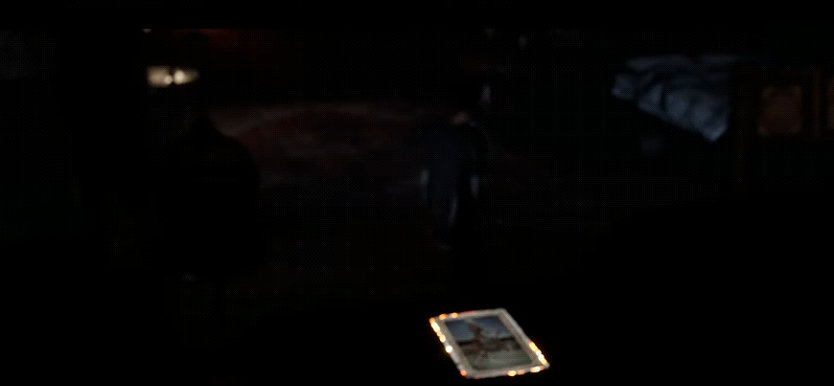
To find The Moon, venture deep into the woods at night. The card is pinned to a tree trunk, illuminated by the moonlight. Its eerie glow makes it stand out against the dark foliage. This card’s location reinforces its theme of illusion and hidden truths.
Decoding the Symbolism: Why These Cards Matter
The Tarot’s power lies in its ambiguity. Unlike traditional storytelling, where themes are spelled out, the Tarot invites players to interpret their own meanings. Here’s a quick guide to the most significant cards and their potential connections to the game’s narrative:
- The Fool: Represents innocence and new beginnings. In The Quarry, it may symbolize the characters’ initial naivety before the horrors unfold.
- The Lovers: Often associated with choices and relationships. Here, it could reflect the counselors’ romantic entanglements or the bonds they form under pressure.
- Judgment: A card of reckoning and awakening. Its presence hints at the characters’ inevitable confrontation with their past actions.
- Ten of Swords: A card of betrayal and painful endings. Its appearance in the game underscores the theme of irreversible consequences.
Players frequently note that the Tarot cards feel like breadcrumbs leading to a larger truth. This is intentional. The game’s narrative design uses the Tarot as a mnemonic device, a way to jog the characters’ (and players’) memories about events that shaped their present.
The Psychological Appeal: Why We’re Drawn to the Tarot
There’s a reason Tarot cards have fascinated humanity for centuries—they offer a language for the inexpressible. In The Quarry, the Tarot taps into a universal human experience: the need to confront our shadows. Players are drawn to these cards because they provide a sense of control over chaos. By collecting them, players feel they’re uncovering secrets, even if those secrets are painful.
Moreover, the Tarot’s structure mirrors the game’s branching narrative. Just as players make choices that alter the story, the Tarot’s interpretations can shift based on perspective. A card like The Hermit might represent isolation for one character but wisdom for another. This duality makes the Tarot feel alive, as if it’s responding to the player’s own journey.
This psychological engagement explains why players often revisit the Tarot cards after completing the game. They’re not just collectibles; they’re mirrors reflecting the player’s own subconscious fears and desires. In this way, The Quarry’s Tarot system becomes a meta-narrative, blurring the line between game and player.
Conclusion
The Tarot in The Quarry is far more than a side quest—it’s a narrative and psychological experience that elevates the game from a simple horror title to a deeply personal journey. By locating every card, players don’t just unlock achievements; they unearth the emotional core of the story. The cards serve as a bridge between the game’s events and the players’ own experiences, making the narrative feel intimate and universal.
Whether you’re a completionist chasing 100% or a player drawn to the game’s eerie atmosphere, the Tarot offers something for everyone. It’s a testament to how games can use symbolism to create meaning, inviting players to look beyond the screen and into the shadows of their own minds. So the next time you play The Quarry, remember: the Tarot isn’t just a game mechanic—it’s a conversation between you and the story.
FAQ
What is the significance of Tarot cards in 'The Quarry'?
In ‘The Quarry,’ Tarot cards serve as a narrative device that connects players to the characters’ pasts, revealing their fears and traumas.
How can players find the Tarot cards in the game?
Players can locate Tarot cards by exploring various locations in the campgrounds, using observation and puzzle-solving skills.
What themes do the Tarot cards represent in the game?
The cards symbolize themes such as transformation, sacrifice, and the inevitability of change, reflecting the characters’ struggles.
FAQ
What is the significance of Tarot cards in 'The Quarry'?
In ‘The Quarry,’ Tarot cards serve as a narrative device that connects players to the characters’ pasts, revealing their fears and traumas.
How can players find the Tarot cards in the game?
Players can locate Tarot cards by exploring various locations in the campgrounds, using observation and puzzle-solving skills.
What themes do the Tarot cards represent in the game?
The cards symbolize themes such as transformation, sacrifice, and the inevitability of change, reflecting the characters’ struggles.
Leave a Reply