Short Answer
Welcome to Regret Tarot – The Card That Stings, a deep dive into the emotional weight of regret as reflected through the tarot deck. This guide will explore how the cards can illuminate the shadows of past choices, the lingering “what ifs,” and the transformative power of facing what we fear most. Whether you’re a seasoned reader or a curious seeker, you’ll uncover the unique language of regret in tarot, its metaphors, and how to navigate its lessons with clarity and courage. By the end, you’ll see regret not as a wound, but as a compass—one that points toward growth, wisdom, and ultimately, healing.
The Weight of Regret: Why Tarot Dares to Look Back
Regret is the ghost that lingers in the corridors of the mind, whispering through unopened doors and unspoken words. It is the echo of a choice made in haste, a path not taken, or a truth left buried. Tarot, with its archetypal imagery and symbolic depth, doesn’t shy away from this emotional terrain—it invites it in. Unlike other readings that focus on the future or present, a Regret Tarot reading turns the gaze backward, not with judgment, but with compassionate curiosity.
When we pull cards centered on regret, we’re not just reviewing the past; we’re engaging in a dialogue with our own psyche. The cards act as mirrors, reflecting not just what happened, but how we internalized it. A card like the Five of Cups—often called the “card of loss”—doesn’t just show spilled wine; it shows the figure standing in sorrow, unable to see the two full cups behind him. That’s regret: the art of fixating on what’s lost, while the blessings remain unseen. Tarot helps us turn around, acknowledge the full cups, and begin to rewrite the narrative.
This backward glance isn’t about wallowing—it’s about integration. Regret, when faced consciously, becomes a teacher. It reveals our values, our fears, and the gaps between who we are and who we aspire to be. In tarot, regret isn’t a punishment; it’s an initiation into deeper self-awareness.
Metaphors That Bite: How Tarot Speaks Regret in Symbols
Tarot doesn’t speak in plain language—it speaks in metaphors that sting, illuminate, and sometimes unsettle. Each card carries a story, and when regret is the theme, the metaphors become especially vivid and personal. Let’s explore some of the most evocative:
The Tower: The Shock of Realization

The Tower isn’t just a card of destruction—it’s a card of regret through revelation. It represents the moment when the illusion shatters, and we see the truth we’ve been avoiding. Perhaps it’s the realization that a relationship was built on lies, or a career path was chosen out of fear, not passion. The Tower’s lightning strike is sudden, but the regret it brings is long-lasting. It forces us to ask: What did I build on shaky ground? The card doesn’t offer comfort—it offers clarity. And in that clarity lies the first step toward rebuilding with integrity.
The Hanged Man: The Regret of Inaction
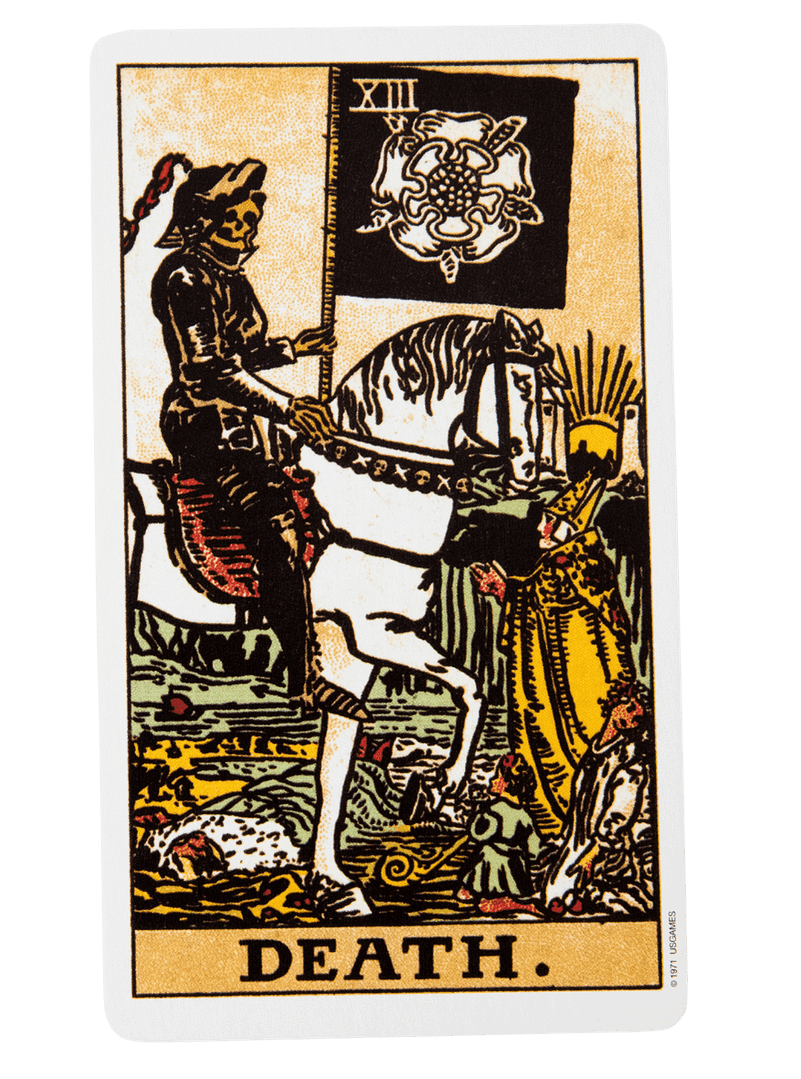
Though often associated with surrender, the Hanged Man also embodies the regret of what could have been. Suspended in time, upside-down, the figure sees the world from a new angle—but also realizes the cost of delay. This card often appears when we’ve hesitated, overthought, or played it safe out of fear. The regret here isn’t about a wrong action, but a missed action. It whispers: You had a chance. You let it slip. The Hanged Man teaches that regret isn’t always about doing wrong—it’s about not doing enough, not trying enough, not loving enough. It’s the quiet ache of potential unfulfilled.
The Ten of Swords: The Finality of Pain
Few cards carry the emotional punch of the Ten of Swords. It represents betrayal, failure, and the kind of regret that feels irreversible. The figure lies face-down, ten swords piercing their back—an image of being stabbed by those we trusted. This card often surfaces after a breakup, a lost job, or a broken promise. But it also holds a hidden truth: the pain is over. The swords are behind you. The regret is real, but it no longer defines your future. The Ten of Swords is the card of rock-bottom regret—it shows us that even in our darkest moments, we can rise. It’s not the end; it’s the turning point.
Reading for Regret: A Compassionate Approach
Pulling cards for regret isn’t about dredging up pain for drama—it’s about transforming pain into purpose. Here’s how to approach a Regret Tarot reading with care and insight:
1. Set an Intention, Not an Accusation
Before you begin, clarify your intention. Are you seeking to understand a past decision? To heal a lingering wound? To forgive yourself or another? Regret readings work best when rooted in compassion, not blame. Use a gentle prompt like: “What can I learn from this regret?” or “How can I honor what was lost while moving forward?”
2. Pull a Spread for Reflection
A simple three-card spread can illuminate the layers of regret:
- Card 1 – The Regret Itself: What event or choice still haunts you?
- Card 2 – The Lesson: What wisdom is this regret trying to teach you?
- Card 3 – The Path Forward: How can you integrate this regret into growth?
This structure keeps the reading focused on healing, not rumination.
3. Watch for Shadow Cards
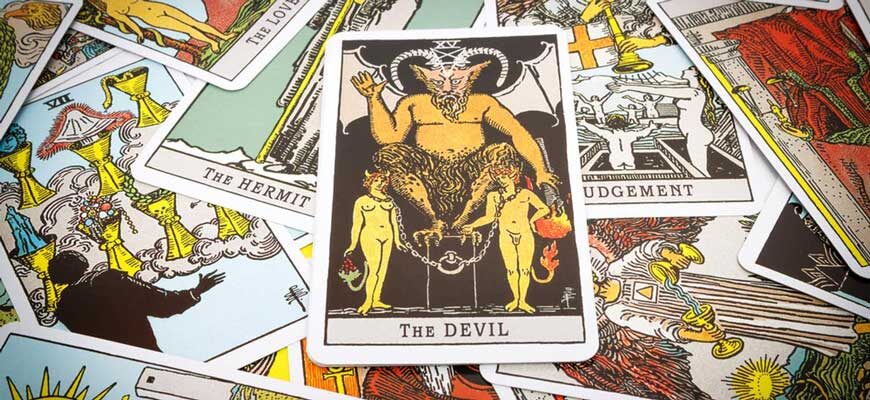
Cards like the Devil, Three of Swords, or Knight of Swords often appear in regret readings. They reveal the darker aspects of our choices—addiction, betrayal, impulsivity. Don’t shy away from them. Instead, ask: Where did I surrender my power? Where did I act out of fear? These cards aren’t here to shame you—they’re here to show you where you can reclaim agency.
4. Journal with the Cards
After your reading, write a letter to your past self—or to the person you regret hurting. Use the cards as prompts. What would the Five of Cups say to you? What advice would the Star offer? Writing transforms abstract regret into tangible insight.
The Redemptive Power of Regret: From Sting to Strength
Regret is often seen as a negative emotion, but in tarot, it becomes a catalyst for transformation. The cards don’t just show us what we regret—they show us how to use that regret as fuel. Consider the following:
- Regret as a Boundary-Maker: After a painful breakup, the Ten of Swords might appear, urging you to set firmer boundaries in future relationships.
- Regret as a Motivator: The Hanged Man could reveal that your hesitation in pursuing a dream led to this regret—now, it’s time to act.
- Regret as a Teacher: The Tower might show that a past failure revealed a truth about your values—now you can build with integrity.
In this way, regret isn’t the end of the story—it’s the rewriting of the story. Every card that stings carries within it the seed of wisdom. The key is to listen without drowning in the pain.
Conclusion: The Card That Heals
Regret Tarot isn’t about dwelling in the past—it’s about honoring the past while shaping the future. The cards that sting are the ones that demand our attention, that force us to look closely at our choices and their consequences. They remind us that regret, though painful, is not a life sentence—it’s an invitation to grow.
When you next pull a card that feels heavy with regret, don’t turn away. Lean in. Ask what it wants to show you. The tarot doesn’t judge your past—it helps you rewrite it with wisdom, courage, and a deeper understanding of who you are. And in that rewriting, regret becomes not a wound, but a wellspring of strength.
So the next time regret visits, pull a card. Let it speak. Then, with the wisdom of the deck as your guide, choose a new path—one where regret is not the end, but the beginning.
FAQ
What is Regret Tarot?
Regret Tarot is a reading that focuses on understanding and integrating feelings of regret through tarot cards, helping individuals transform pain into purpose.
How can tarot help with feelings of regret?
Tarot can illuminate past choices, offering insights on how to learn from regrets and redirect them towards personal growth.
Leave a Reply