Short Answer
In this guide, you’ll uncover the deeper layers of the “Three of Swords” tarot card—the card often associated with heartbreak, betrayal, and emotional pain. While its imagery of a heart pierced by three swords is striking, the card’s true meaning extends far beyond surface-level interpretations. You’ll explore its symbolism, its role in love and relationships, and why it continues to captivate people across cultures. By the end, you’ll understand how this card isn’t just about suffering; it’s a catalyst for healing, growth, and transformation.
The Symbolism of the Three of Swords: More Than Just Pain
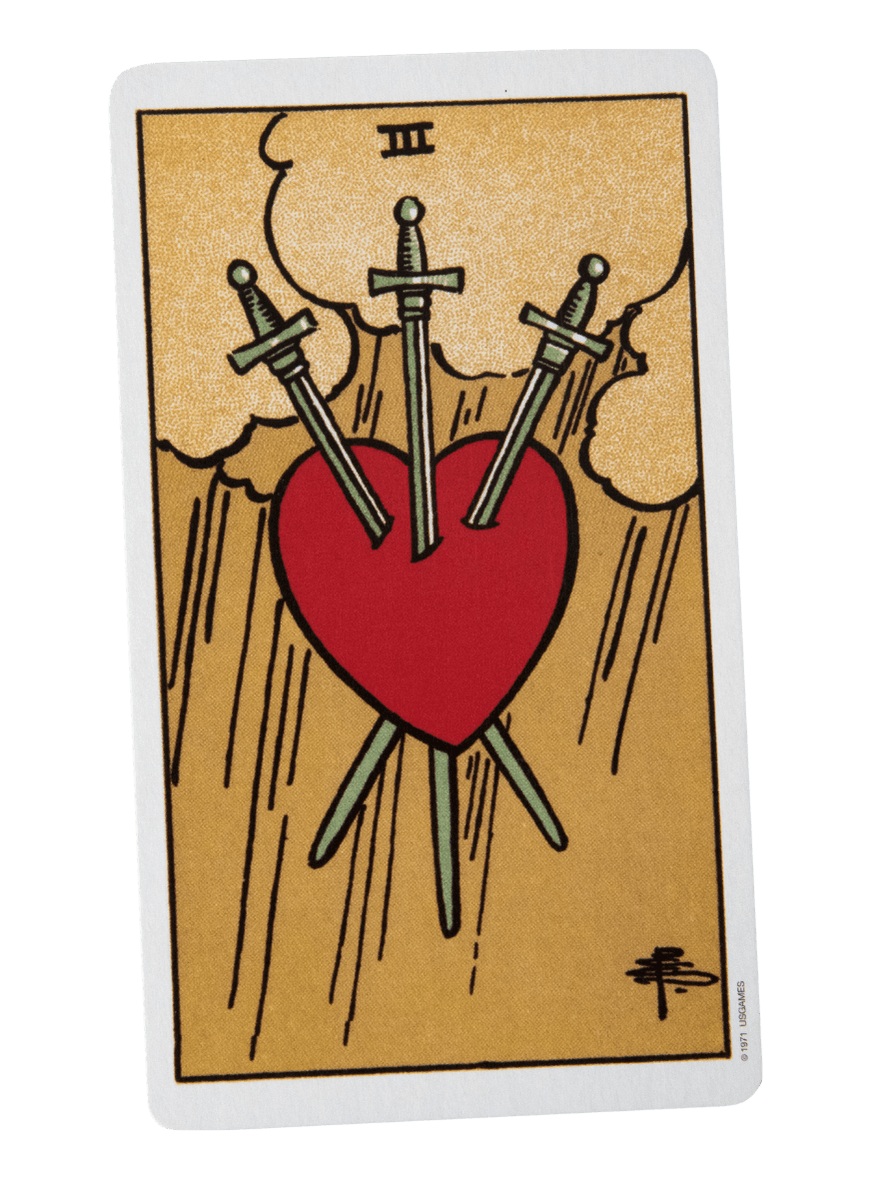
The Three of Swords is one of the most visually arresting cards in the tarot deck. At its core, the image depicts a heart impaled by three swords, often against a stormy sky, with raindrops symbolizing tears. This stark imagery immediately evokes feelings of sorrow, loss, and betrayal. However, the card’s symbolism is far more nuanced than it first appears.
The heart represents emotional vulnerability, while the swords signify the sharp, cutting nature of words, thoughts, or actions that cause pain. The stormy background suggests turmoil, but it also hints at the temporary nature of emotional storms. Rain, in many traditions, is a symbol of cleansing and renewal. This duality is key to understanding the Three of Swords—not as a permanent state of suffering, but as a necessary passage through pain to reach clarity and healing.
Another layer of symbolism lies in the number three. In tarot, the number three often represents growth, integration, and the synthesis of opposing forces. Here, the three swords could symbolize past, present, and future wounds, or the three stages of emotional processing: denial, anger, and acceptance. The card doesn’t just show pain; it shows the journey through it.
The Three of Swords in Love: Betrayal, Healing, and Growth
One of the most common contexts in which the Three of Swords appears is in matters of the heart. Whether upright or reversed, this card often signals a period of emotional upheaval in relationships. When drawn upright, it may indicate a recent betrayal, a painful breakup, or a realization that has shattered your trust. The pain feels raw and immediate, but the card’s presence is not meant to discourage you—it’s a sign that you’re being called to confront difficult truths.
In love readings, the Three of Swords can also point to unrequited feelings, hidden infidelities, or a love that has turned toxic. The swords piercing the heart reflect the sharp words or actions that have caused the wound. However, the card’s message isn’t one of despair. Instead, it’s an invitation to examine the relationship with honesty. Are you holding onto a love that no longer serves you? Is there a need to release resentment or forgive someone who has wronged you? The Three of Swords urges you to face these questions head-on.
When reversed, the Three of Swords suggests a turning point. You may be emerging from a period of heartbreak, finding the strength to let go of past hurts, or even reconciling with someone after a period of separation. Reversed, the card can also indicate that you’re avoiding emotional pain by suppressing your feelings or engaging in self-destructive behaviors. The key here is to acknowledge the pain without letting it define you. Healing is possible, but it requires courage and self-awareness.

Why Are We So Fascinated by the Three of Swords?
The Three of Swords resonates deeply with people because it mirrors universal human experiences: heartbreak, loss, and the struggle to move forward. Its imagery is dramatic and memorable, making it one of the most recognizable cards in the deck. But beyond its visual impact, the card taps into a collective fascination with pain and resilience. Stories of love and loss are timeless because they reflect our own journeys—times when we’ve been wounded but have also found the strength to heal.
There’s also a psychological component to our fascination with this card. The Three of Swords forces us to confront the darker aspects of life—betrayal, grief, and disappointment. In doing so, it offers a paradoxical comfort: the knowledge that pain is not endless. The storm will pass. The swords will eventually be removed from the heart. This card reminds us that even in our darkest moments, there is a path forward.
Culturally, the Three of Swords has been referenced in literature, music, and film as a symbol of emotional turmoil. Its themes align with archetypes like the tragic hero or the wounded lover, characters who endure suffering but ultimately find redemption. This archetypal resonance makes the card feel familiar, even when we encounter it in a tarot reading. It’s a mirror to our own stories of resilience.
The Three of Swords as a Catalyst for Transformation
While the Three of Swords is often associated with pain, its deeper message is one of transformation. Pain, in many spiritual traditions, is seen as a purifying force—a necessary step before rebirth. The card doesn’t just show a heart breaking; it shows a heart opening. The swords, though painful, are also tools that cut away what no longer serves us. They create space for new growth.
In a tarot reading, the Three of Swords can signal that a period of suffering is leading to a breakthrough. Perhaps you’ve been clinging to a relationship that’s no longer healthy, or maybe you’ve been avoiding a truth that needs to be faced. The card’s appearance is a sign that it’s time to release what’s holding you back. This might mean ending a toxic relationship, forgiving someone who has hurt you, or simply allowing yourself to grieve fully so you can heal.
It’s important to remember that transformation isn’t linear. The Three of Swords acknowledges that healing takes time. The stormy sky in the card’s imagery isn’t just a backdrop—it’s a reminder that emotional weather is temporary. After the rain comes clarity. After the pain comes growth. The card doesn’t promise an easy journey, but it does promise that the journey is worth taking.
Conclusion
The Three of Swords is far more than a symbol of heartbreak—it’s a card of profound emotional depth and transformation. Its imagery may be stark, but its message is ultimately one of hope. Whether you’re navigating a recent betrayal, reflecting on past wounds, or simply seeking to understand the card’s role in your life, the Three of Swords offers a powerful lesson: pain is not the end of the story. It’s a chapter, one that can lead to greater self-awareness, resilience, and ultimately, healing.
FAQ
What does the Three of Swords card signify?
The Three of Swords signifies heartbreak, betrayal, and emotional pain, but also growth and transformation through healing.
How should I interpret the Three of Swords in a love reading?
In a love reading, the Three of Swords can indicate emotional upheaval, such as betrayal or the need for honest reflection on a relationship.
Leave a Reply