Short Answer
Embark on a journey into the enigmatic world of the Moon XVIII Tarot card, a card that whispers secrets from the subconscious, beckoning you to explore the shadows of your mind. In this guide, you’ll uncover the rich symbolism, psychological depth, and haunting allure of this card, often feared yet profoundly transformative. Whether you’re a seasoned tarot reader or a curious seeker, this exploration will illuminate how The Moon transcends mere divination to become a mirror of your deepest fears, intuitions, and untold truths. Prepare to dive into a realm where reality blurs, where illusions reign, and where the night reveals what the day conceals.
The Moon XVIII: A Gateway to the Unconscious
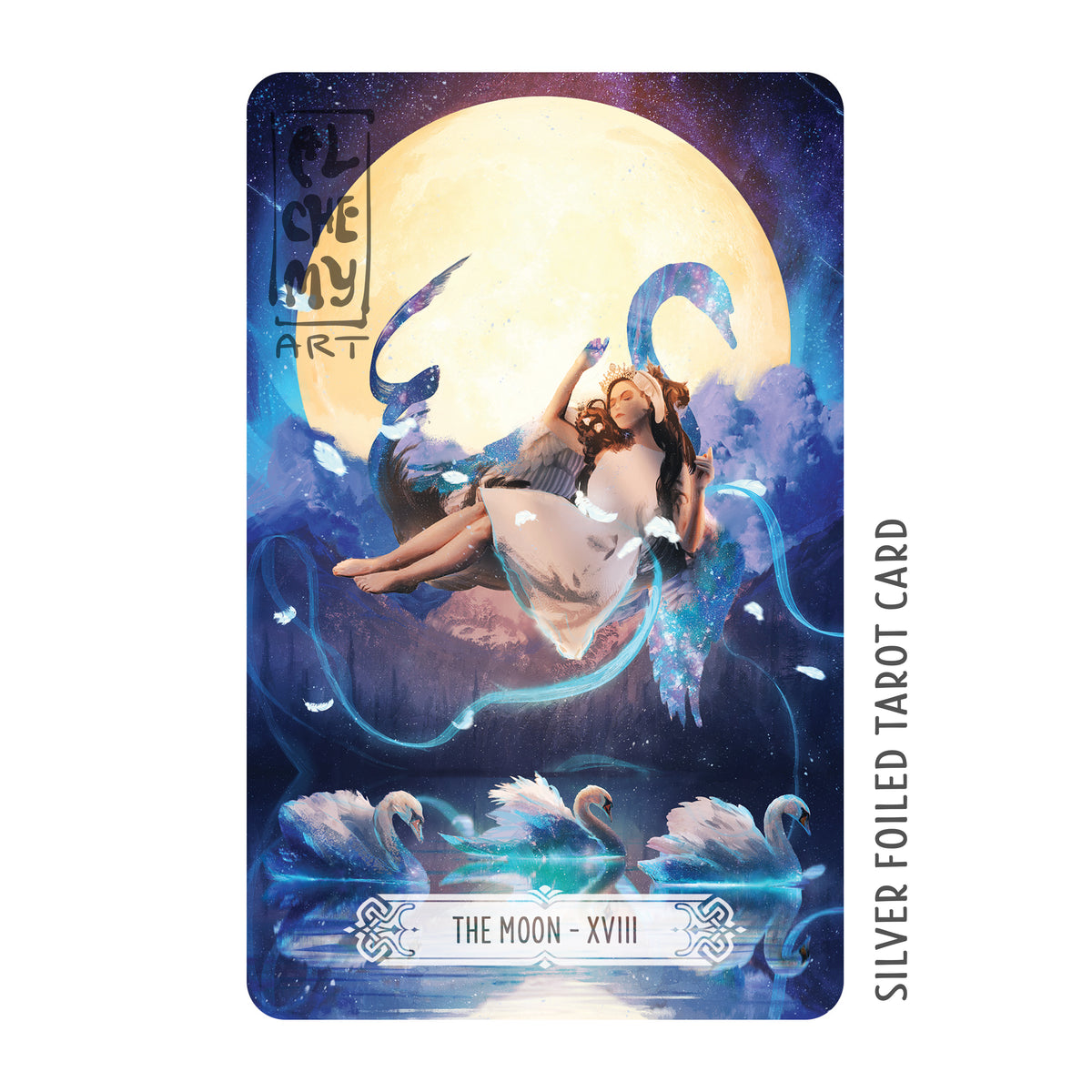
The Moon XVIII Tarot card is a powerful archetype that represents the hidden, the mysterious, and the subconscious. Unlike the radiant clarity of The Sun card, The Moon thrives in ambiguity, casting long shadows that distort perception and reveal truths buried in the psyche. At its core, this card is a metaphor for the illusions we create, the fears we suppress, and the intuitive whispers that guide us through the darkest corners of our minds.
Visually, The Moon is often depicted with a luminous orb hanging between two towering pillars, casting eerie light onto a path flanked by a wolf and a domesticated dog. The wolf, a symbol of primal instinct, contrasts with the dog, representing domestication and societal conditioning. This duality underscores the internal struggle between raw emotion and learned behavior. The crayfish emerging from the water—a creature of both land and sea—further emphasizes the liminal space between the conscious and unconscious, where transformation occurs.
In readings, The Moon often signals a time of uncertainty, deception, or a call to trust your intuition despite the fog of confusion. It’s a card that doesn’t provide easy answers but instead invites you to sit with the discomfort of not knowing, for it is in that space that clarity eventually emerges.

The Haunting Appeal of The Moon: Why It Fascinates Us
The allure of The Moon lies in its ability to evoke a primal response—fear, curiosity, and a sense of the unknown. Unlike other Major Arcana cards that offer clear guidance or triumph, The Moon thrives in the realm of the uncanny, where logic falters and intuition takes center stage. This card resonates deeply because it mirrors the human experience of confronting the unfamiliar, whether in dreams, personal crises, or moments of self-doubt.
Psychologically, The Moon taps into the collective unconscious, a concept explored by Carl Jung, where archetypes like the shadow self reside. The card’s imagery—twisting paths, a watchful moon, and creatures of duality—mirrors the fragmented nature of the mind. It’s no wonder that The Moon is often associated with nightmares, premonitions, and the eerie sensation of being watched by something unseen. This card doesn’t just represent fear; it embodies the thrill of fear, the adrenaline of facing what lurks in the dark.
Artistically, The Moon has been reimagined in countless ways, from classical Rider-Waite interpretations to modern, psychedelic renditions. Each artist brings their own spin to the card’s themes, whether through surreal landscapes, vibrant colors, or minimalist designs. This versatility ensures that The Moon remains a dynamic and evolving symbol, capable of resonating with diverse audiences across cultures and eras.
Symbolism Decoded: The Hidden Language of The Moon
To truly understand The Moon, one must dissect its rich symbolism, each element serving as a clue to its deeper meaning. Here’s a breakdown of the most significant symbols:
- The Moon Itself: The glowing moon represents the subconscious mind, intuition, and the cyclical nature of life. Its phases—waxing, waning, full—mirror the ebb and flow of emotions and hidden truths.
- The Two Pillars: These often symbolize duality—conscious vs. unconscious, logic vs. intuition, or the pillars of Hermes in alchemical traditions. They frame the path of self-discovery.
- The Wolf and Dog: The wolf embodies wild instincts, untamed emotions, and the shadow self, while the dog represents domestication, loyalty, and societal expectations. Their presence highlights the tension between nature and nurture.
- The Crayfish (or Lobster): Emerging from the water, this creature signifies transformation, rebirth, and the journey from the depths of the subconscious to the surface of awareness.
- The Path with Droplets: The winding path, often dotted with dew or tears, suggests a journey fraught with challenges, but also the potential for enlightenment. The droplets may represent illusions, emotions, or the tears shed along the way.
- The Dog’s Collar and the Wolf’s Wildness: These contrasting elements emphasize the struggle between control and freedom, a central theme in personal growth.
By interpreting these symbols, The Moon becomes a roadmap to understanding the hidden forces at play in your life. It’s a reminder that what we fear often holds the key to our greatest transformations.
How The Moon Manifests in Readings: Illusions, Intuition, and Wake-Up Calls
In tarot spreads, The Moon rarely delivers straightforward answers. Instead, it acts as a catalyst for introspection, often appearing when you’re grappling with uncertainty, deception, or a need to trust your gut. Here’s how The Moon might manifest in different contexts:
- Relationships: The Moon can indicate hidden motives, unspoken feelings, or a relationship shrouded in secrecy. It may warn against taking things at face value or suggest that someone is not being entirely truthful.
- Career and Finances: This card might signal confusion in professional dealings, financial instability, or the need to look beyond surface-level information. It’s a call to dig deeper before making decisions.
- Personal Growth: The Moon often appears during periods of self-doubt or when you’re confronting fears. It encourages you to embrace the unknown rather than shy away from it.
- Spirituality: In a spiritual context, The Moon may indicate a need for meditation, dream work, or exploring the subconscious through practices like journaling or therapy.
When The Moon appears reversed, its energy intensifies. Illusions may deepen, fears may become overwhelming, and intuition could feel clouded. This is a sign to pause, reassess, and seek clarity before proceeding. The reversed Moon isn’t a failure—it’s an invitation to confront what you’ve been avoiding.
The Moon in Art and Culture: A Timeless Enigma
The Moon’s haunting beauty has inspired artists, writers, and creators for centuries. From classical paintings to modern tarot decks, its imagery continues to evolve while retaining its core mystique. In literature, The Moon often symbolizes madness, prophecy, or the blurred line between reality and dream. Shakespeare’s Midsummer Night’s Dream and Mary Shelley’s Frankenstein both weave lunar symbolism into their narratives, tapping into the card’s themes of illusion and transformation.
In visual art, The Moon has been depicted in myriad ways. The Rider-Waite-Smith deck’s interpretation remains iconic, but contemporary artists have reimagined it through surrealism, pop art, and even digital media. For instance, psychedelic tarot decks often portray The Moon with vibrant, disorienting colors, reflecting its ability to warp perception. Meanwhile, minimalist decks strip the card down to its essential elements, emphasizing the raw, unfiltered nature of the subconscious.
This adaptability ensures that The Moon remains relevant, speaking to each generation in a language they understand. Whether through a medieval tapestry or a modern sticker, The Moon’s essence—its ability to haunt, intrigue, and enlighten—endures.
Conclusion: Embracing the Shadows with The Moon
The Moon XVIII Tarot card is more than a symbol of fear or deception; it’s a profound teacher that guides you through the labyrinth of your own mind. It reminds you that the darkest paths often lead to the brightest revelations, and that intuition is a compass even when the way forward is unclear. By embracing The Moon’s energy, you learn to navigate uncertainty with courage, to trust your inner voice, and to find beauty in the unknown.
Whether The Moon appears in a reading or simply catches your eye in a piece of art, it’s a sign to look closer—to question, to feel, and to explore the depths of your subconscious. For in the shadows, you’ll find not just what you fear, but what you’re capable of becoming. The Moon doesn’t just haunt your dreams; it illuminates them, revealing the path to self-discovery one shadow at a time.
FAQ
What does the Moon XVIII Tarot card symbolize?
The Moon XVIII Tarot card symbolizes the subconscious, intuition, and the duality of fear and transformation.
How should I interpret the Moon card in a tarot reading?
In a tarot reading, the Moon card often indicates uncertainty, hidden motives, and the need to trust your intuition.
Leave a Reply