Short Answer
Welcome to this comprehensive guide exploring the intriguing connections between The Stork and The Stranger. Whether you’re a film enthusiast, a mythology buff, or simply curious about symbolic imagery, this article will delve into the themes, interpretations, and cultural significance of these two seemingly disparate concepts. By the end, you’ll have a deeper understanding of how these ideas intersect across different mediums—from cinema to numerology—and what they might reveal about human storytelling and symbolism.
The Stork: Symbolism and Cultural Significance
The stork is a bird deeply embedded in global folklore, often associated with themes of birth, renewal, and transformation. In many European traditions, the stork is celebrated as a messenger of new beginnings, particularly in the context of childbirth. This symbolism is reflected in various cultural artifacts, including art, literature, and even modern media. For instance, the 2020 film The Stork (featured in the provided data) likely explores these themes through a contemporary lens, possibly examining the emotional and psychological dimensions of parenthood or unexpected life changes.
Beyond its role in human births, the stork also appears in nature as a migratory bird, symbolizing journey and adaptation. In numerology, the stork is sometimes linked to the number 6, which represents harmony, family, and responsibility. This connection suggests that the stork can be seen as a harbinger of balance and new phases in life, whether personal or collective.

The Stranger: Archetypes and Narrative Power
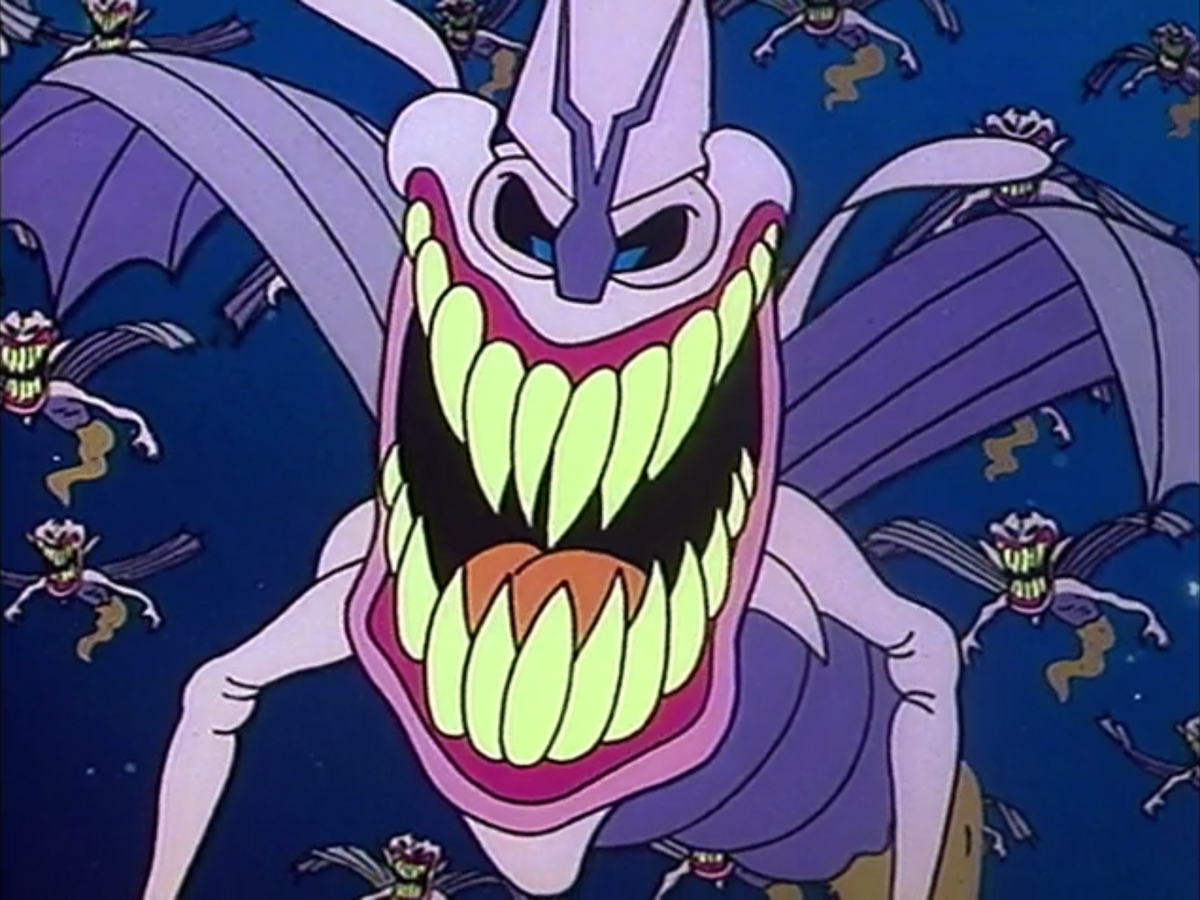
The concept of The Stranger is a universal archetype found in myths, religious texts, and modern storytelling. In Star Wars, for example, the character of “Stranger” (as seen in the Wookieepedia image) embodies mystery and otherness, often challenging the protagonist’s worldview or driving the plot forward. This archetype serves as a catalyst for change, forcing characters—and audiences—to confront the unknown. The stranger can represent fear, curiosity, or enlightenment, depending on the narrative context.
In literature and film, the stranger is frequently a figure who disrupts the status quo. They might be a traveler, a fugitive, or a supernatural entity, but their defining trait is their outsider status. This trope is powerful because it reflects real-world anxieties about the unfamiliar, whether in the form of immigration, technological disruption, or personal identity crises. By examining The Stranger in different contexts, we can uncover how stories use this figure to explore themes of belonging, alienation, and the human condition.
Intersecting Themes: Birth, Mystery, and Transformation
At first glance, The Stork and The Stranger appear to occupy opposite ends of the symbolic spectrum—one tied to beginnings and the other to the unknown. However, their themes often intersect in compelling ways. For example, the arrival of a stranger can symbolize a new phase in life, much like the birth a stork represents. Both concepts challenge the status quo: the stork brings literal or metaphorical new life, while the stranger disrupts existing narratives or social structures.
In storytelling, these themes can be combined to create rich, layered narratives. A film or novel might use the stork as a metaphor for a character’s personal transformation, while the stranger serves as the external force that triggers this change. Alternatively, the stork could be a literal or symbolic guide leading a protagonist toward an encounter with the unknown. By analyzing these intersections, we gain insight into how stories use symbolism to convey complex ideas about growth, identity, and the unpredictable nature of life.
Exploring The Stork (2020) Film
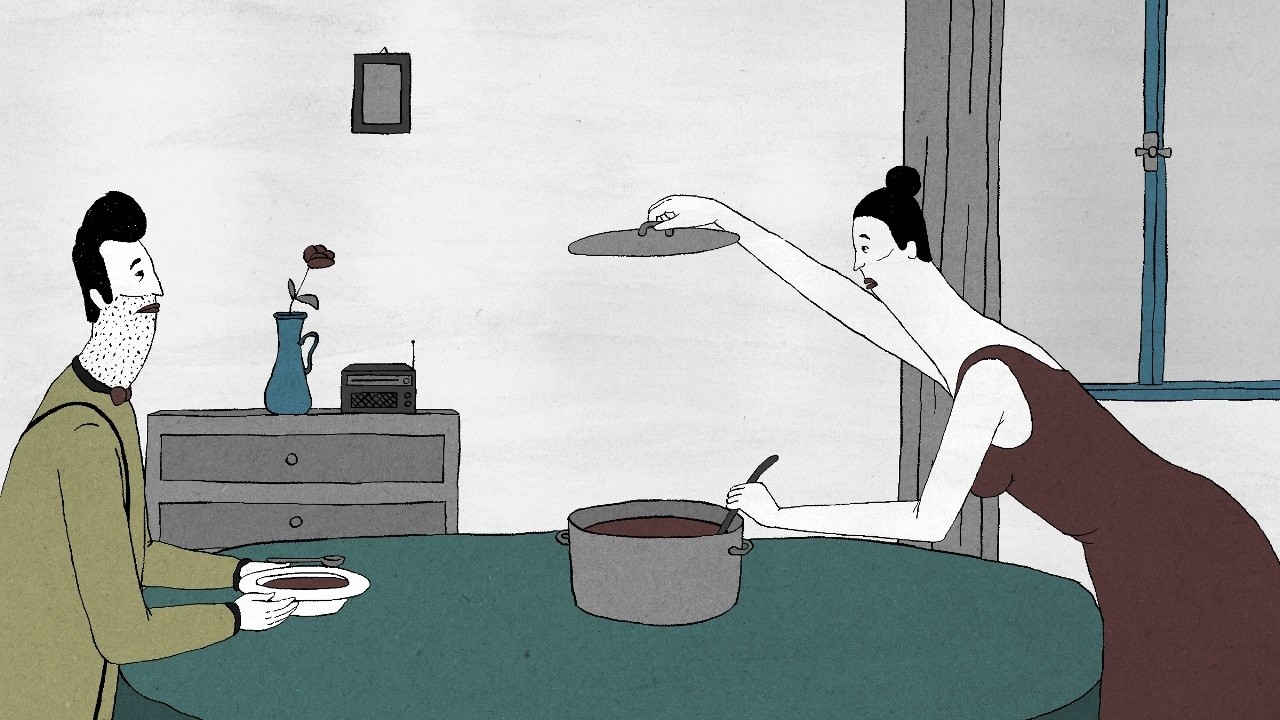
The 2020 film The Stork, available on MUBI, offers a modern take on the stork’s symbolic legacy. While specific plot details are not provided in the data, the title alone suggests a narrative centered on themes of parenthood, unexpected events, or the cyclical nature of life. Films with such titles often use the stork as a visual or thematic motif to evoke emotions related to change, responsibility, or the passage of time.
Viewers can expect a blend of drama, introspection, and possibly surreal elements, depending on the director’s style. The stork’s role in the film might extend beyond its traditional symbolism, serving as a metaphor for societal issues like adoption, environmental change, or the pressures of modern family life. By watching The Stork, audiences can engage with these themes on a personal and cultural level, reflecting on how birth and transformation shape our lives.
Numerology and the Stork: A Deeper Dive
Numerology offers another lens through which to interpret the stork’s symbolism. In Lenormand cartomancy, the stork card is often associated with messages, news, and transitions. The number 66, referenced in the provided image, amplifies these themes, suggesting a period of harmony, balance, and significant life changes. For those interested in divination or self-reflection, the stork can serve as a reminder to embrace new beginnings with openness and adaptability.
In a broader sense, numerology encourages us to see patterns and meanings in everyday life. The stork’s connection to the number 66 might inspire individuals to reflect on their own journeys, particularly during times of transition. Whether it’s a career shift, a move, or a personal revelation, the stork’s symbolism can provide comfort and guidance, framing change as a natural and even auspicious part of life.
Conclusion
From the stork’s role as a symbol of birth and renewal to the stranger’s function as a disruptor of norms, these two concepts offer rich avenues for exploration across film, mythology, and personal reflection. By examining their intersections, we uncover how stories and symbols shape our understanding of life’s transitions, mysteries, and transformations. Whether through the lens of cinema, numerology, or cultural tradition, The Stork and The Stranger remind us of the universal human experiences of change, curiosity, and the unknown.
FAQ
What is the significance of The Stork in various cultures?
The Stork is often seen as a symbol of birth, renewal, and transformation, representing new beginnings in many European traditions.
How does The Stranger archetype function in storytelling?
The Stranger serves as a disruptor in narratives, prompting characters to confront the unknown or challenge their existing beliefs.
What themes are explored through the intersection of The Stork and The Stranger?
Themes of birth, mystery, and transformation are explored, highlighting how these concepts can symbolize significant life changes.
Leave a Reply