Short Answer
Welcome to this comprehensive guide on Hindi and its in-depth meanings. Whether you’re a language enthusiast, a student, or someone looking to deepen your understanding of Hindi, this article will equip you with valuable insights. You’ll explore the richness of Hindi vocabulary, its cultural significance, and practical ways to master common phrases and their nuances. By the end, you’ll have a clearer perspective on how Hindi functions as a language and a tool for communication.
Understanding the Basics of Hindi
Hindi is one of the most widely spoken languages in the world, serving as the official language of India and a significant cultural symbol. It belongs to the Indo-Aryan branch of the Indo-European language family and is written in the Devanagari script. The language is phonetic, meaning words are pronounced as they are written, which makes it easier for learners to grasp pronunciation. Hindi vocabulary is heavily influenced by Sanskrit, Persian, and Arabic, giving it a diverse linguistic heritage.
At its core, Hindi is a language of expression, capable of conveying deep emotions and complex ideas with simplicity. For instance, the word “प्रेम” (prem) means “love,” but it carries a depth that goes beyond mere affection—it can signify divine love, familial bonds, or romantic attachment. Understanding these foundational aspects will help you appreciate the language’s elegance and versatility.
Common Hindi Phrases and Their English Equivalents
Mastering common Hindi phrases is a practical way to start your language journey. These phrases are not just words; they encapsulate cultural norms and social etiquette. For example, “नमस्ते” (namaste) is a universal greeting that reflects respect and humility. Similarly, “धन्यवाद” (dhanyavaad) means “thank you,” but its usage can vary depending on the context—whether you’re expressing gratitude to a stranger, a friend, or an elder.
Another essential phrase is “कैसे हो?” (kaise ho?), which translates to “How are you?” in English. However, in Hindi, this phrase often invites a more detailed response, reflecting the importance of personal connection in Indian culture. Learning such phrases will not only improve your communication skills but also help you connect with native speakers on a deeper level.

For those interested in expanding their vocabulary, phrases like “माफ कीजिये” (maaf kijiye) for “I apologize” or “कृपया” (kripaya) for “please” are invaluable. These phrases demonstrate the politeness and respect embedded in Hindi communication, making them essential for anyone looking to engage meaningfully with Hindi speakers.
The Role of Hindi in Cultural Expression
Hindi is not just a means of communication; it is a vessel for cultural expression. From Bollywood movies to classical literature, Hindi plays a pivotal role in shaping India’s cultural identity. For instance, the word “दर्शन” (darshan) means “philosophy” or “vision,” but it also refers to the act of seeing a deity in a temple, highlighting the spiritual dimension of the language. Similarly, “त्योहार” (tyohar) means “festival,” but it encompasses the joy, traditions, and communal celebrations associated with events like Diwali or Holi.
Hindi poetry, or “कविता” (kavita), is another area where the language shines. Poets like Kabir and Mirabai used Hindi to convey profound spiritual and emotional truths. Their works are celebrated for their simplicity and depth, making Hindi a language that resonates with both the heart and the mind. Understanding these cultural nuances will enrich your appreciation of Hindi and its role in society.
Practical Tools for Learning Hindi
For those eager to learn Hindi, several tools and resources can make the process easier. Dictionaries, both online and offline, are indispensable for expanding your vocabulary. For example, an English-to-Hindi dictionary app can help you quickly look up words and their meanings, while also providing pronunciation guides. Apps like these often include audio clips, allowing you to hear the correct pronunciation and improve your speaking skills.
Another useful tool is a phrasebook, which offers practical phrases for everyday situations. These books are organized by themes, such as travel, dining, or shopping, making it easy to find relevant phrases. Additionally, language exchange platforms connect you with native Hindi speakers who can help you practice and refine your skills. These tools not only make learning more efficient but also more enjoyable.
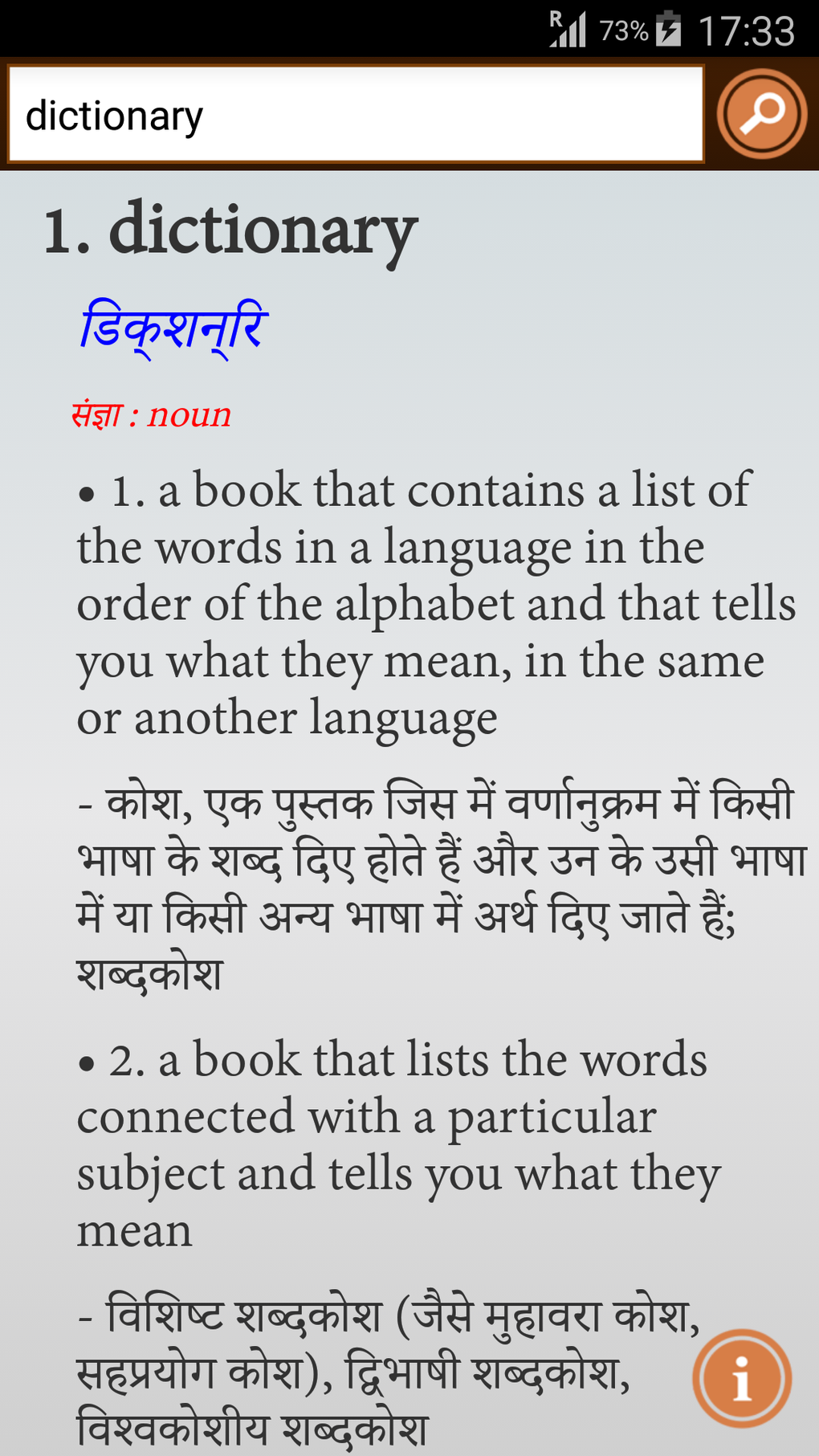
Online courses and tutorials are also valuable resources. Many platforms offer structured lessons that cover grammar, vocabulary, and cultural context. These courses often include interactive exercises, quizzes, and real-life scenarios to help you apply what you’ve learned. Whether you’re a beginner or an advanced learner, these tools can provide the guidance you need to achieve fluency.
Advanced Concepts: Idioms, Proverbs, and Nuances
To truly master Hindi, it’s essential to delve into its idioms and proverbs. These expressions add color and depth to the language, often conveying ideas that are difficult to translate directly. For example, the proverb “अंधों में काना राजा” (andhon mein kaana raaja) translates to “In a group of blind people, the one-eyed man is king.” This proverb highlights the idea that even someone with limited abilities can stand out in a group of less capable individuals.
Idioms like “दिल टूटना” (dil tootna), which means “to have a broken heart,” are equally expressive. They capture emotions and situations in a way that resonates deeply with native speakers. Understanding these nuances will not only improve your language skills but also help you connect with Hindi speakers on a cultural level. Additionally, learning about the grammatical structures, such as the use of postpositions and verb conjugations, will further enhance your comprehension.
Conclusion
Hindi is a language rich in history, culture, and expression. From its foundational phrases to its advanced idioms, Hindi offers a unique way to connect with people and understand their perspectives. By exploring its vocabulary, cultural significance, and practical tools for learning, you can embark on a rewarding journey to master this beautiful language. Whether you’re learning Hindi for travel, work, or personal enrichment, the insights shared in this guide will serve as a valuable resource on your path to fluency.
FAQ
What is the significance of Hindi in Indian culture?
Hindi serves as a vital means of communication and cultural expression in India, reflecting the country’s traditions, values, and social norms.
What are some common phrases in Hindi?
Common phrases include ‘नमस्ते’ (namaste) for greetings and ‘धन्यवाद’ (dhanyavaad) for expressing gratitude.
How can I effectively learn Hindi?
Utilizing resources like dictionaries, online courses, and language exchange platforms can significantly enhance your Hindi learning experience.
Leave a Reply