Short Answer
Welcome to this comprehensive guide on The Tower (2012), a gripping disaster film that blends suspense, action, and emotional depth. Whether you’re a fan of high-stakes thrillers or simply curious about this critically acclaimed movie, this article will explore its plot, themes, production details, and cultural impact. By the end, you’ll have a deeper understanding of why The Tower stands out in the disaster genre and what makes it a must-watch for audiences worldwide.
Overview of The Tower
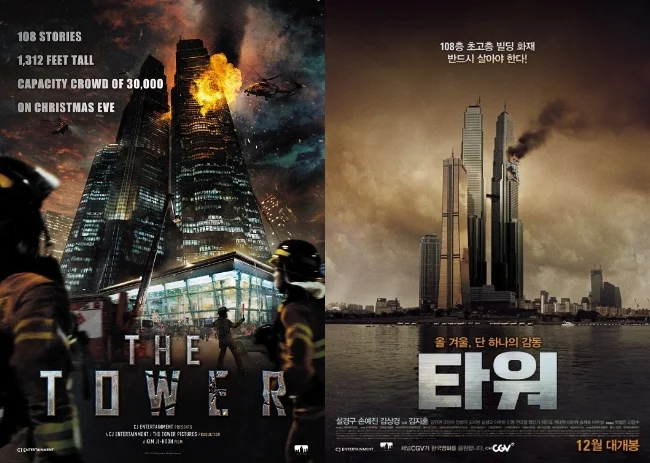
The Tower (original title: Tae-wang san-ho) is a South Korean disaster film directed by Kim Ji-hoon and released in 2012. The movie is set in a 120-story skyscraper in Seoul, where a fire breaks out during a New Year’s Eve celebration, trapping hundreds of residents and partygoers on the upper floors. The film follows a firefighter, Lee Dae-ho (played by Sol Kyung-gu), as he battles the flames, rescues survivors, and uncovers a conspiracy behind the disaster. With its high-octane action sequences, emotional storytelling, and stunning visual effects, The Tower delivers a visceral experience that keeps viewers on the edge of their seats.
The film’s premise may seem familiar to fans of disaster movies like Die Hard or The Towering Inferno, but The Tower distinguishes itself through its cultural context, realistic portrayal of emergency response, and the human drama at its core. The skyscraper itself serves as a character, symbolizing both human ambition and the fragility of modern infrastructure.
Plot Summary and Key Themes
The story begins with a lavish New Year’s Eve party in the world’s tallest skyscraper, the Infinity Tower, located in Seoul. As the clock strikes midnight, a fire breaks out on the 120th floor, rapidly spreading due to faulty fire safety measures and a deliberate act of sabotage. The film’s protagonist, Lee Dae-ho, is a firefighter who happens to be at the party with his family. When the fire erupts, he is separated from his wife and daughter, driving him to risk everything to save them and others trapped in the tower.
One of the film’s central themes is the failure of corporate greed and negligence. The tower’s management, led by the villainous Chairman Jo (played by Kim Sang-ho), prioritizes profit over safety, cutting corners on fire prevention systems and ignoring warnings. This theme resonates with real-world concerns about building regulations and corporate accountability, adding a layer of social commentary to the disaster narrative.
Another key theme is the power of human resilience and sacrifice. The film highlights the bravery of firefighters, police officers, and ordinary citizens who put their lives on the line to help others. The emotional core of the story lies in the relationships between characters, particularly Dae-ho’s determination to reunite with his family amidst the chaos. These themes elevate The Tower beyond a typical action movie, making it a poignant exploration of heroism and loss.
Production and Visual Effects
The Tower is renowned for its impressive production design and special effects, which were groundbreaking for a South Korean film at the time. The Infinity Tower was a massive set built in a studio, designed to look like a real skyscraper with 120 floors. The set included detailed interiors, such as apartments, offices, and a grand ballroom, all meticulously crafted to enhance the film’s realism. The tower’s exterior was enhanced with CGI to create the illusion of its towering height and the fire’s destructive power.
The fire scenes were particularly challenging to film, requiring extensive coordination between stunt performers, pyrotechnicians, and visual effects teams. The film’s action sequences are choreographed with precision, balancing realism with cinematic flair. For example, the scene where Dae-ho rappels down the side of the tower to rescue survivors is both thrilling and technically impressive, showcasing the filmmakers’ commitment to authenticity.
The cinematography of The Tower plays a crucial role in immersing the audience in the disaster. The use of wide-angle shots to capture the tower’s scale, combined with tight close-ups of characters’ faces during moments of tension, creates a sense of claustrophobia and urgency. The film’s color palette—dominated by fiery oranges and dark shadows—further emphasizes the chaos and danger unfolding within the tower.
Character Analysis and Performances
The characters in The Tower are as compelling as the action itself, each serving a unique role in the narrative’s emotional and thematic depth. Sol Kyung-gu delivers a standout performance as Lee Dae-ho, portraying a man torn between his duty as a firefighter and his love for his family. His physicality and emotional range make Dae-ho a relatable and inspiring protagonist. The supporting cast, including Son Ye-jin as Dae-ho’s wife and Kim Sang-ho as the villainous Chairman Jo, add layers of complexity to the story.
Dae-ho’s wife, Seo-yoon (played by Son Ye-jin), is a strong and resourceful character who takes charge of evacuating their daughter and other survivors when the fire breaks out. Her journey from a worried mother to a leader in the crisis highlights the film’s emphasis on female agency in disaster scenarios. Meanwhile, Chairman Jo’s greed and cowardice serve as a stark contrast to Dae-ho’s selflessness, reinforcing the film’s critique of corporate irresponsibility.
The interactions between characters are a highlight of the film, particularly the scenes where strangers come together to survive. These moments underscore the film’s message that humanity can prevail even in the face of overwhelming adversity. The dialogue is sharp and natural, avoiding clichés while still delivering powerful emotional beats.
Cultural Impact and Reception
Upon its release, The Tower was a commercial and critical success, becoming one of the highest-grossing Korean films of 2012. It was praised for its innovative approach to the disaster genre, blending Hollywood-style action with Korean sensibilities. Critics lauded the film’s realistic portrayal of emergency response, which was a departure from the more fantastical disaster movies of the time.
The film’s cultural impact extended beyond South Korea, gaining international recognition and paving the way for more Korean disaster films. It also sparked discussions about building safety regulations and the ethical responsibilities of corporations, themes that remain relevant today. The Tower’s success demonstrated the global appeal of Korean cinema and its ability to tackle universal themes with local flavor.
Audiences appreciated the film’s balance of spectacle and substance, with many noting that it was both entertaining and thought-provoking. The emotional resonance of the story, combined with its thrilling action sequences, made it a favorite among fans of the genre. Over the years, The Tower has maintained its reputation as a modern classic of Korean disaster cinema.
Comparisons to Other Disaster Films
The Tower shares similarities with other disaster films but carves out its own niche through its unique setting and cultural perspective. Unlike The Towering Inferno (1974), which focuses on a group of wealthy individuals trapped in a burning skyscraper, The Tower emphasizes the collective struggle of ordinary people from diverse backgrounds. The film’s South Korean setting also allows it to explore themes of national identity and resilience, which are less prominent in Western disaster movies.
Compared to more recent disaster films like Skyscraper (2018), The Tower stands out for its grittier, more realistic approach. While Skyscraper leans into over-the-top action and a single heroic protagonist, The Tower focuses on the systemic failures that lead to disaster and the collaborative efforts to mitigate it. This grounded approach makes The Tower feel more urgent and relevant, particularly in an era of increasing concerns about urban safety and climate change.
The film’s pacing is another distinguishing feature. While many disaster movies rush from one explosion to the next, The Tower takes its time to develop characters and build tension. This deliberate approach allows the audience to invest emotionally in the story, making the eventual payoff even more satisfying.
Why The Tower Is a Must-Watch
The Tower is more than just a disaster movie—it’s a masterclass in storytelling, action, and thematic depth. Its realistic portrayal of a skyscraper fire, combined with its emotional core and social commentary, sets it apart from other films in the genre. Whether you’re drawn to the thrilling action sequences, the compelling characters, or the film’s thought-provoking themes, The Tower offers something for every viewer.
For fans of disaster cinema, The Tower is a benchmark for the genre, demonstrating how to balance spectacle with substance. For those new to Korean cinema, it serves as an excellent introduction to the country’s filmmaking prowess. And for anyone who enjoys a gripping, emotionally resonant story, The Tower is a film that will leave a lasting impression.
Conclusion
The Tower (2012) is a standout film that combines high-stakes action, emotional depth, and social commentary into a cohesive and unforgettable experience. Its realistic portrayal of a skyscraper fire, combined with its compelling characters and stunning visuals, makes it a must-watch for fans of the disaster genre and cinema enthusiasts alike. Whether you’re watching it for the first time or revisiting it, The Tower offers a thrilling and thought-provoking journey that lingers long after the credits roll.
As urban landscapes continue to grow and the risks of disasters like fires and structural failures become more pressing, The Tower serves as both a cautionary tale and a testament to human resilience. It reminds us that in the face of adversity, it’s not just the buildings that define us—it’s the people who rise to the challenge and refuse to give up.
FAQ
What is the main plot of The Tower?
The Tower follows a firefighter, Lee Dae-ho, as he tries to rescue his family and others trapped in a skyscraper during a catastrophic fire on New Year’s Eve.
What themes are explored in The Tower?
The film explores themes such as corporate greed, human resilience, and the emotional impact of disaster.
How was The Tower received by audiences?
The Tower was a commercial and critical success, praised for its innovative approach to the disaster genre.

Leave a Reply