Short Answer
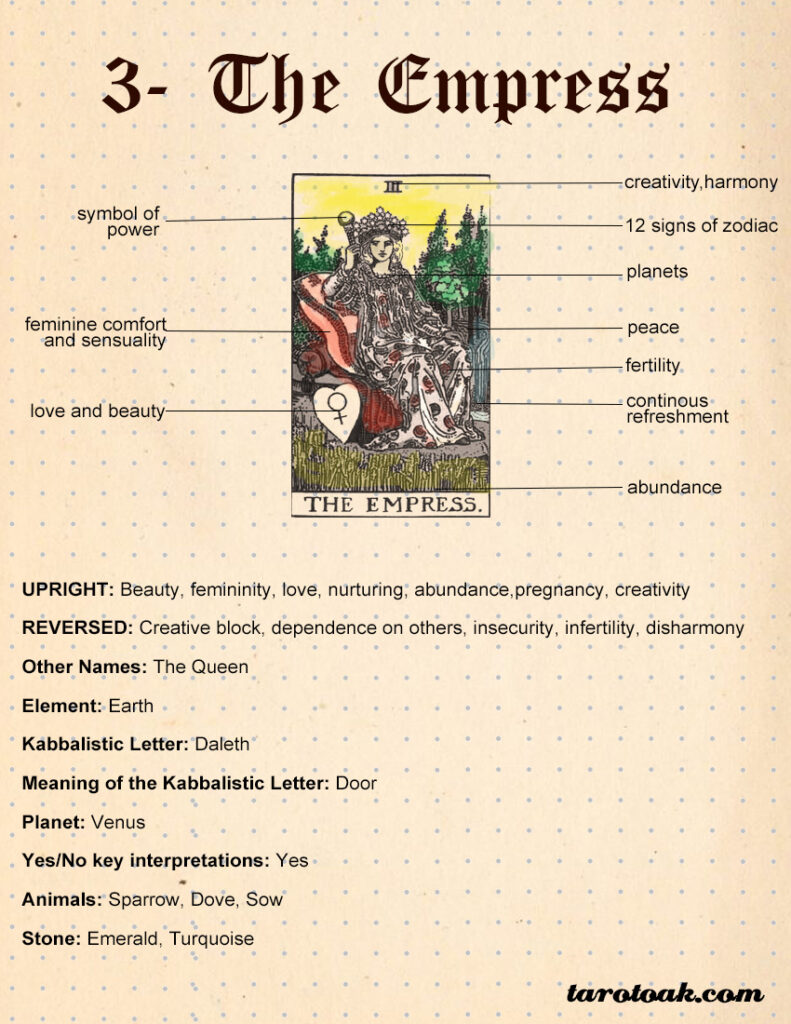
The Empress tarot card, emblematic of femininity, fertility, and abundance, holds profound symbolism that resonates with Christian values when viewed through a biblical lens. Its imagery often captivates through the depiction of a nurturing figure, surrounded by nature, embodying the Divine Feminine. This card invites a deeper exploration of its meaning, especially considering the Christian interpretation, where themes of compassion, creation, and sustenance are paramount.
Within Christian theology, the Empress can be likened to the notion of Mother Mary, the personification of grace and maternal love. As the mother of Jesus, her archetype symbolizes purity, nurturing, and the embodiment of divine love. The motherly aspect of the Empress aligns closely with the virtues of nurturing and unconditional support found within Christian teachings. This alignment offers a fertile ground for understanding the essence of The Empress in a faith-based context.
The imagery of the Empress typically features lush landscapes—the verdant greenery, blossoming flowers, and flowing waters are not mere decor but serve as metaphoric allusions to biblical principles of creation and divine abundance. In Christianity, God is the ultimate creator, a theme emphasized in Genesis, where the earth is described as “without form and void” before God’s creative hand brings it to life. Similarly, the Empress signifies the importance of creation, inviting reflection on how divine inspiration manifests in the physical world.
Furthermore, the card’s association with fertility transcends mere reproduction; it speaks to the fertility of the spirit and soul. In Christian doctrine, the idea of being fruitful and multiplying is not just about progeny but extends to the cultivation of one’s gifts and talents. Just as the Empress nurtures the land to yield a bountiful harvest, Christians are called to nurture their God-given abilities, actively contributing to the enrichment of their communities and the world at large.
The Empress also embodies the concept of abundance, reminiscent of the biblical promise of provision. “My God will meet all your needs according to the riches of his glory in Christ Jesus,” Philippians 4:19 highlights this assurance of divine care. The Empress card underscores this promise, suggesting that with a heart open to love and gratitude, one can attract and manifest blessings. Her presence is a reminder that abundance often flows from embracing the divine within ourselves and in the community around us.
Moreover, the card’s gentle demeanor encourages reflection on the Christian principle of love and kindness. Christian teachings frequently emphasize the importance of loving one another as a reflection of Christ’s love for humanity. In this regard, the Empress serves as a model of compassion and care. Her nurturing energy inspires individuals to foster relationships marked by empathy and support, mirroring the familial bond that is central to Christianity.
The paradoxical nature of nurturing is also notable when considering the Empress. While she embodies softness and warmth, she simultaneously conveys strength and resilience. This duality can be closely compared to the Christian understanding of strength in vulnerability. Jesus’ teachings promoted humility, often presenting the strong as those who serve others. The Empress encapsulates this concept, reminding believers that true power lies in compassion and the generous flow of love.
Another dimension to explore is the Empress’s relationship with the natural world. Christianity celebrates creation as a manifestation of God’s glory. The card’s integration of nature encourages a spiritual appreciation for the planet and underscores humanity’s caretaking duty. The concept of stewardship is fundamental in Christian belief, advocating for respectful treatment of the environment, which aligns seamlessly with the Empress’s rich symbolism. By honoring the earth, individuals fulfill a divine calling to nurture God’s creation—a message echoed in the heart of the Empress.
Additionally, the card serves as a call to pursue creativity and self-expression, resonating with the idea that humans, made in the image of God, are also creators. The Empress inspires believers to explore their artistic side, engage in creative endeavors, and share their unique gifts. A theology that embraces creativity asserts that humans, much like the Divine Creator, can bring forth beauty and inspiration into the world, thus extending the cycle of life, beauty, and divine wonder.
Symbolically, the Empress teaches believers about the cyclical nature of life—birth, death, and rebirth—which mirrors the Christian notion of resurrection. Just as the Empress fosters growth and new beginnings, Christianity celebrates the renewal of life through Christ’s resurrection. This cyclical concept can instill hope in individuals facing life’s trials, reminding them that every end is but a prelude to a new beginning, echoing the divine narrative that permeates Christian faith.
The Empress card, when viewed through a Christian lens, captivates with its profound metaphors of love, nurturing, and creation. It calls upon believers to foster their relationships, embrace creativity, and honor the sacredness of the earth. As an embodiment of divine maternal energy, the Empress empowers individuals to embody compassion and generosity, enriching their faith journey through the acknowledgment of life’s abundant blessings. In this way, the Empress stands not only as a symbol of femininity but as a poignant reminder of the interconnectedness of life and the divine, urging all to embrace the call to love and nurture in accordance with Christ’s teachings. Through its intricate layers of meaning, the Empress continues to inspire and illuminate the path toward a more abundant and compassionate existence.
FAQ
What does The Empress Tarot card symbolize?
The Empress Tarot card symbolizes femininity, fertility, abundance, and nurturing, often reflecting divine love and compassion.
How is The Empress related to Christian teachings?
The Empress is associated with Christian values of nurturing and unconditional support, often likened to Mother Mary.

Leave a Reply