Short Answer
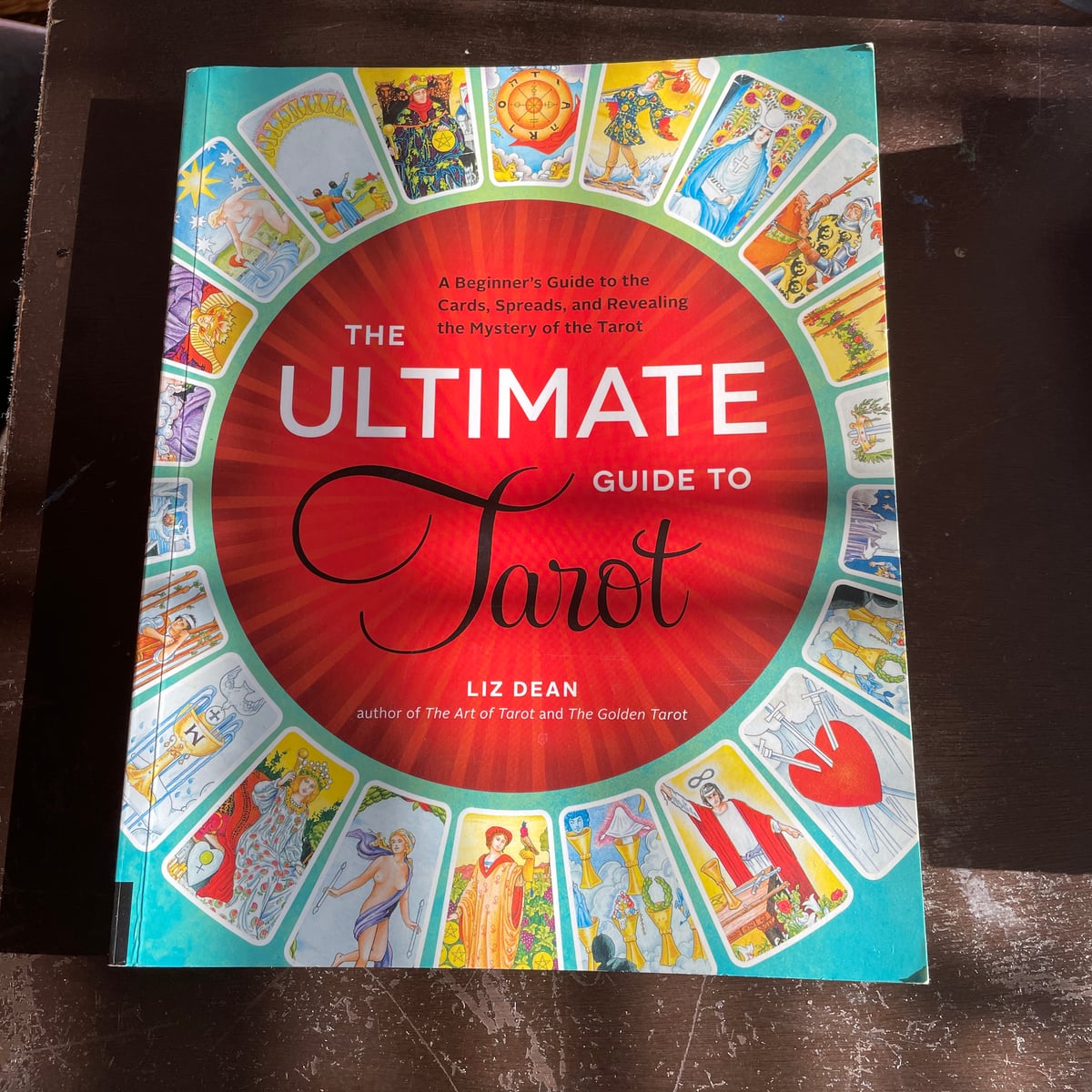
Have you ever shuffled a deck of tarot cards, only to stare blankly at the mysterious images and wonder, “What on earth do these mean?” If so, you’re not alone. Tarot can feel overwhelming at first—like trying to decipher an ancient language without a guidebook. But what if you had a single, trustworthy resource that breaks down every card, its symbolism, and how to use it in readings? That’s exactly what The Ultimate Guide to Tarot Card Meanings promises to be. In this guide, we’ll explore why this book stands out, what it covers, and how it can transform your tarot practice from confusing to confident.
Why You Need a Guide to Tarot Card Meanings
Tarot decks are rich with imagery, each card carrying layers of meaning that can shift depending on context. Without a solid foundation, it’s easy to misinterpret symbols or feel lost in a sea of possibilities. A dedicated guidebook serves as your compass, helping you navigate the complexities of each card—from the Fool’s journey to the complexities of the Tower’s upheaval. Whether you’re a beginner dipping your toes into divination or an experienced reader looking to refine your interpretations, a comprehensive guide ensures you’re not guessing. It bridges the gap between intuition and knowledge, allowing you to trust your insights while grounding them in tradition.
The Structure of the Ultimate Guide: What to Expect
This book isn’t just a dry list of definitions; it’s a roadmap to understanding tarot on a deeper level. Here’s what you’ll typically find inside:
The Major Arcana Explained
The Major Arcana represents life’s big themes—birth, love, challenges, and transformation. Each card, from The Magician to The World, is unpacked with its traditional meanings, reversed interpretations, and symbolic imagery. For example, The High Priestess isn’t just about intuition; she’s a reminder to trust your inner voice even when logic fails. The guide dives into the numerology, astrology, and elemental associations tied to each card, giving you a holistic view of their significance.
Minor Arcana: The Nitty-Gritty Details
The Minor Arcana might seem less glamorous, but it’s where the magic of everyday life unfolds. This section breaks down the four suits—Wands, Cups, Swords, and Pentacles—along with their court cards (Page, Knight, Queen, King). Each card is analyzed for its upright and reversed meanings, as well as how it interacts with other cards in a spread. For instance, the Three of Cups isn’t just about celebration; it can also hint at gossip or overindulgence. The guide ensures you don’t overlook these nuances, making your readings more precise and insightful.
Practical Tips for Readings
Theory is useless without practice, so the best guides include actionable advice. You’ll learn how to:
- Pull a single-card draw for daily guidance and how to interpret it in context.
- Use spreads like the Celtic Cross or a simple three-card layout to explore past, present, and future.
- Blend intuition with tradition—knowing when to rely on guidebook meanings and when to trust your gut.
- Avoid common pitfalls, like over-relying on reversed cards or misinterpreting symbols.
These tips turn abstract knowledge into a tangible skill, helping you conduct readings with clarity and confidence.
How This Guide Stands Out from the Rest
Not all tarot guides are created equal. What makes The Ultimate Guide to Tarot Card Meanings special? Here’s what sets it apart:
Clear, Concise Language
Jargon-free explanations make complex concepts accessible. Instead of dense paragraphs, you’ll find bullet points, bolded keywords, and real-life examples that bring each card to life. Whether you’re a visual learner or prefer reading straight through, the format adapts to your style.
Visual Aids and Correspondences
Many guides include images of the cards or diagrams linking them to astrology, numerology, and elemental energies. For example, seeing how The Empress aligns with Venus and the element of Earth can deepen your understanding of her nurturing energy. These visual tools act as shortcuts to memorization and intuition.
Reversed Card Guidance
Reversed cards can be confusing—are they blockages, internal struggles, or something else entirely? This guide demystifies them by offering multiple interpretations, from traditional to modern takes. It encourages you to ask, “What is this card trying to tell me in this context?” rather than forcing a one-size-fits-all answer.
Common Challenges and How to Overcome Them
Even with the best guide, tarot can feel daunting. Here are a few hurdles you might face—and how to leap over them:
“I Keep Forgetting the Meanings!”
Memory isn’t built in a day. Try these tricks:
- Create flashcards with the card’s name on one side and its key meanings on the other.
- Draw a card daily and journal about its message to reinforce your learning.
- Use mnemonics, like associating The Chariot with determination (imagine a chariot racing forward).
“My Readings Feel Too Vague”
Vagueness often stems from relying too much on guidebook definitions without personalizing them. Ask yourself:
- What emotions does this card evoke for me?
- How does this card’s message relate to my current situation?
- Are there symbols in the card that resonate with my life right now?
Your intuition is your most powerful tool—use the guide as a starting point, not a crutch.
“I’m Overwhelmed by All the Information”
Start small. Focus on one suit or a handful of Major Arcana cards at a time. Mastery comes from repetition, not cramming. As you grow more comfortable, the rest will fall into place.
Conclusion
Tarot is more than a deck of cards—it’s a mirror to your soul, a tool for self-discovery, and a guide through life’s twists and turns. The Ultimate Guide to Tarot Card Meanings isn’t just another book on your shelf; it’s your companion on this journey. By breaking down each card’s symbolism, offering practical advice, and helping you blend tradition with intuition, it transforms tarot from a mystery into a language you can speak fluently.
Whether you’re seeking clarity, inspiration, or a deeper connection to your inner wisdom, this guide equips you with everything you need to read tarot with confidence. So, shuffle your deck, pull a card, and let the adventure begin. The cards are waiting—and now, so are you.
FAQ
What are the Major Arcana cards?
The Major Arcana cards represent significant life themes and experiences, including cards like The Fool, The Magician, and The World.
How do I interpret reversed tarot cards?
Reversed tarot cards can signify blockages, internal struggles, or alternative meanings, and should be interpreted based on context.
What is a tarot spread?
A tarot spread is a layout of cards drawn for a reading, helping to explore specific questions or aspects of life.
Leave a Reply