Short Answer
Welcome to a deep dive into The Reader Tarot—a card that doesn’t just predict the future but reflects back your own thoughts, emotions, and hidden truths. If you’ve ever pulled a tarot card and felt an uncanny sense of recognition, as if the card was speaking directly to you, you’re not alone. This guide explores why The Reader Tarot holds such a powerful fascination, how it works, and what deeper meanings lie beneath its surface. Whether you’re a seasoned tarot reader or a curious newcomer, you’ll discover the layers of symbolism, psychological insights, and practical applications that make this card so compelling.
The Reader Tarot: More Than Just a Card
The Reader Tarot isn’t just another card in the deck—it’s a mirror. Unlike traditional tarot cards that offer guidance or warnings, The Reader Tarot seems to read you back, reflecting your own subconscious thoughts, fears, or desires. This phenomenon is why so many people feel an immediate connection to it. When you pull this card, it’s as if the universe is holding up a sign that says, “This is about you.” The fascination isn’t just in the card’s imagery but in the way it seems to bypass the rational mind and speak directly to the soul.
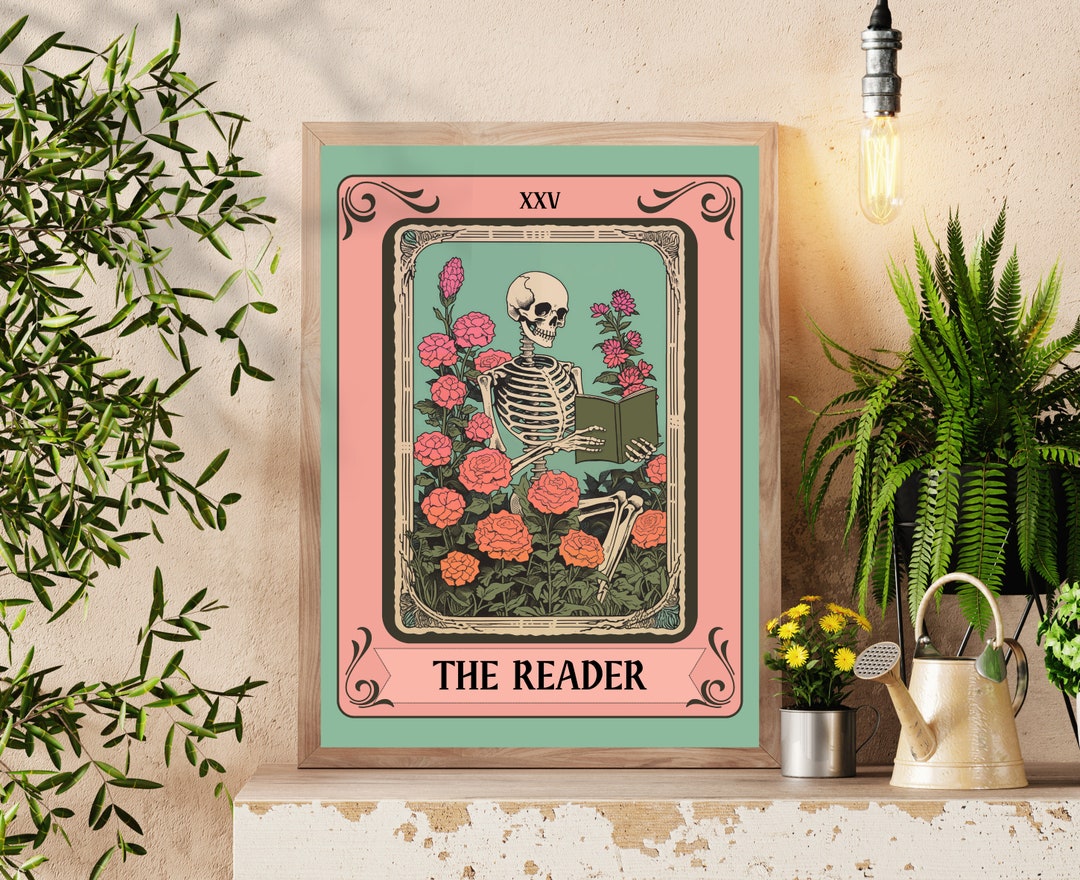
Consider the imagery often associated with The Reader Tarot: a figure engrossed in a book, a skeleton holding a scroll, or a botanical scene with hidden symbols. Each element is designed to evoke introspection. The book, for instance, isn’t just a prop—it’s a symbol of knowledge, secrets, and the act of uncovering truths. When you see this card, it’s a nudge to look inward, to question what you’re reading into your own life, and to recognize that the answers might already be within you.
Why Does The Reader Tarot Feel So Personal?
One of the most common observations about The Reader Tarot is its eerie personal resonance. Pulling this card often feels like receiving a message tailored specifically to your current struggles or questions. This isn’t a coincidence—it’s a result of the card’s design and the way our brains process symbols. The Reader Tarot taps into the Baader-Meinhof phenomenon, where once you notice something, you start seeing it everywhere. In this case, the card’s themes of reflection and self-discovery make it feel like it’s speaking directly to your life.
Psychologically, The Reader Tarot aligns with the concept of confirmation bias. When you pull this card, you’re more likely to interpret it in a way that confirms your existing beliefs or concerns. For example, if you’re questioning a relationship, The Reader Tarot might feel like it’s validating your doubts. This isn’t manipulation—it’s the power of symbolism to resonate with our deepest thoughts. The card becomes a tool for self-reflection, helping you articulate feelings you might not have consciously acknowledged.
The Symbolism Behind The Reader Tarot
The imagery of The Reader Tarot is rich with meaning, and each element plays a role in its ability to “read” you back. Let’s break down some of the most common symbols and their deeper implications:
- Books: Often depicted as open or closed, books represent knowledge, secrets, and the act of uncovering truths. In The Reader Tarot, a book might symbolize the need to delve deeper into your own psyche or to seek out hidden information in your life.
- Skeletons: A skeleton holding a scroll or book is a powerful image of mortality and wisdom. It suggests that the answers you seek might lie in confronting uncomfortable truths or embracing the inevitability of change.
- Botanical Elements: Flowers, leaves, or vines often represent growth, cycles, and the natural flow of life. In The Reader Tarot, these elements might indicate a period of personal development or the need to nurture certain aspects of your life.
- Mirrors: Some versions of The Reader Tarot feature mirrors, which amplify the card’s theme of self-reflection. A mirror isn’t just a tool for seeing your physical appearance—it’s a symbol of self-awareness and the recognition of your own flaws and strengths.
These symbols work together to create a card that feels like a conversation between you and your higher self. The Reader Tarot doesn’t just tell you what to do—it invites you to explore why you’re asking the question in the first place.
How to Use The Reader Tarot for Self-Reflection
The Reader Tarot isn’t just a tool for divination—it’s a guide for personal growth. Here’s how you can use it to gain deeper insights:
- Pull the Card Intentionally: Instead of shuffling the deck randomly, focus on a specific question or area of your life. Ask yourself, “What do I need to reflect on right now?” Then pull a single card. The Reader Tarot will often highlight the answer you’re already subconsciously seeking.
- Journal Your Reactions: Write down your immediate thoughts when you see the card. Do certain symbols stand out? Do you feel a sense of recognition or discomfort? Your reactions are clues to what the card is trying to tell you.
- Explore the Reverse: If The Reader Tarot appears reversed, it might indicate resistance to self-reflection or avoidance of a difficult truth. Ask yourself: What am I not seeing? What am I afraid to confront?
- Combine with Other Cards: The Reader Tarot is powerful on its own, but pairing it with other cards can provide context. For example, if it appears alongside The Hermit (a card of introspection), it might suggest a need for solitude and deep thought.
Remember, The Reader Tarot isn’t about predicting the future—it’s about understanding the present. The more you use it as a tool for self-awareness, the more it will reveal about your inner world.
Common Misconceptions About The Reader Tarot
Despite its popularity, The Reader Tarot is often misunderstood. Here are a few misconceptions to clarify:
- It’s Only for “Psychic” People: You don’t need to be psychic to use The Reader Tarot. Its power lies in its ability to resonate with your own thoughts and emotions. Anyone can use it as a tool for introspection.
- It’s Always Negative: While The Reader Tarot can highlight uncomfortable truths, it’s not inherently negative. It’s a card of awareness, which can lead to growth and positive change.
- It’s a “Magic” Card: The Reader Tarot isn’t magic—it’s a psychological tool. Its effectiveness comes from your willingness to engage with it and reflect on its messages.
Conclusion
The Reader Tarot’s enduring fascination lies in its ability to make us feel seen. In a world where we’re constantly bombarded with external noise, this card offers a moment of quiet reflection—a chance to pause and ask ourselves, “What am I really reading here?” Whether it appears in a tarot spread, a piece of art, or a sublimation design, The Reader Tarot serves as a reminder that the answers we seek are often within us, waiting to be uncovered.
So the next time you encounter The Reader Tarot, don’t just see it as a card—see it as an invitation. An invitation to look deeper, to question more, and to recognize that the most profound readings are the ones we give ourselves.
FAQ
What is The Reader Tarot?
The Reader Tarot is a card in the tarot deck that reflects back a person’s thoughts and emotions, promoting self-awareness and introspection.
How can I use The Reader Tarot for self-reflection?
You can pull the card intentionally, journal your reactions, explore its reversed meaning, and combine it with other cards for deeper insights.
Is The Reader Tarot only for psychic individuals?
No, anyone can use The Reader Tarot as a tool for introspection, regardless of psychic abilities.
Does The Reader Tarot always convey negative messages?
No, while it can highlight uncomfortable truths, it is ultimately a card of awareness that can lead to personal growth.
Leave a Reply