Short Answer
This guide explores the fascinating connection between wands and the waning moon, two powerful symbols that have captivated human imagination for centuries. You’ll discover their historical significance, symbolic meanings, and how they intertwine in mythology, spirituality, and modern practices. By the end, you’ll understand why these elements continue to hold such enduring fascination across cultures and traditions.
The Waning Moon: A Symbol of Release and Transformation
The waning moon, the phase between the full moon and the new moon, represents a period of shedding, reflection, and renewal. As the moon’s light diminishes, it mirrors the natural cycles of life—letting go of what no longer serves us, releasing old habits, and preparing for new beginnings. This phase is deeply associated with introspection, closure, and the quiet power of transformation. In many traditions, the waning moon is a time to cleanse, forgive, and release emotional burdens, making it a potent period for rituals and personal growth.
Visually, the waning moon appears as a crescent or gibbous shape, symbolizing the gradual retreat of light. This imagery has inspired countless artistic and spiritual representations, from ancient cave paintings to modern digital art. The moon’s phases have long been used as a metaphor for human experiences—birth, growth, decline, and rebirth—making the waning moon a universal symbol of resilience and adaptability.

Wands: Tools of Power, Intention, and Connection
Wands are among the most iconic symbols in magical and spiritual practices, often representing willpower, direction, and the ability to manifest desires. Historically, wands have been used in rituals, ceremonies, and as symbols of authority across various cultures. In European folklore, wands were wielded by witches, sorcerers, and healers to channel energy, cast spells, or communicate with the divine. Their elongated shape and pointed tip are believed to focus intention, acting as a conduit between the physical and spiritual realms.
The material of a wand also carries significance. Wooden wands, often carved from specific trees like oak, willow, or rowan, are linked to earth energy and stability. Metal wands, such as those made from silver or iron, are associated with the moon, intuition, and psychic abilities. The choice of material can amplify the wand’s purpose, whether for protection, healing, or divination. In modern witchcraft, wands are frequently used in spellwork to direct energy, mark sacred space, or invoke deities, blending ancient traditions with contemporary practices.
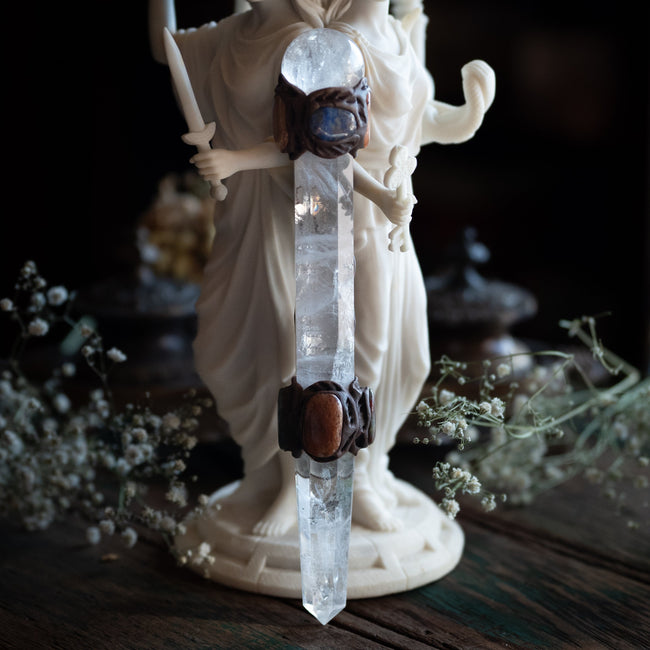
The Synergy Between Wands and the Waning Moon
The relationship between wands and the waning moon is a dynamic interplay of intention and release. During the waning moon, wands can be used to symbolically “cut away” negativity, break old patterns, or sever ties with stagnant energies. This phase is ideal for banishing rituals, where a wand is used to draw a symbolic line between what must end and what is yet to come. For example, a practitioner might trace a circle with their wand while reciting an incantation to release a toxic relationship or a self-limiting belief.
Conversely, the waning moon’s energy can enhance the wand’s power to manifest change. By aligning with the moon’s natural rhythm, the wand becomes a tool for not just destruction but also for planting seeds of intention. This duality—letting go while preparing for new growth—highlights the wand’s versatility. In some traditions, wands are consecrated under the waning moon to absorb its transformative energy, making them more effective for future workings. The moon’s reflective light also serves as a reminder to infuse the wand with personal will, ensuring that its use is purposeful and aligned with higher goals.
Artistically, this synergy is often depicted in media, where characters wield wands during pivotal moments of change. The waning moon’s eerie glow and the wand’s sharp silhouette create a visual language of power and transition, resonating with audiences who seek meaning in these symbols. Whether in fantasy literature, tarot imagery, or ritual practices, the combination of the two evokes a sense of controlled chaos—a necessary step before renewal.
Cultural and Historical Perspectives
Across history, wands and the waning moon have appeared in diverse cultural narratives, each adding layers to their symbolism. In ancient Egypt, the was scepter—a wand-like object—was a symbol of dominion and divine authority, often held by gods and pharaohs. The waning moon, meanwhile, was linked to the goddess Isis, who was said to guide souls through the underworld during this phase. Similarly, in Norse mythology, the wand (or völr) was a tool of the seeresses, or völvas, who used it to foretell the future and commune with spirits. The waning moon’s association with endings made it a fitting backdrop for prophecies and final judgments.
In Celtic traditions, wands were crafted from sacred woods and used in druidic rituals to mark the turning of seasons, including the waning periods leading to Samhain, the Celtic New Year. The waning moon’s energy was believed to thin the veil between worlds, allowing for communication with ancestors—a practice still observed in modern paganism. Meanwhile, in Eastern philosophies, the moon’s cycles are tied to the concept of wu wei (effortless action), where the waning phase teaches the value of surrender and trust in the natural order. These cross-cultural connections reveal a shared human fascination with cycles of loss and rebirth, embodied in the wand’s form and the moon’s phases.
Practical Applications: Using Wands During the Waning Moon
Incorporating wands into waning moon practices can deepen your connection to its transformative energy. Here are some practical ways to harness this synergy:
- Banishing Rituals: Use your wand to trace a banishing symbol (such as a pentagram or a downward-pointing triangle) while stating what you wish to release. Visualize the energy dissolving as the moon wanes.
- Cleansing Spaces: Walk through your home or sacred space with your wand, imagining it drawing out stagnant energy. You can also anoint the wand with cleansing oils like sage or rosemary before the ritual.
- Divination: The waning moon is a powerful time for scrying or tarot readings focused on closure. Hold your wand over your tools (crystal ball, cards, or runes) to amplify their clarity.
- Setting Intentions for Release: Write down what you’re letting go of on a piece of paper, then burn it (safely) while holding your wand above the flames. The wand acts as a conduit for your will.
- Charging Your Wand: Place your wand on a windowsill or outdoors where it can absorb the waning moon’s light. Recite a simple incantation or affirmation to infuse it with your intentions.
For best results, cleanse your wand regularly—especially after use—using smoke, moonlight, or saltwater. This ensures it remains a clear and potent tool for your practice.
Why These Symbols Continue to Fascinate Us
The enduring allure of wands and the waning moon lies in their ability to encapsulate the human experience of change. In a world that often glorifies constant growth and productivity, the waning moon reminds us that release is just as vital as creation. It teaches patience, trust in the unknown, and the beauty of impermanence. Meanwhile, the wand embodies our desire for agency—our need to shape our reality, even in the face of forces beyond our control.
This duality speaks to a deeper truth: transformation is not linear. It requires both destruction and construction, both surrender and will. The wand, in its simplicity, becomes a tangible representation of our inner power to direct these processes. Whether used in ritual, art, or personal reflection, these symbols offer a framework for understanding life’s inevitable cycles. They invite us to embrace the darkness not as an end, but as a necessary precursor to light.
Ultimately, the fascination with wands and the waning moon reflects our universal search for meaning in chaos. By engaging with these symbols, we tap into ancient wisdom while forging our own paths—proving that even in the darkest phases, there is magic to be found.
Conclusion
The connection between wands and the waning moon is more than a coincidence of imagery; it’s a reflection of timeless truths about power, release, and renewal. Whether you’re drawn to these symbols for spiritual practice, artistic inspiration, or personal growth, their resonance is undeniable. By understanding their histories, meanings, and practical applications, you can integrate their energy into your own journey—whether that means letting go of the past, setting bold intentions, or simply finding solace in the moon’s quiet glow.
As you explore this synergy further, remember that the wand and the waning moon are tools, but the real magic lies in how you choose to wield them. Let their lessons guide you through your own cycles of transformation, and trust that even in the darkest nights, the light is always waiting to return.
FAQ
What is the significance of the waning moon?
The waning moon symbolizes release, reflection, and transformation, making it a potent time for rituals focused on letting go.
How can wands be used during the waning moon?
Wands can be used for banishing rituals, cleansing spaces, and amplifying intentions for release during the waning moon phase.
Leave a Reply